We were honored to host an incredible lineup of pioneering keynote speakers at the 2026 Symposium. See you in 2027 with another outstanding speaker lineup!
Keynote Speakers

Noah Fahlgren, PhD
Dr. Noah Fahlgren is a prominent scientist who leads the data science facility at the Donald Danforth Plant Science Center, where his work spans the cutting-edge intersections of high-throughput phenotyping, computer vision, machine learning, genomics, and computational biology. His journey into plant science began during his time as an undergraduate researcher in Dr. Jim Carrington’s lab at Oregon State University, coinciding with the revolutionary emergence of high-throughput DNA sequencing. Today, at the Danforth Center, Dr. Fahlgren’s team focuses on building innovative computational tools designed to bridge different fields of expertise and empower scientists to solve complex big data challenges. Notably, he is the pioneer behind PlantCV, a widely recognized open-source image analysis software package that enables researchers worldwide to extract biologically meaningful data from hundreds of thousands of plant phenotyping images.

Ananth Kalyanaraman, PhD
Professor, Boeing Chair in Computer Science, WSU.
Dr. Ananth Kalyanaraman is the Director of the School of Electrical Engineering and Computer Science and the Boeing Chair of Computer Science at Washington State University. He serves as the lead PI and Director of the NSF-USDA NIFA AgAID AI Institute. Additionally, he holds a joint appointment at the Pacific Northwest National Laboratory (PNNL). He serves as affiliate faculty for the Molecular Plant Sciences Graduate Program and the Paul G. Allen School for Global Health. He earned his Ph.D. in Computer Engineering and an M.S. in Computer Science from Iowa State University, following his B.E. in Computer Science and Engineering from the Visvesvaraya National Institute of Technology. His research bridges the fields of parallel computing, graph analytics, and computational biology, with an emphasis on integrating data science, AI, and machine learning into practical, real-world applications. His work is centered on the development of scalable algorithms and software designed to analyze massive datasets, particularly within the domains of agriculture, plant sciences, and the broader life sciences.

Stephen Ficklin, PhD
Associate Professor and Chair of the Department of Horticulture, WSU.
Dr. Stephen Ficklin leads a computational dry lab at WSU dedicated to bridging the gap between advanced data science and agricultural systems. His research program focuses on the creation of software tools, computational approaches, and systems-level models to address both basic and applied biological hypotheses at the molecular level, with a heavy emphasis on transcriptomics, gene expression analysis, and the development of machine learning models that learn gene relationships from RNA-seq data. With a Ph.D. in Plant and Environmental Sciences from Clemson University, Dr. Ficklin’s expertise spans systems genetics, multiomic networks, whole-genome assembly, and the development of community biological databases using the Tripal software platform. His work uniquely embodies the intersection of biological systems and computational intelligence, making him a perfect fit to speak on how advanced informatics can decode complex plant traits and accelerate modern agricultural innovation.

Jia Dong, PhD
College of Agriculture and Life Sciences, Cornell University.
Dr. Jia Dong’s research sits at the cutting edge of agricultural innovation, combining bioengineering, synthetic biology, robotics, and artificial intelligence to boost crop yield and environmental resilience. A Faculty Fellow at the Cornell Atkinson Center for Sustainability, she focuses on uncovering the molecular mechanisms behind crop productivity and plant stress responses, and translating those discoveries into the development of resilient, sustainable crop varieties. Her work pioneers high-throughput automation by harnessing a robotic biofoundry to establish a rapid, automated Design-Build-Test-Learn (DBTL) engineering cycle. This scalable platform has successfully generated new crop varieties with enhanced oil accumulation and is being deployed to optimize yields, drought tolerance, and disease resilience across key food and energy crops, including sorghum, sugarcane, and tobacco. Most recently, her research focuses on integrating robotics and AI to drive high-throughput protein engineering in maize. Her expertise illustrates how the fusion of robotics and machine learning is breaking traditional bottlenecks to shape the next generation of scalable crop development.
Vylor (Corteva) Symposia Series Speaker
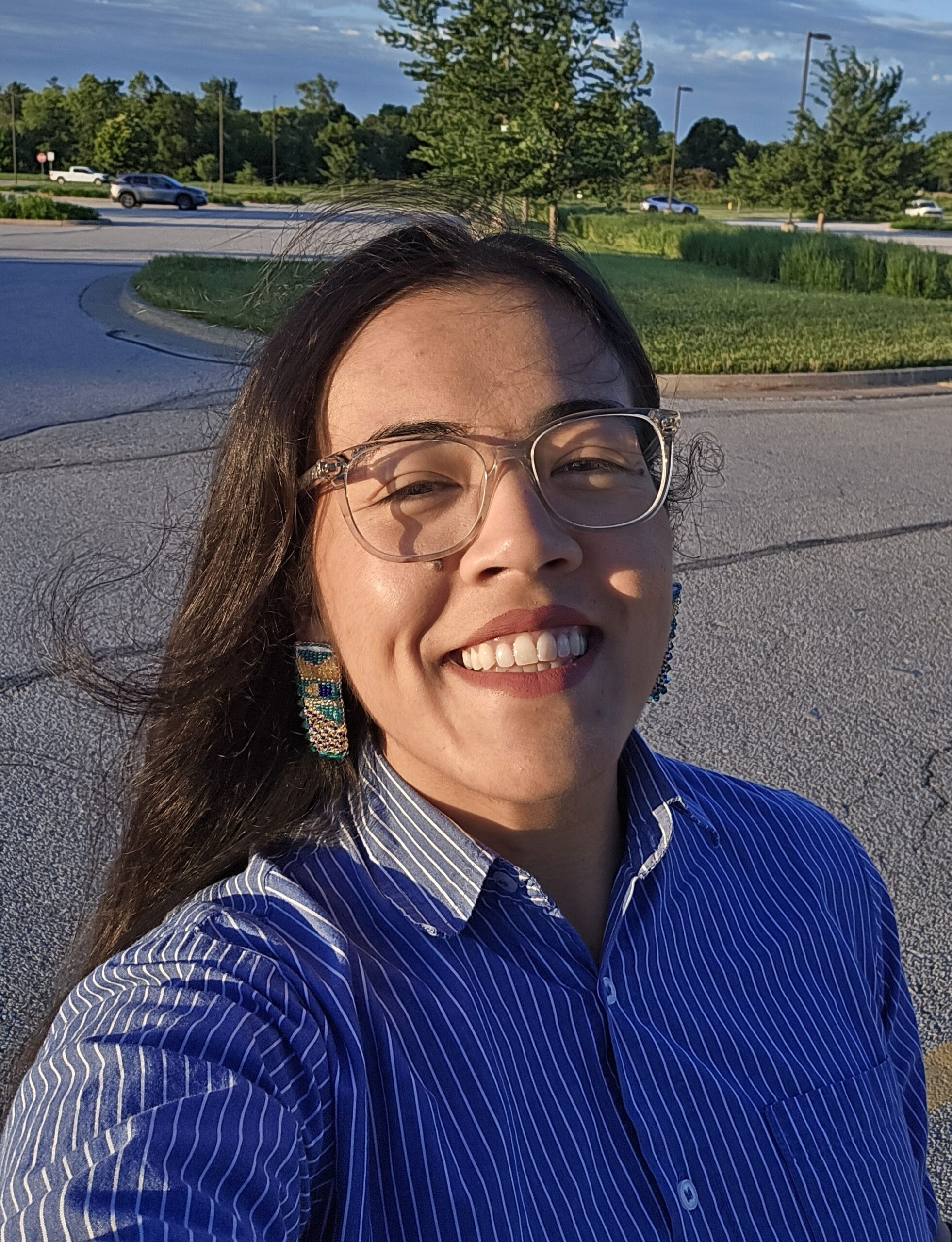
Merritt Khaipho-Burch, PhD
Dr. Merritt Khaipho-Burch is a Research Scientist in the Artificial Intelligence in Breeding group housed within Seed Product Development at Vylor. She got her B.S. in Biology from the University of Hawai’i at Hilo, an M.S. in Biological Sciences from South Dakota State University, and a Ph.D. in Plant Genetics from Cornell University with Ed Buckler. During her Ph.D., Merritt studied the impact of transposable elements on gene expression, the patterns of pleiotropy in maize, and the communication of yield-related gene editing results in high-impact journals. At Vylor, Merritt works in the space of genome-edited breeding to build computational target identification pipelines to nominate editing targets, test novel editing technologies, and strengthen the molecular predictive capabilities within the Gene Edited Breeding program using AI tools.
Student Speakers
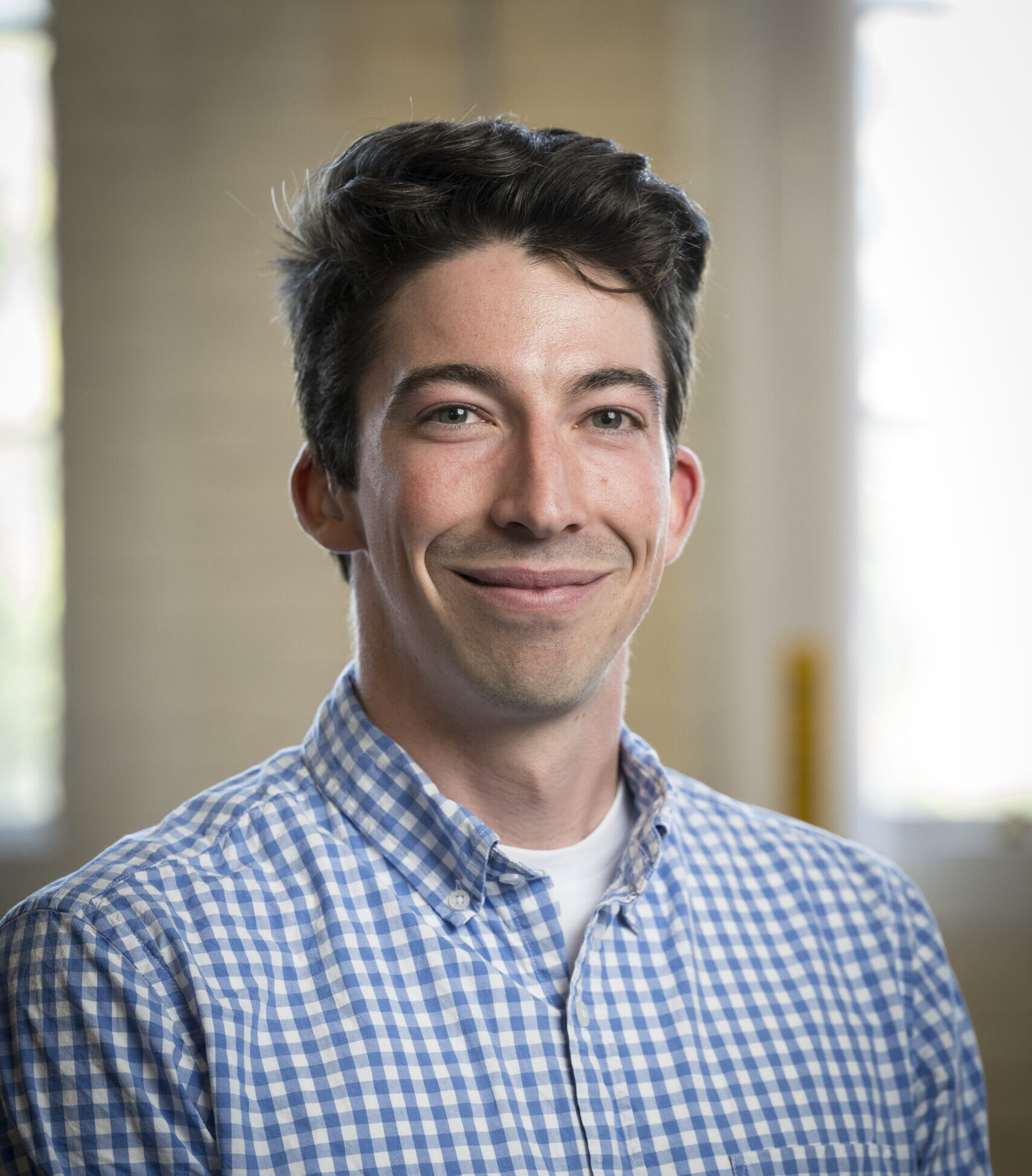
Will Solow
Talk title: “Hybrid Models for Grape Phenology Prediction and Transfer”
Will Solow is a fourth-year PhD candidate at Oregon State University, advised by Dr. Sandhya Saisubramanian in the Intelligent and Reliable Autonomous Systems (IRAS) lab. His research focuses on reinforcement learning and time series forecasting in data-limited settings with safety and reliability considerations. He has primarily been funded by the AgAID Institute and has worked on applying AI to crop modeling and decision support problems in agriculture. He has been recognized with an outstanding paper award at the Reinforcement Learning Conference.
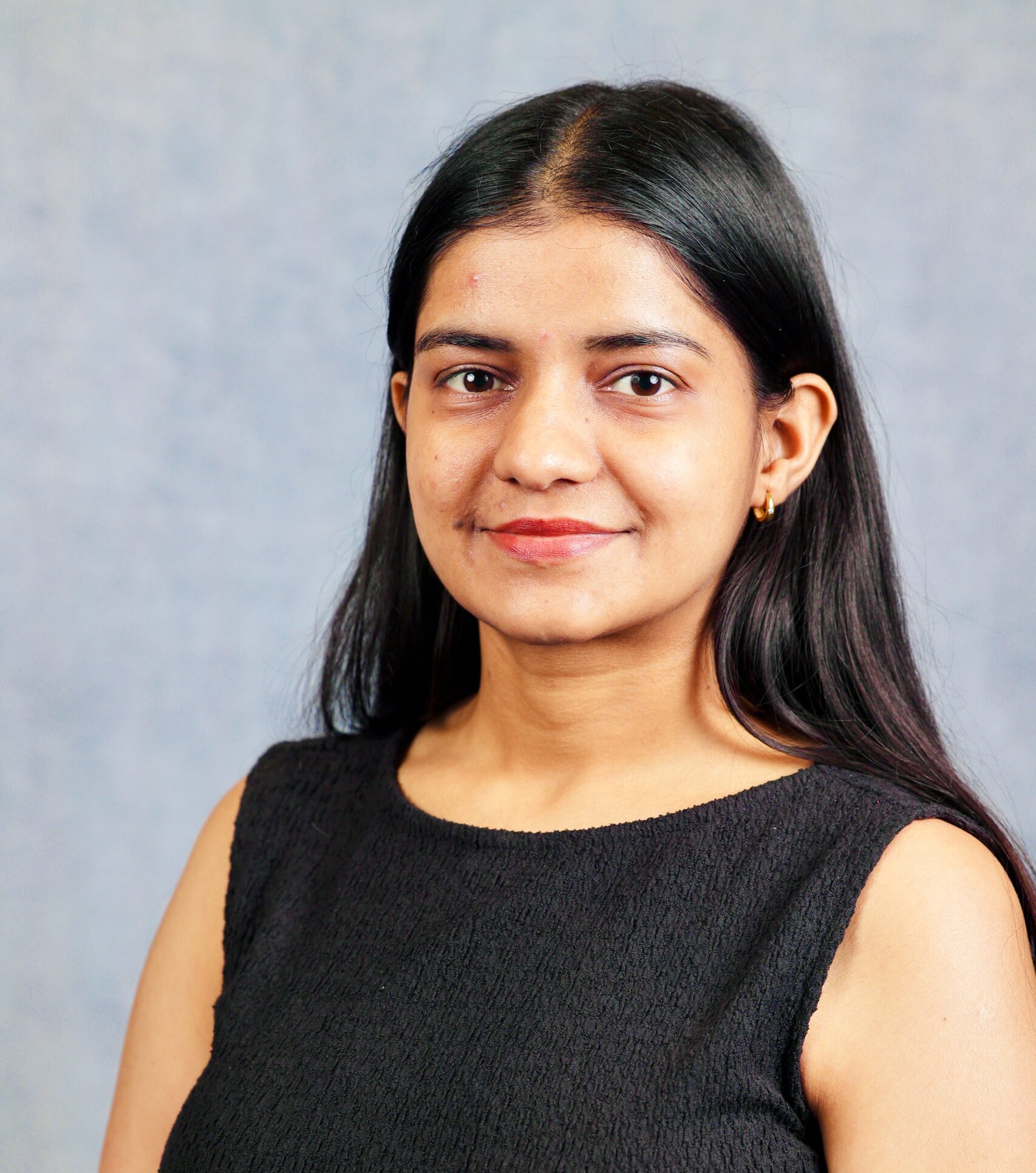
Neetika Punia
Talk title: “Molecular Interactions Among Sorghum bicolor Enzymes in the Biosynthetic Pathways”
Neetika is a fourth-year Ph.D. student in Chemistry, working in Dr. ChulHee Kang’s research group. She joined WSU in 2023 after completing her bachelor’s and master’s degrees in Chemistry in Haryana, a state in northern India near Delhi. Her research focuses on understanding how enzymes involved in the flavonoid and monolignol pathways interact with one another in sorghum and how these interactions contribute to the formation of enzyme complexes, or metabolons. She uses a combination of structural biology, biochemical, and biophysical techniques to study these interactions.