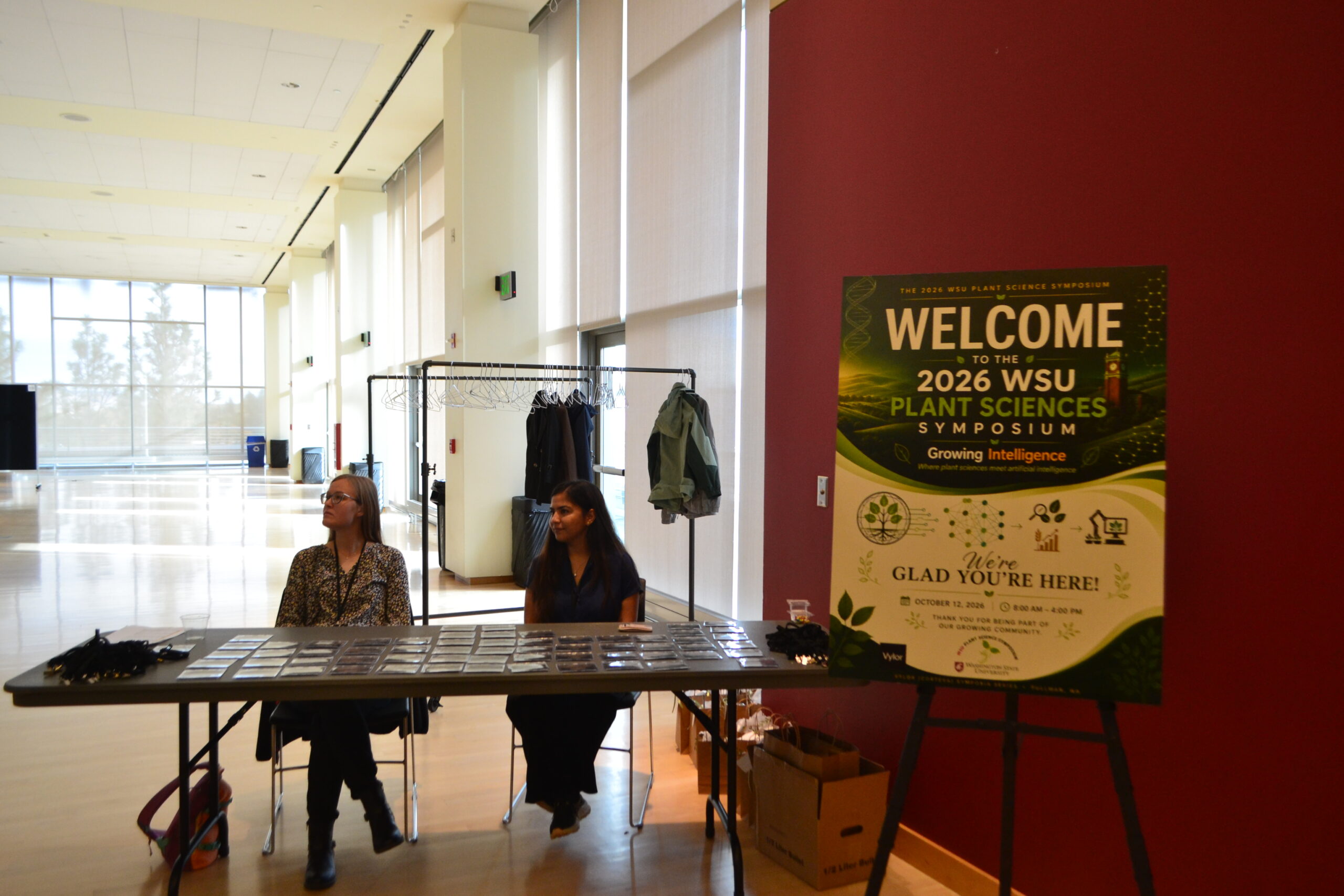
2026: Growing Intelligence: Where Plant Sciences Meet Artificial Intelligence
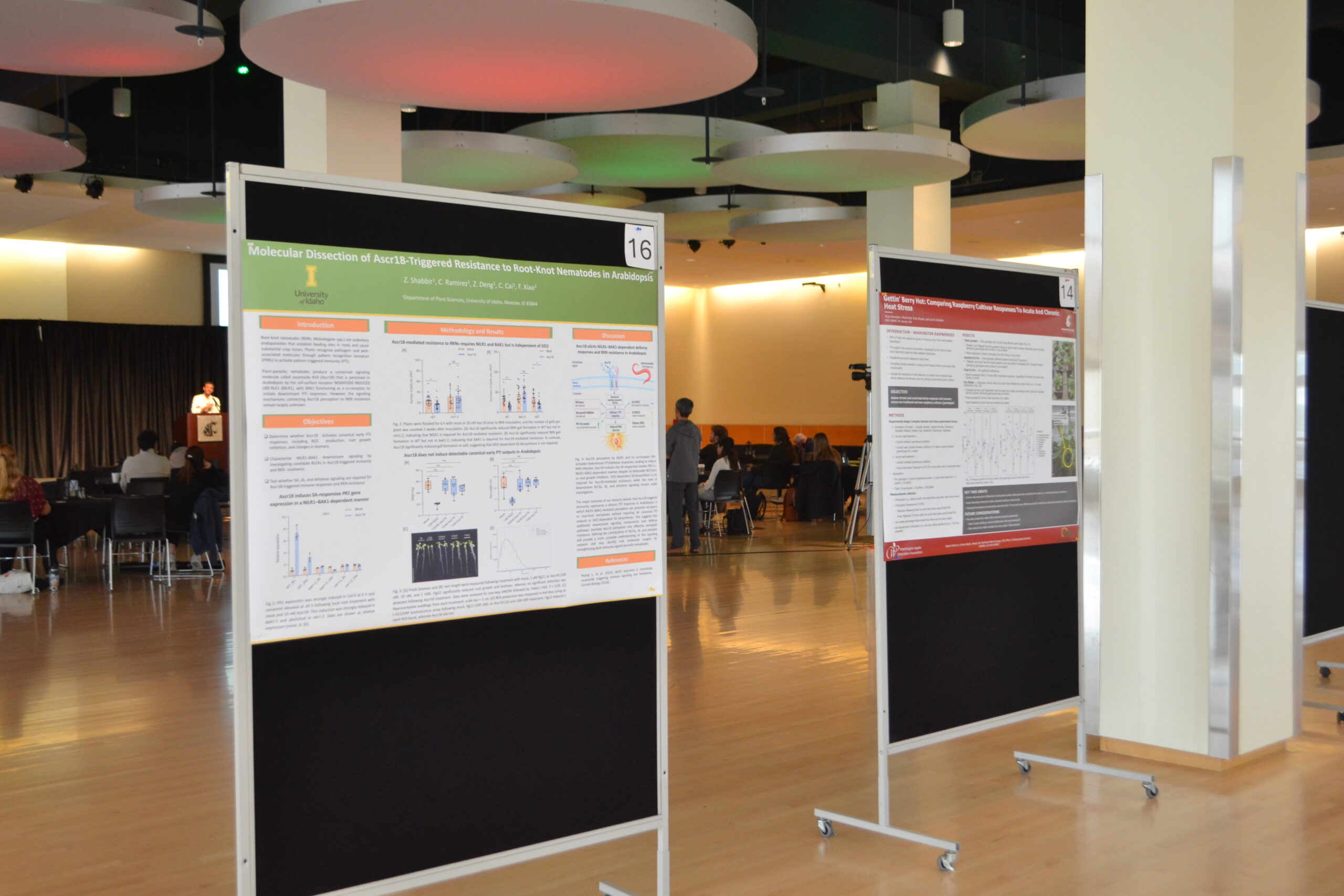
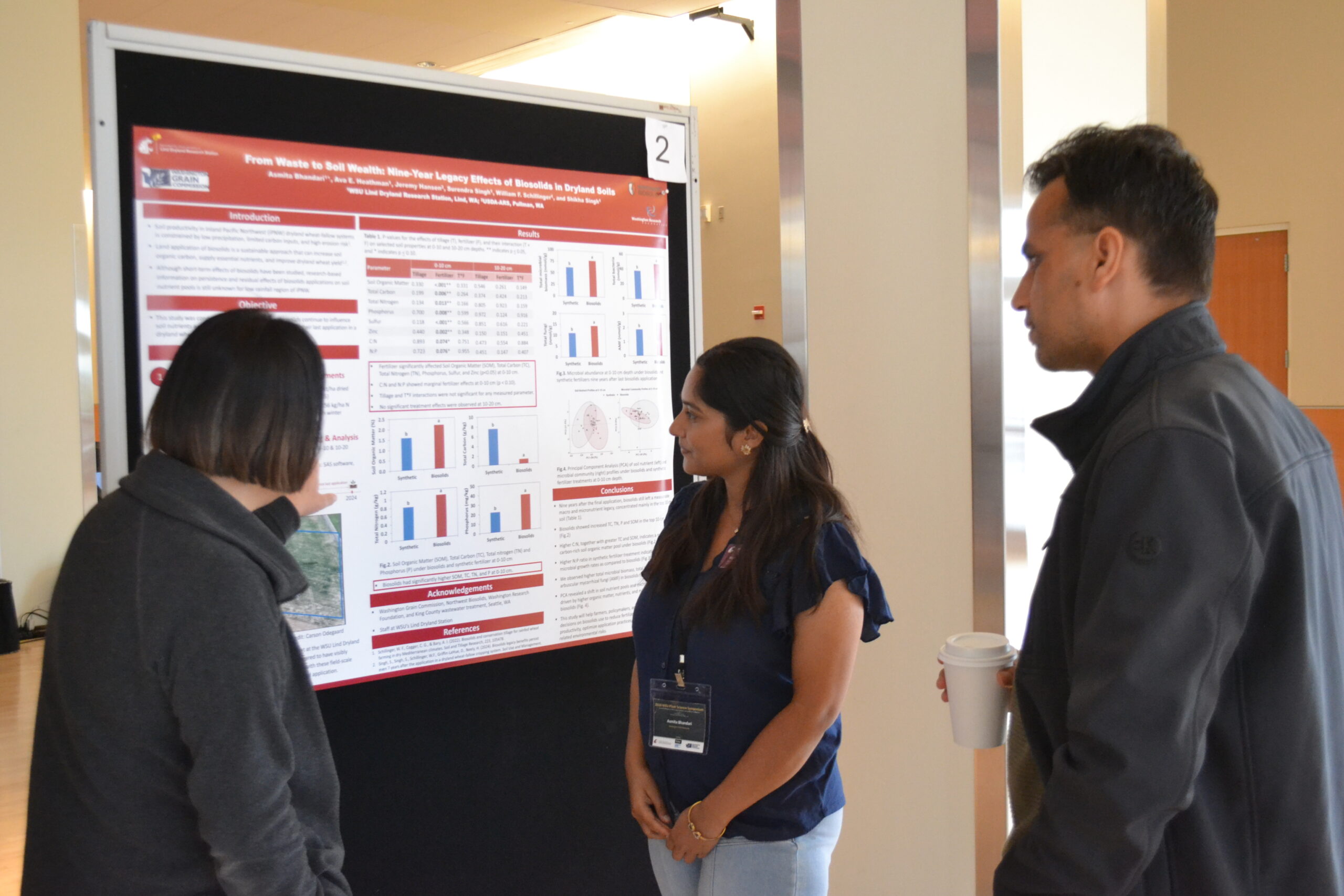
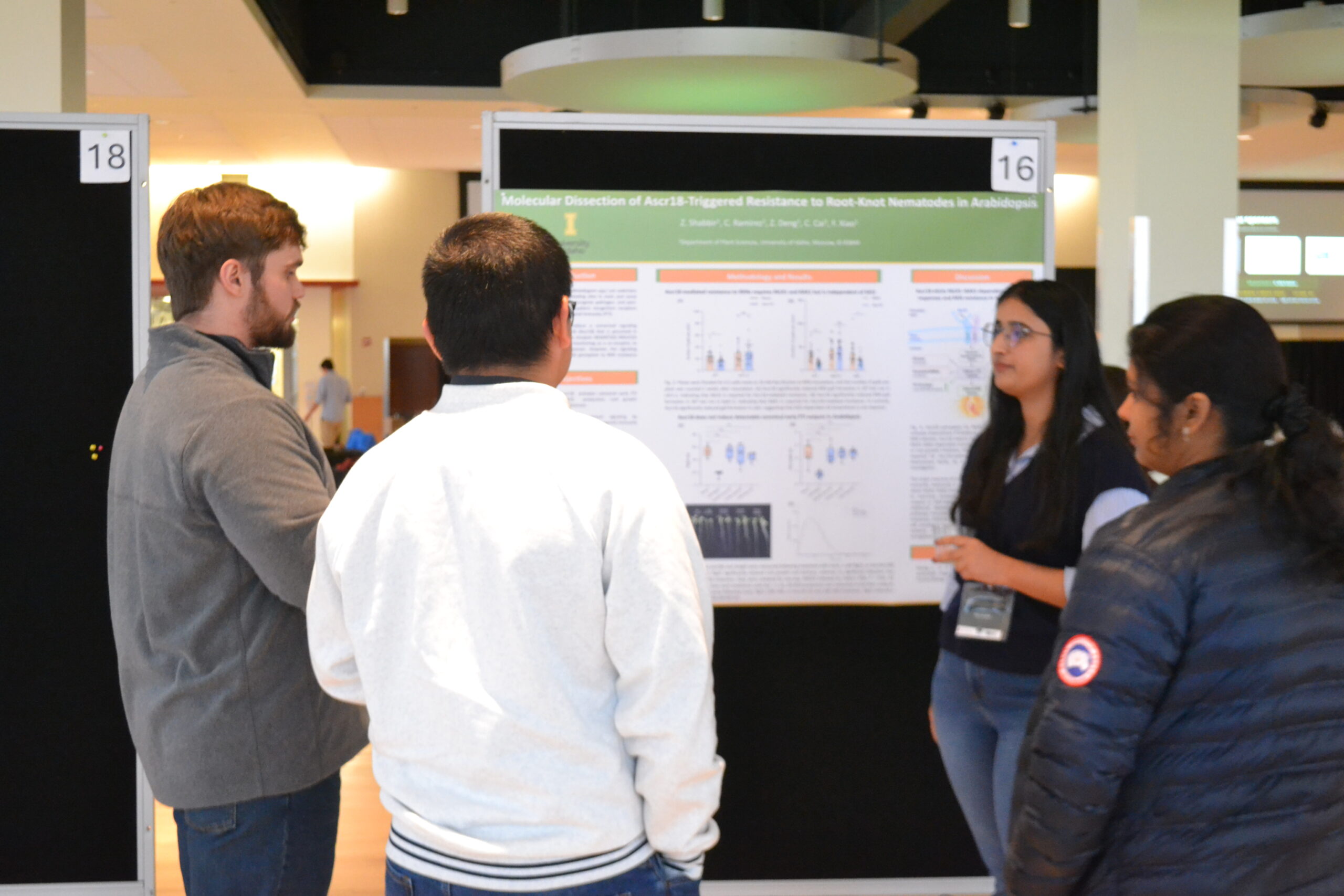
2026 Poster Presentation Winners
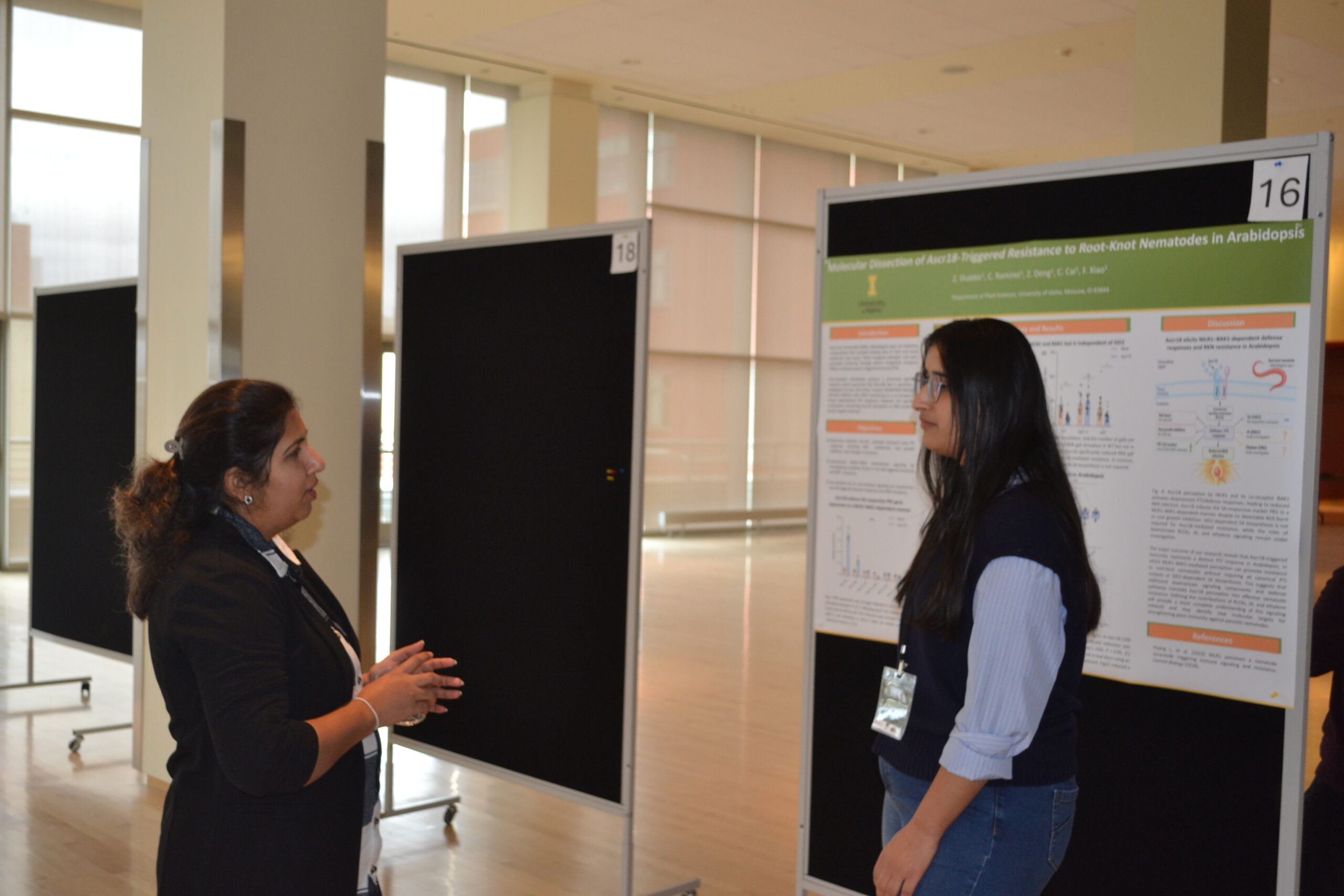
- First place: Zoha Shabbir
- Second place: Leslie Vite
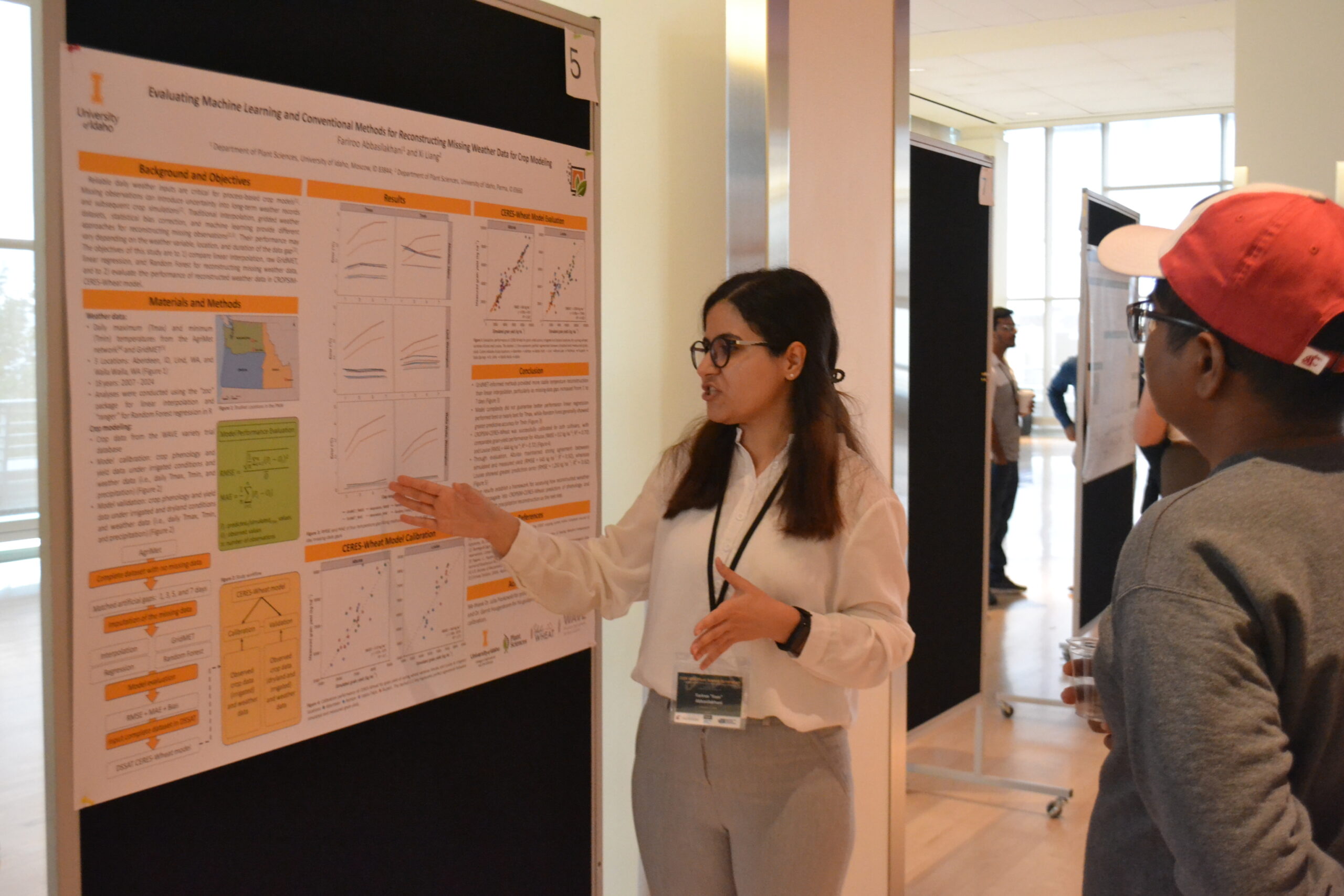
- Third place: Fariroo Abbasilakhani
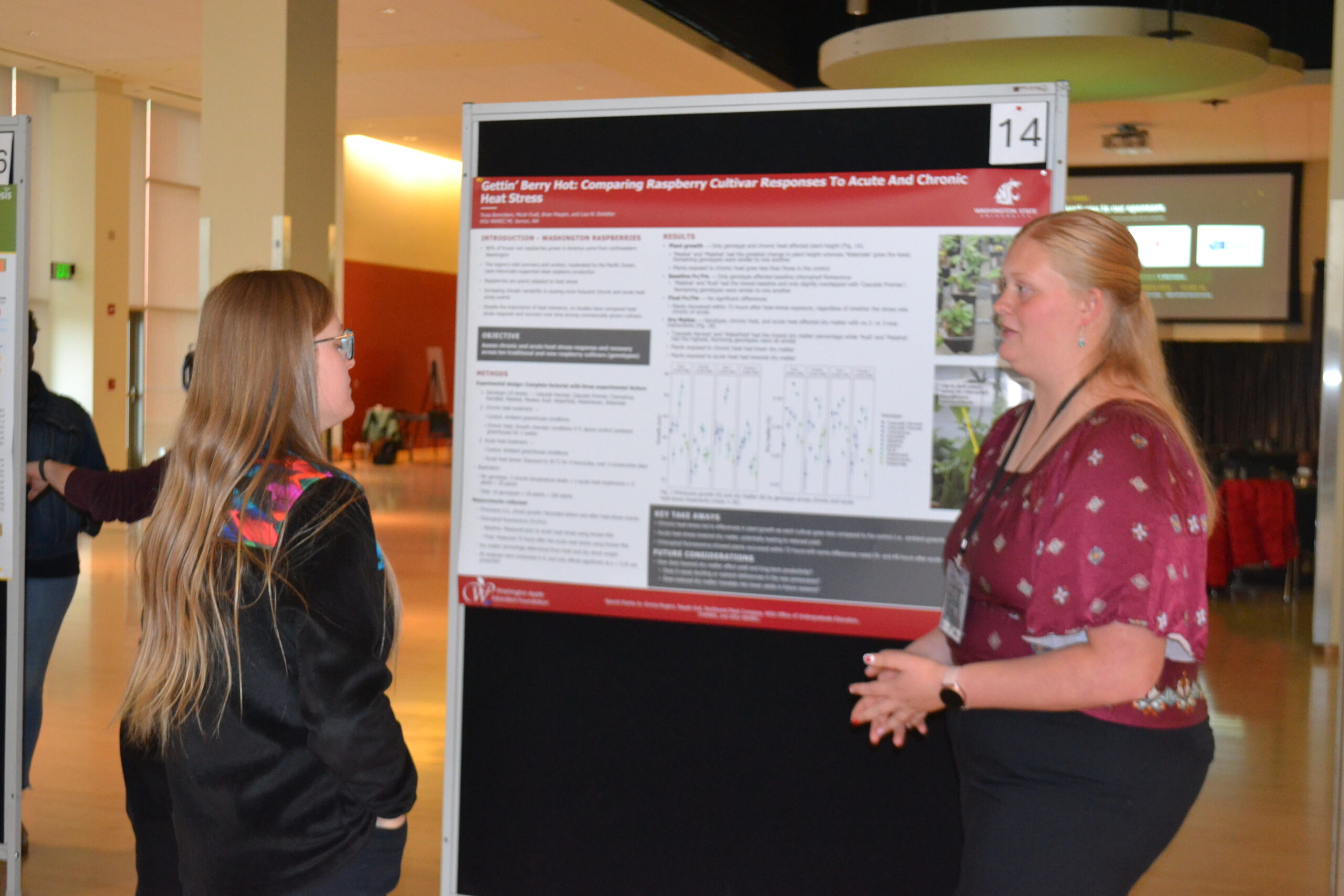
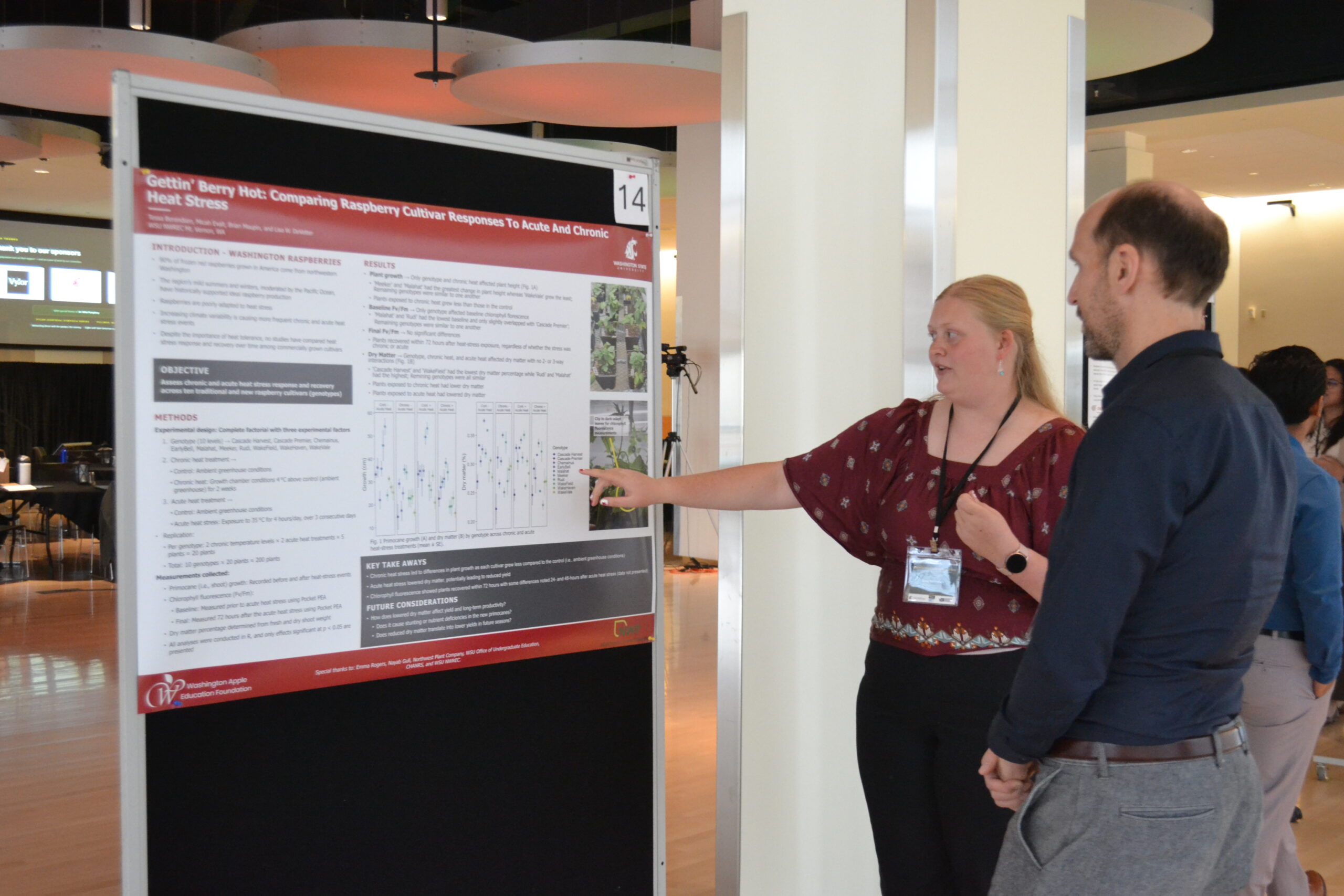
- Undergraduate winner: Tessa Berendsen
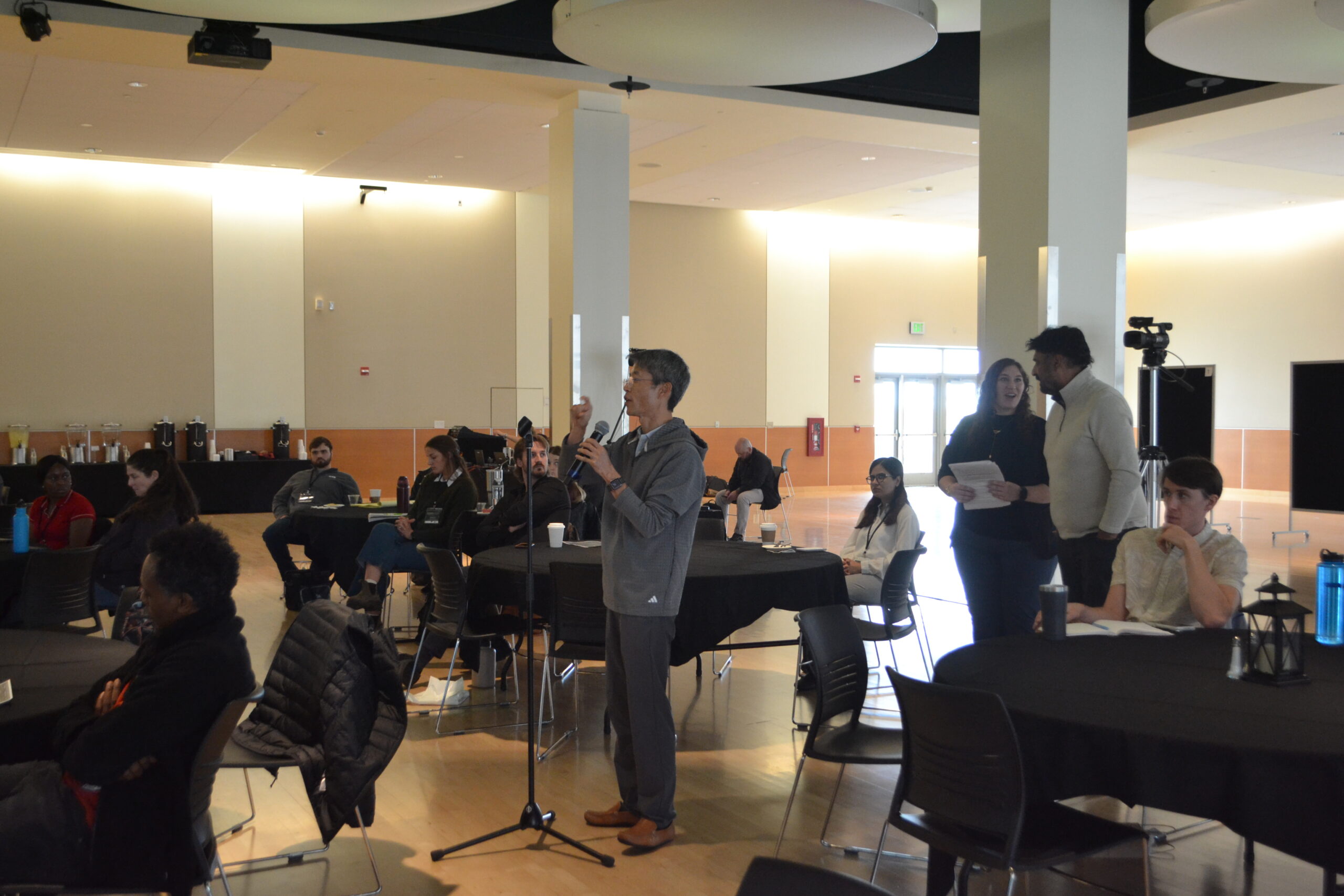
2026 Speakers

Noah Fahlgren, PhD
Dr. Noah Fahlgren is a prominent scientist who leads the data science facility at the Donald Danforth Plant Science Center, where his work spans the cutting-edge intersections of high-throughput phenotyping, computer vision, machine learning, genomics, and computational biology. His journey into plant science began during his time as an undergraduate researcher in Dr. Jim Carrington’s lab at Oregon State University, coinciding with the revolutionary emergence of high-throughput DNA sequencing. Today, at the Danforth Center, Dr. Fahlgren’s team focuses on building innovative computational tools designed to bridge different fields of expertise and empower scientists to solve complex big data challenges. Notably, he is the pioneer behind PlantCV, a widely recognized open-source image analysis software package that enables researchers worldwide to extract biologically meaningful data from hundreds of thousands of plant phenotyping images.

Ananth Kalyanaraman, PhD
Professor, Boeing Chair in Computer Science, WSU.
Dr. Ananth Kalyanaraman is the Director of the School of Electrical Engineering and Computer Science and the Boeing Chair of Computer Science at Washington State University. He serves as the lead PI and Director of the NSF-USDA NIFA AgAID AI Institute. Additionally, he holds a joint appointment at the Pacific Northwest National Laboratory (PNNL). He serves as affiliate faculty for the Molecular Plant Sciences Graduate Program and the Paul G. Allen School for Global Health. He earned his Ph.D. in Computer Engineering and an M.S. in Computer Science from Iowa State University, following his B.E. in Computer Science and Engineering from the Visvesvaraya National Institute of Technology. His research bridges the fields of parallel computing, graph analytics, and computational biology, with an emphasis on integrating data science, AI, and machine learning into practical, real-world applications. His work is centered on the development of scalable algorithms and software designed to analyze massive datasets, particularly within the domains of agriculture, plant sciences, and the broader life sciences.

Stephen Ficklin, PhD
Associate Professor and Chair of the Department of Horticulture, WSU.
Dr. Stephen Ficklin leads a computational dry lab at WSU dedicated to bridging the gap between advanced data science and agricultural systems. His research program focuses on the creation of software tools, computational approaches, and systems-level models to address both basic and applied biological hypotheses at the molecular level, with a heavy emphasis on transcriptomics, gene expression analysis, and the development of machine learning models that learn gene relationships from RNA-seq data. With a Ph.D. in Plant and Environmental Sciences from Clemson University, Dr. Ficklin’s expertise spans systems genetics, multiomic networks, whole-genome assembly, and the development of community biological databases using the Tripal software platform. His work uniquely embodies the intersection of biological systems and computational intelligence, making him a perfect fit to speak on how advanced informatics can decode complex plant traits and accelerate modern agricultural innovation.

Jia Dong, PhD
College of Agriculture and Life Sciences, Cornell University.
Dr. Jia Dong’s research sits at the cutting edge of agricultural innovation, combining bioengineering, synthetic biology, robotics, and artificial intelligence to boost crop yield and environmental resilience. A Faculty Fellow at the Cornell Atkinson Center for Sustainability, she focuses on uncovering the molecular mechanisms behind crop productivity and plant stress responses, and translating those discoveries into the development of resilient, sustainable crop varieties. Her work pioneers high-throughput automation by harnessing a robotic biofoundry to establish a rapid, automated Design-Build-Test-Learn (DBTL) engineering cycle. This scalable platform has successfully generated new crop varieties with enhanced oil accumulation and is being deployed to optimize yields, drought tolerance, and disease resilience across key food and energy crops, including sorghum, sugarcane, and tobacco. Most recently, her research focuses on integrating robotics and AI to drive high-throughput protein engineering in maize. Her expertise illustrates how the fusion of robotics and machine learning is breaking traditional bottlenecks to shape the next generation of scalable crop development.
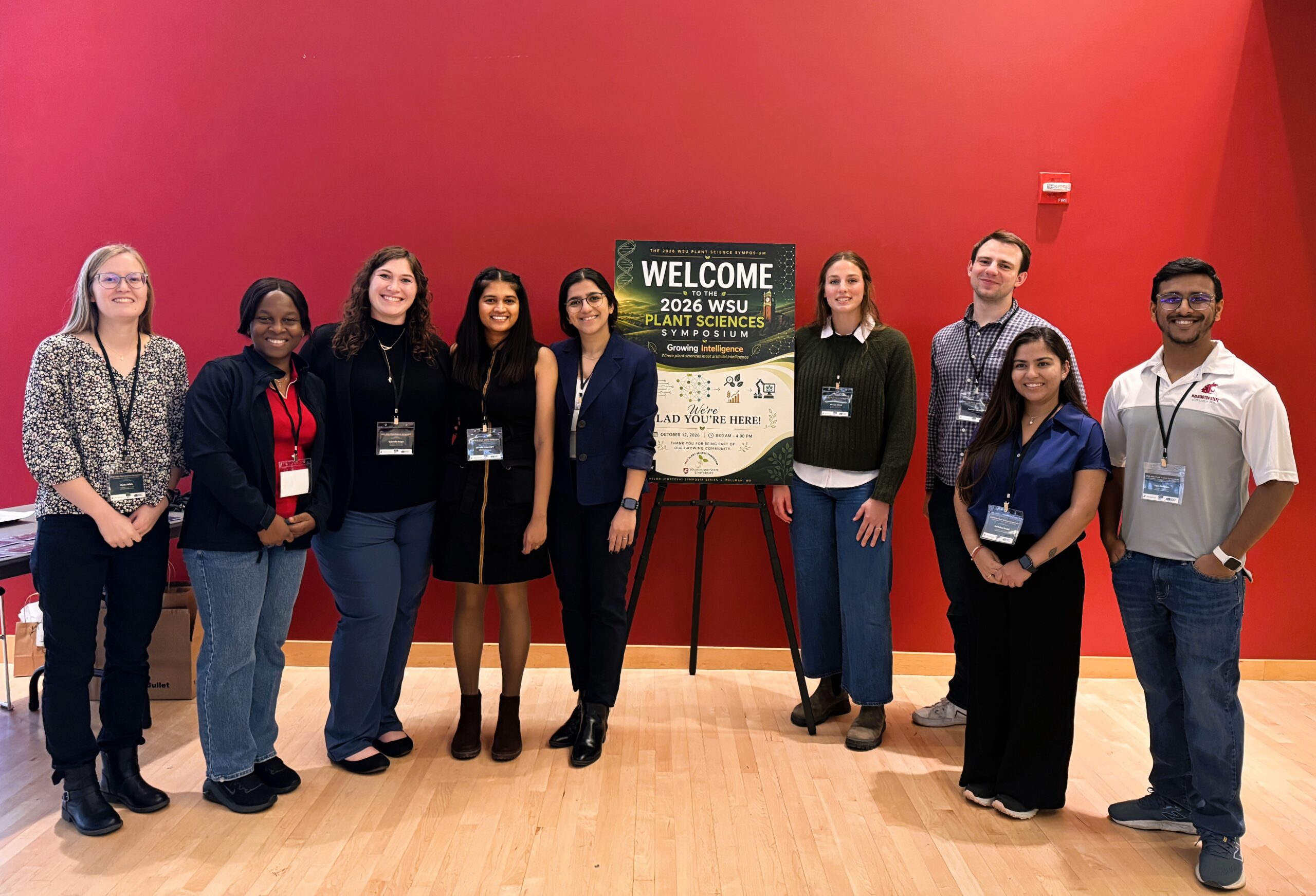
2026 Organizers

Adele Jamalzei

Marita White

Bipin Neupane

Gabrielle Berger

Lochana Marasinghe

Melinda Zubrod

Nataniel Jablonski

Ruth Ndidi Uwugiaren

Sadikshya Poudel
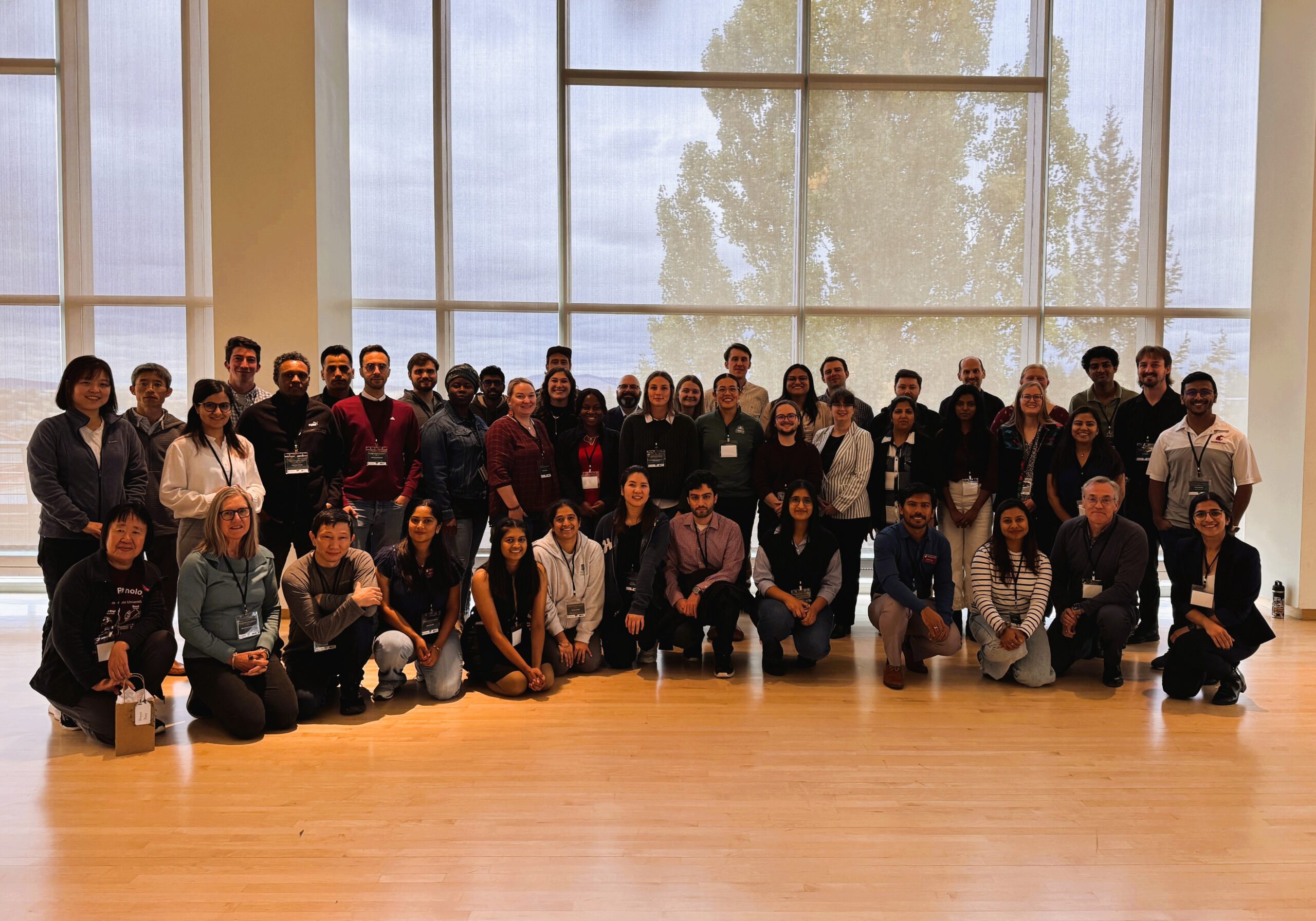
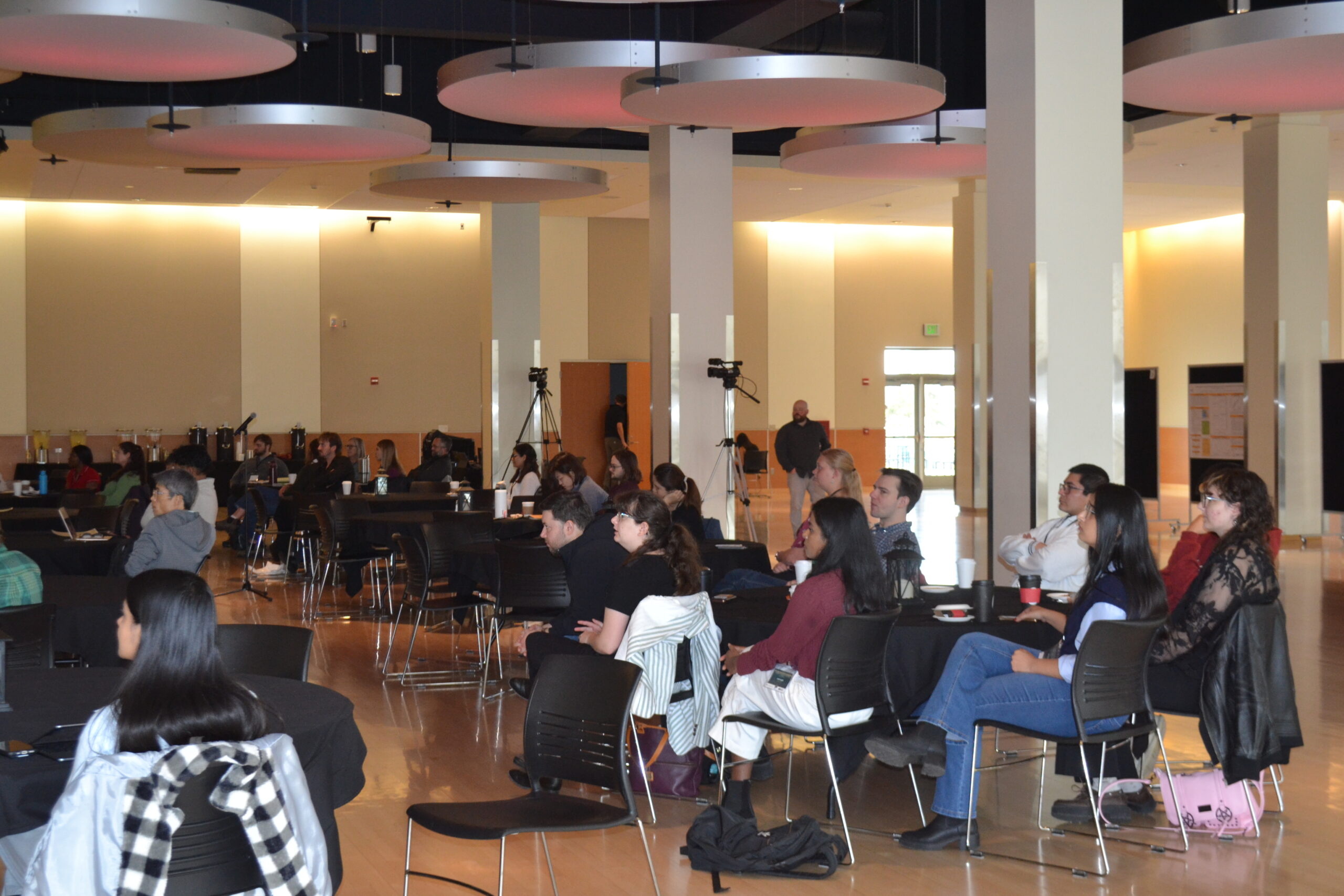
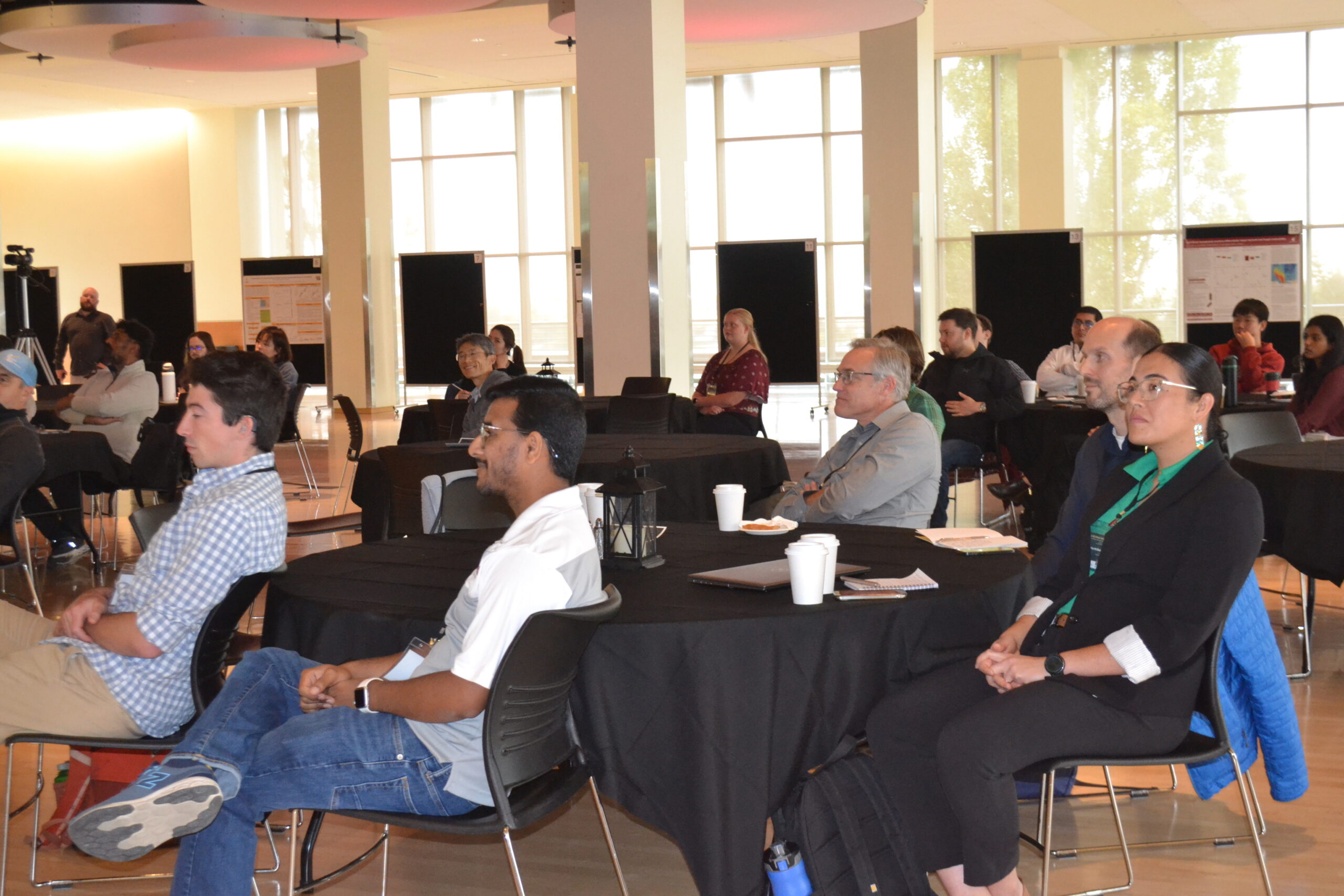
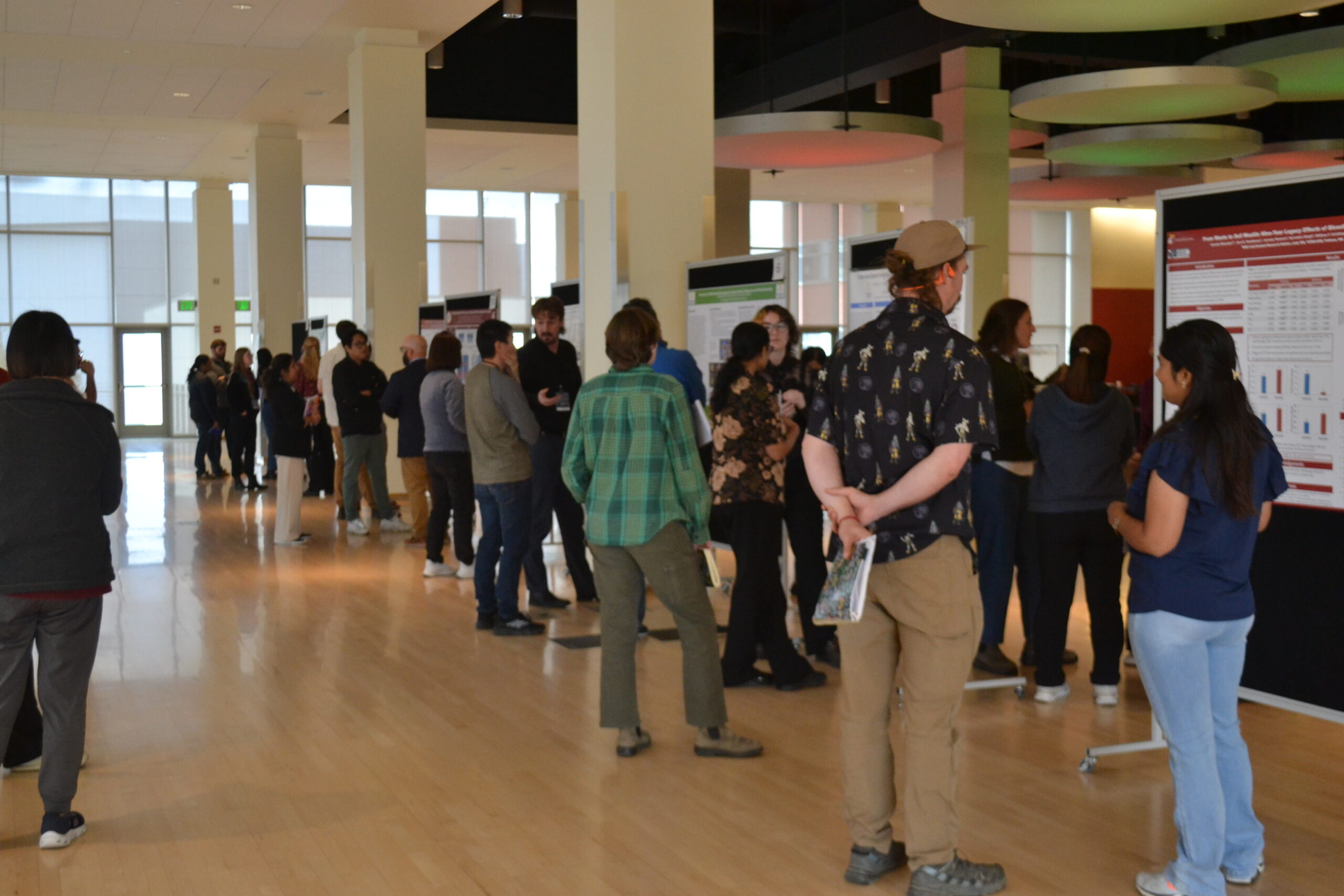
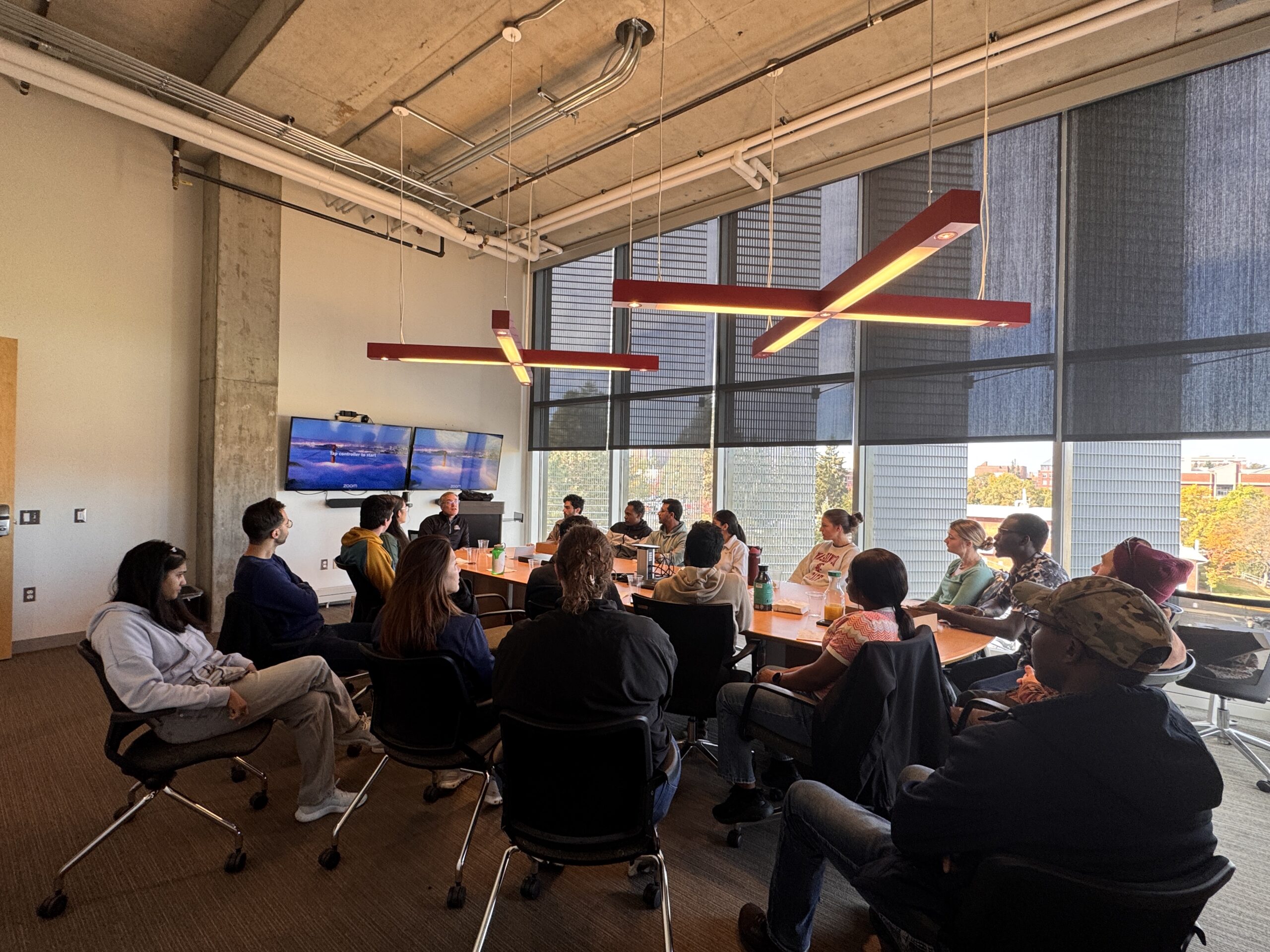
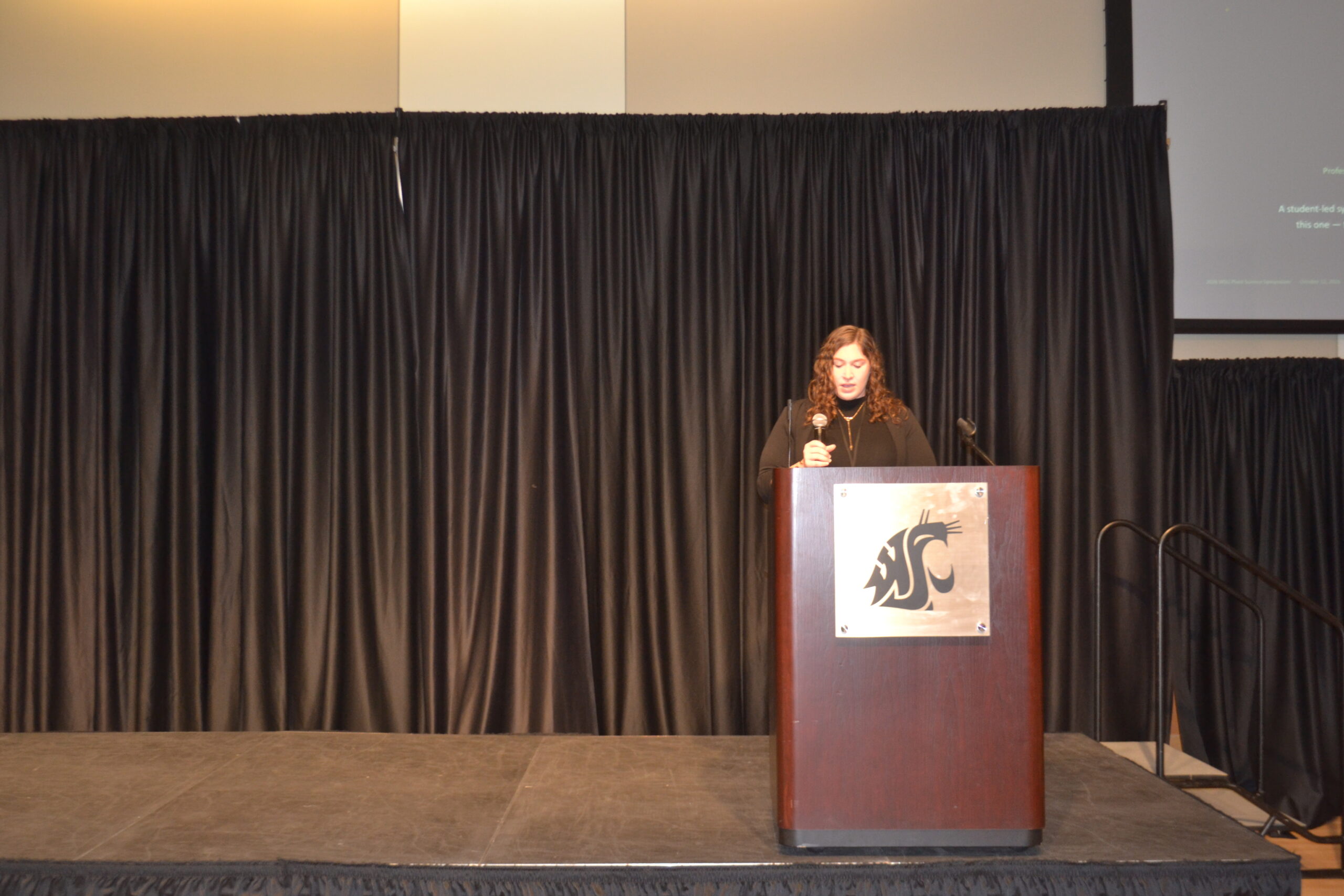
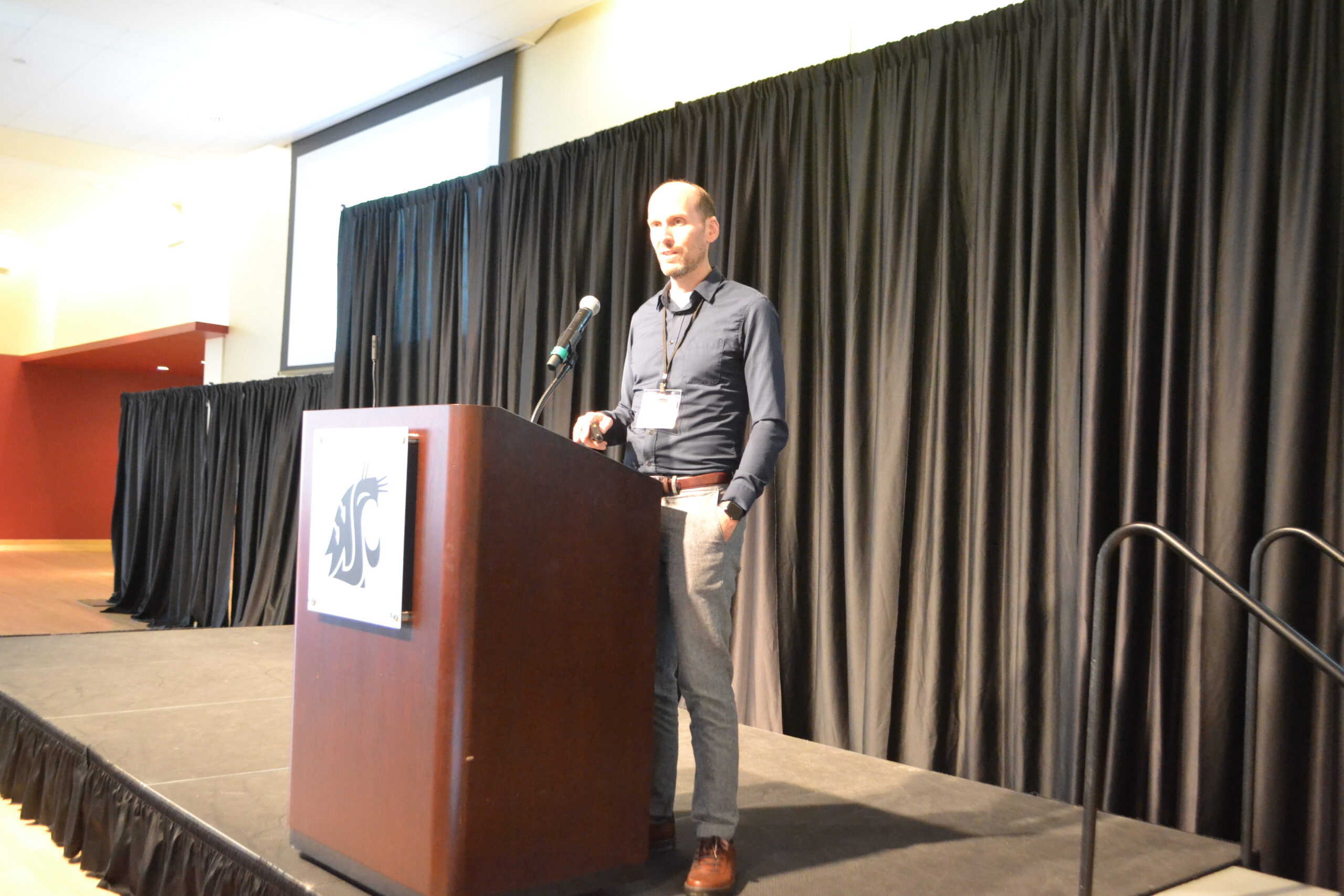
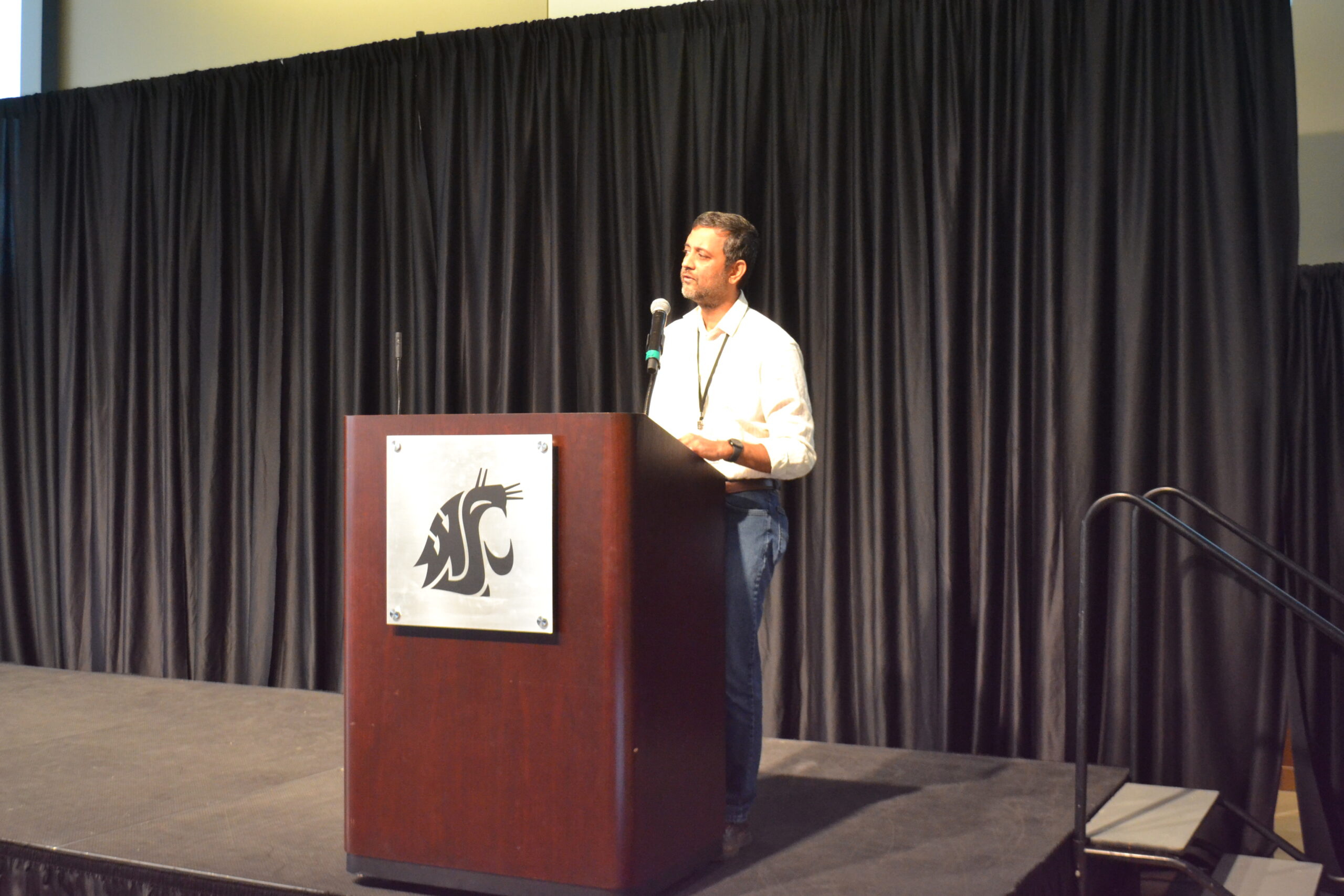
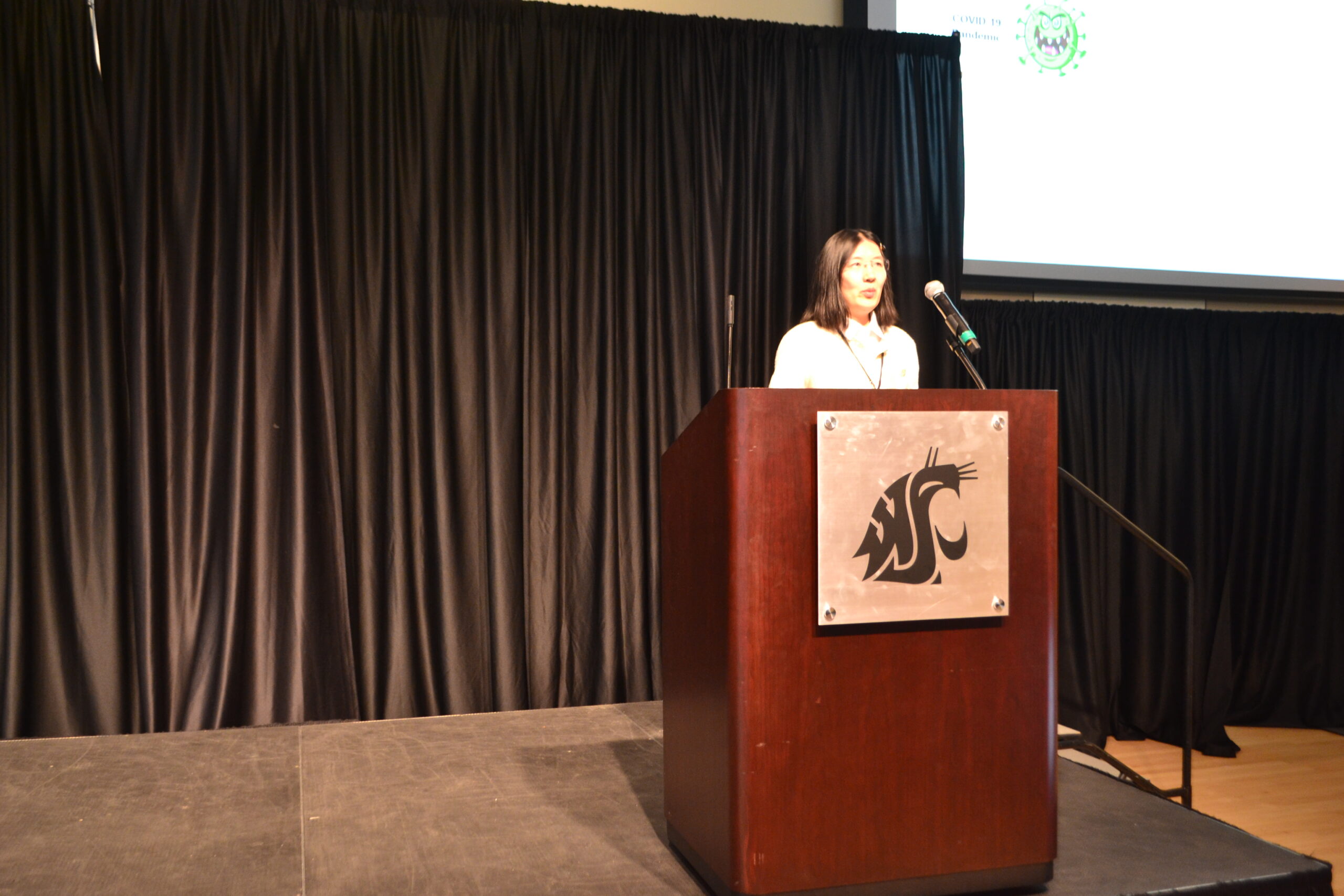
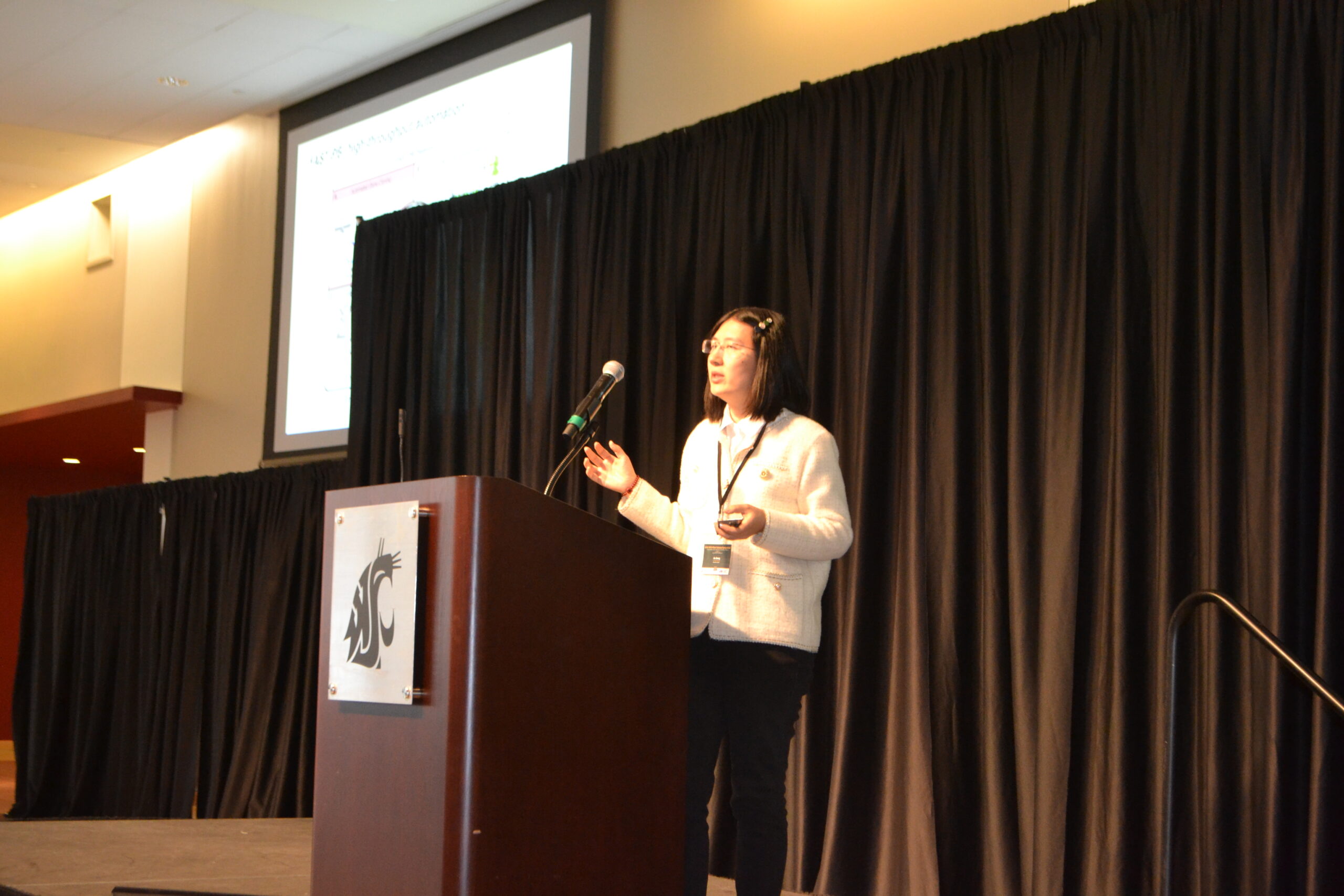
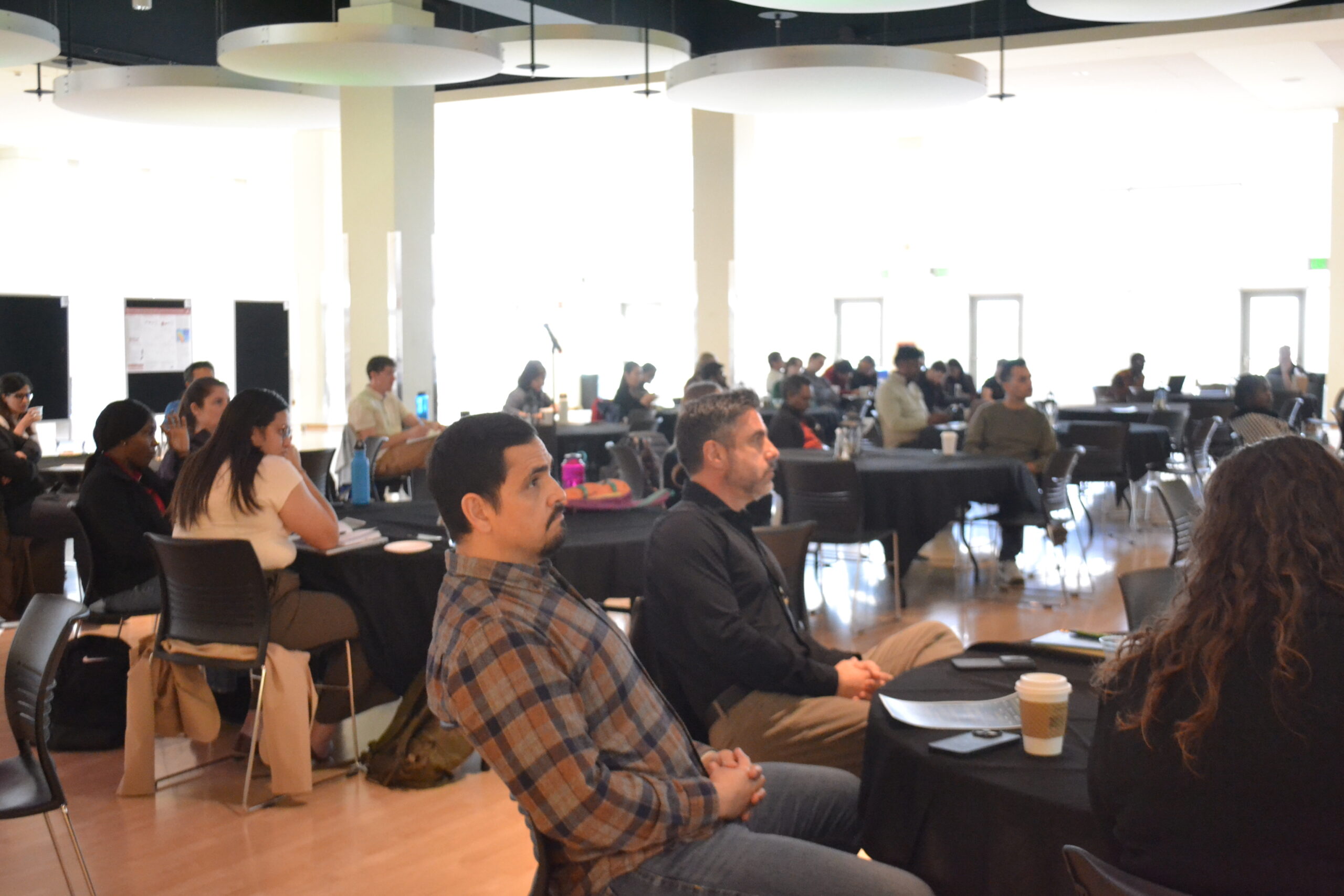
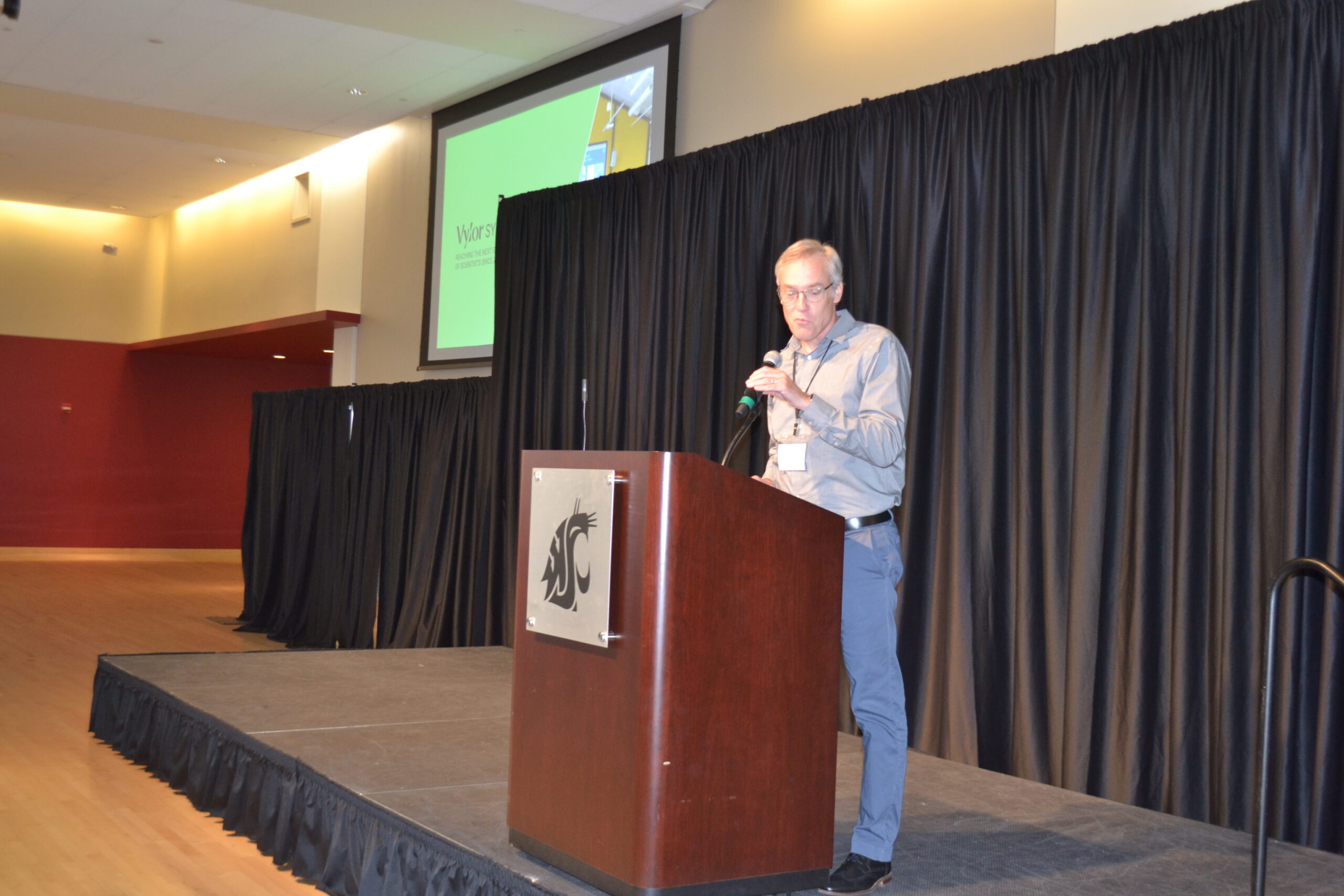
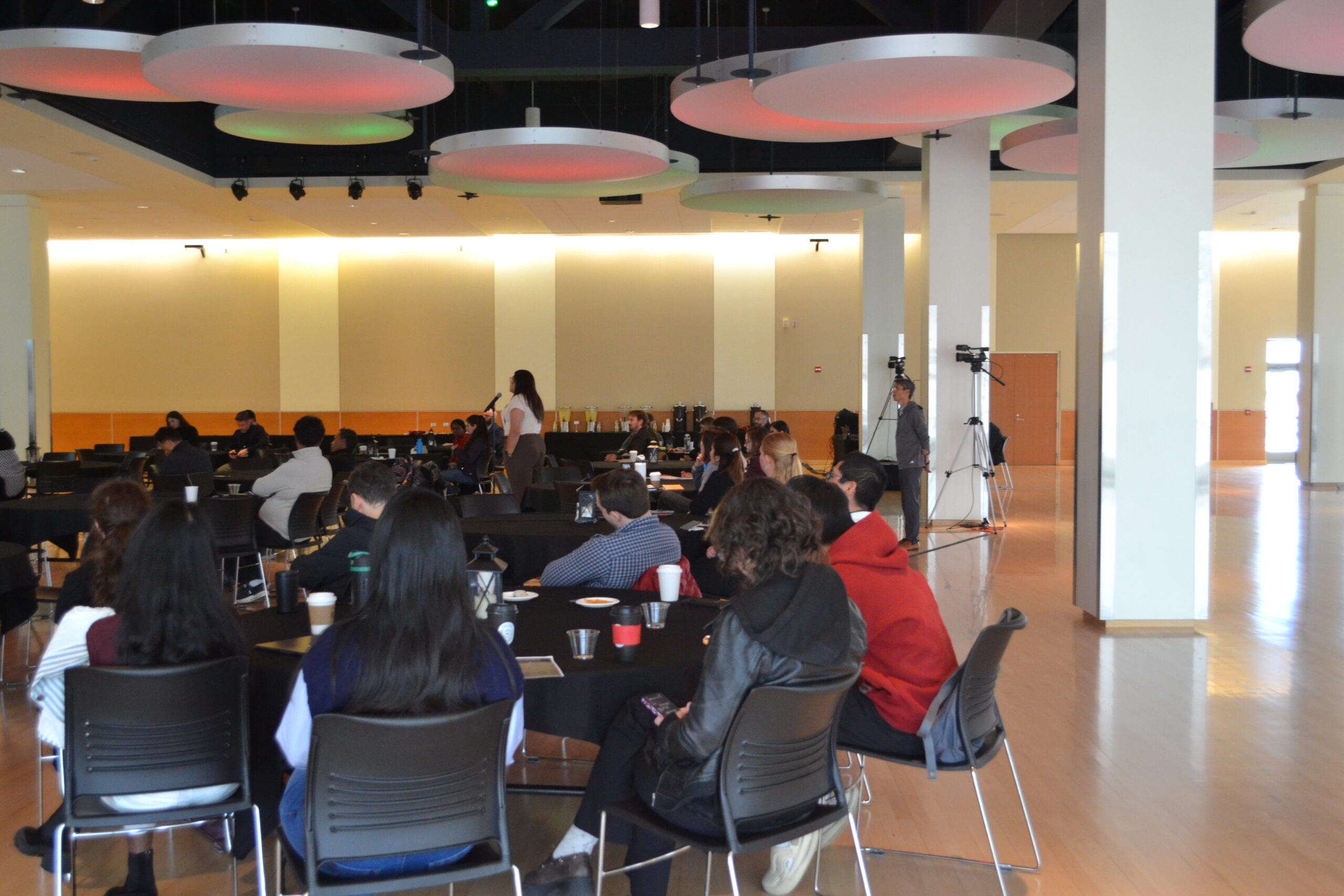
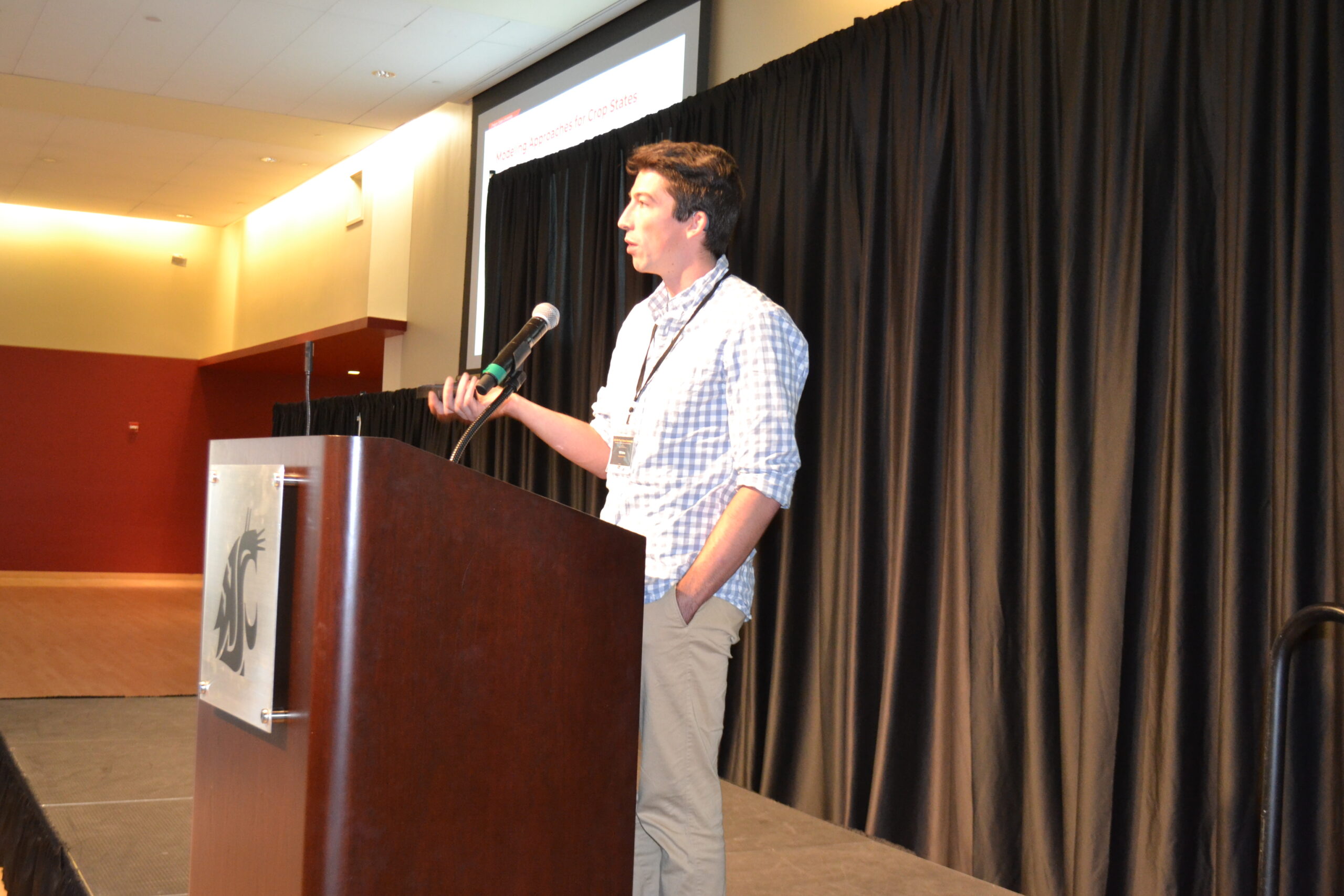
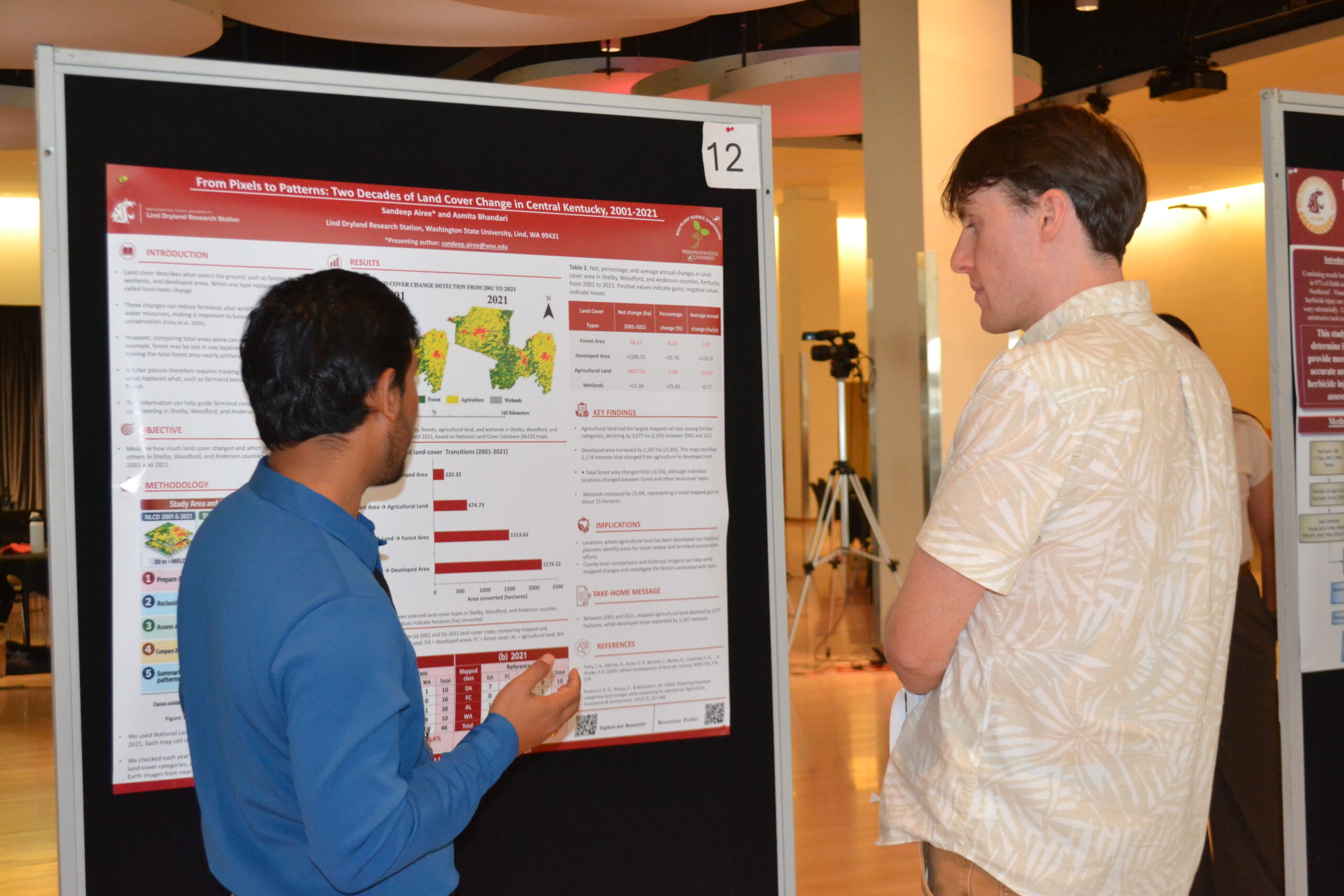
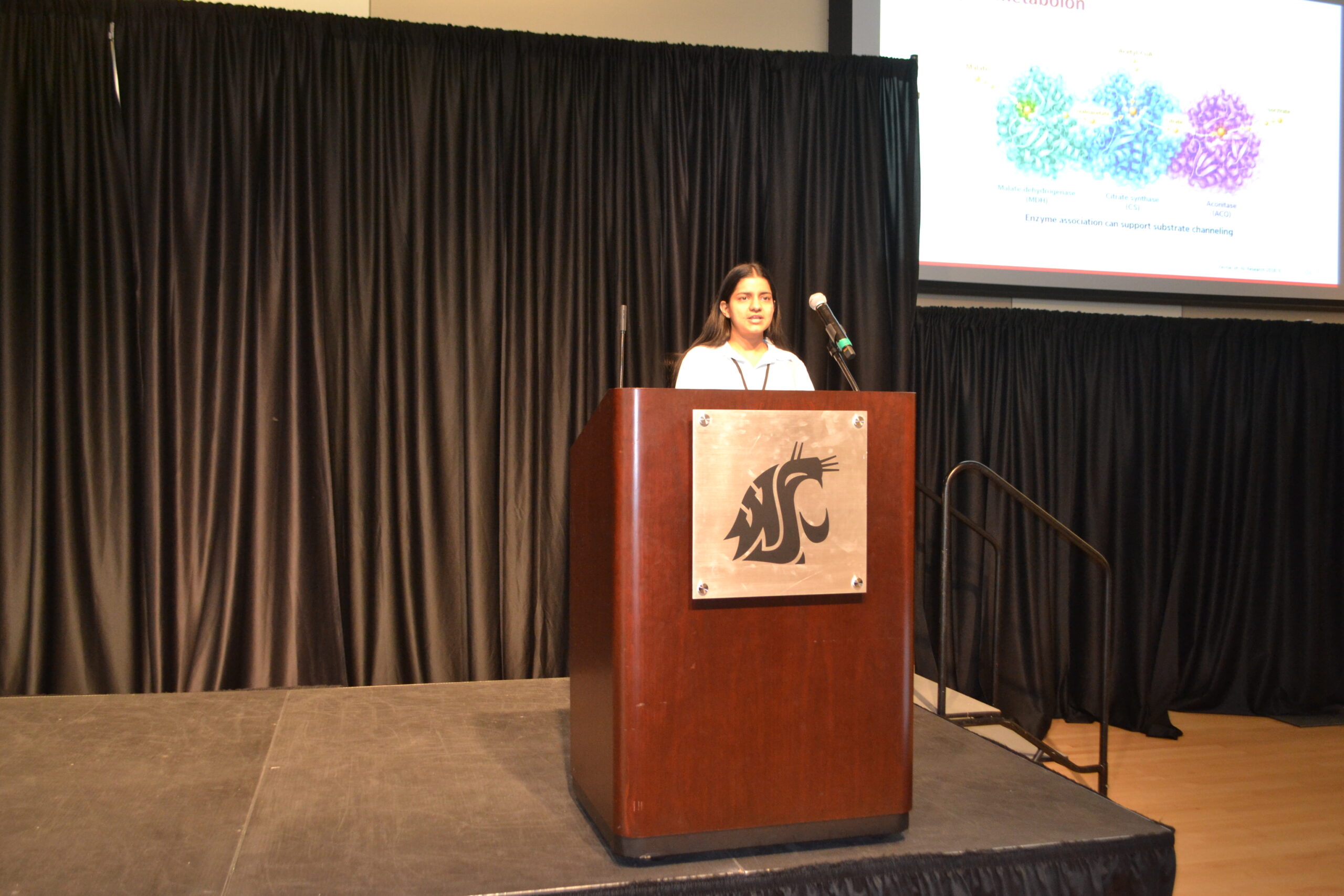
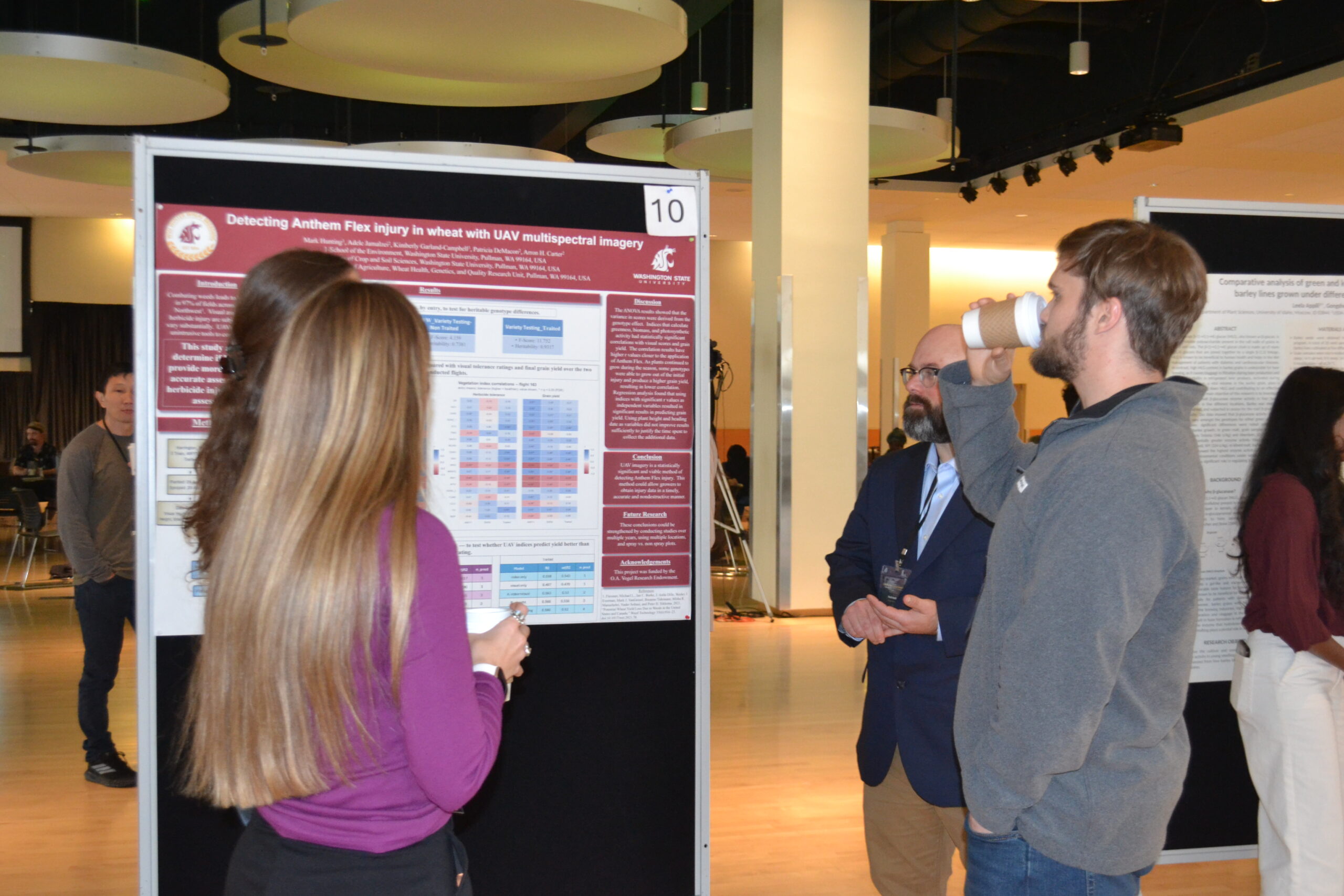
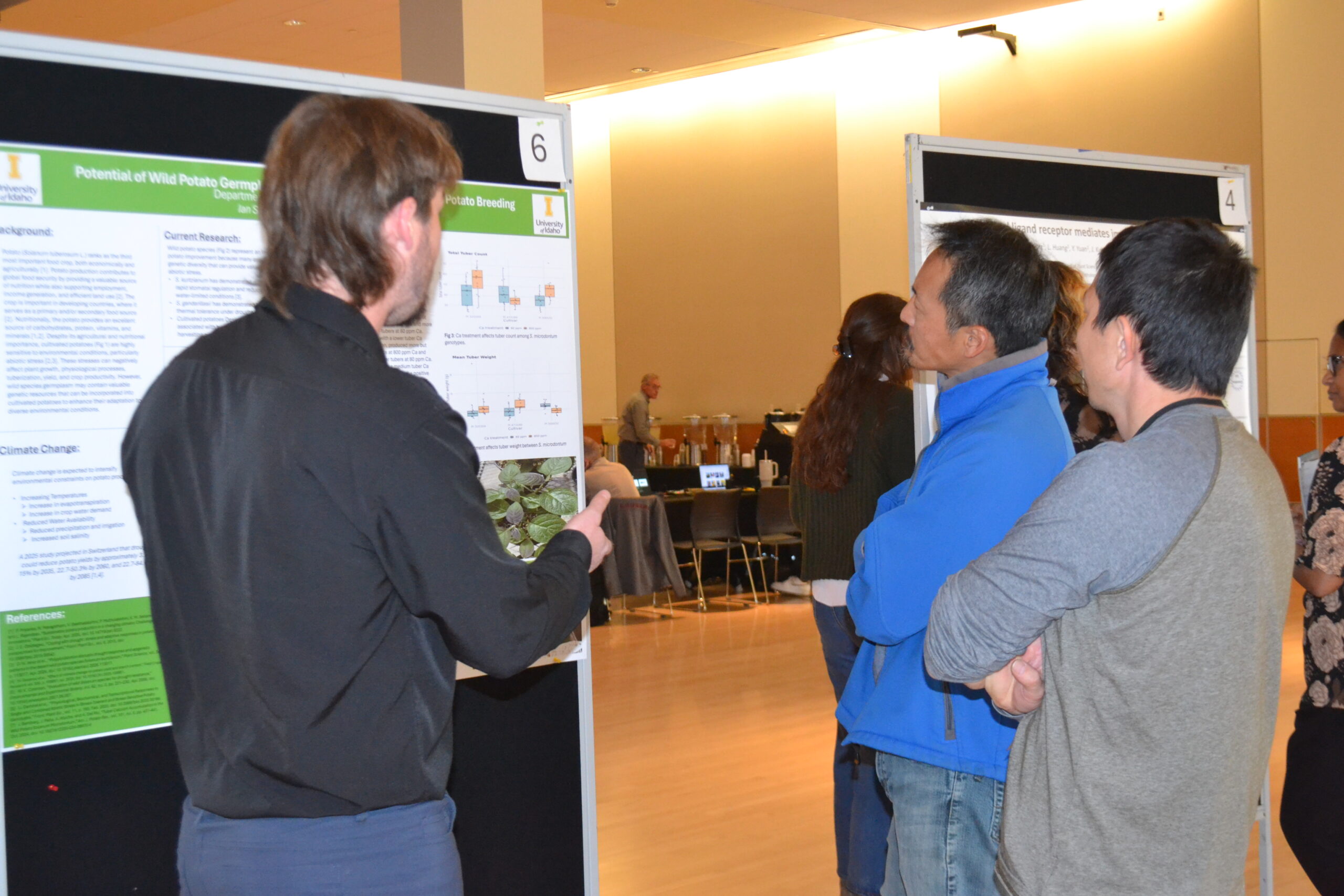
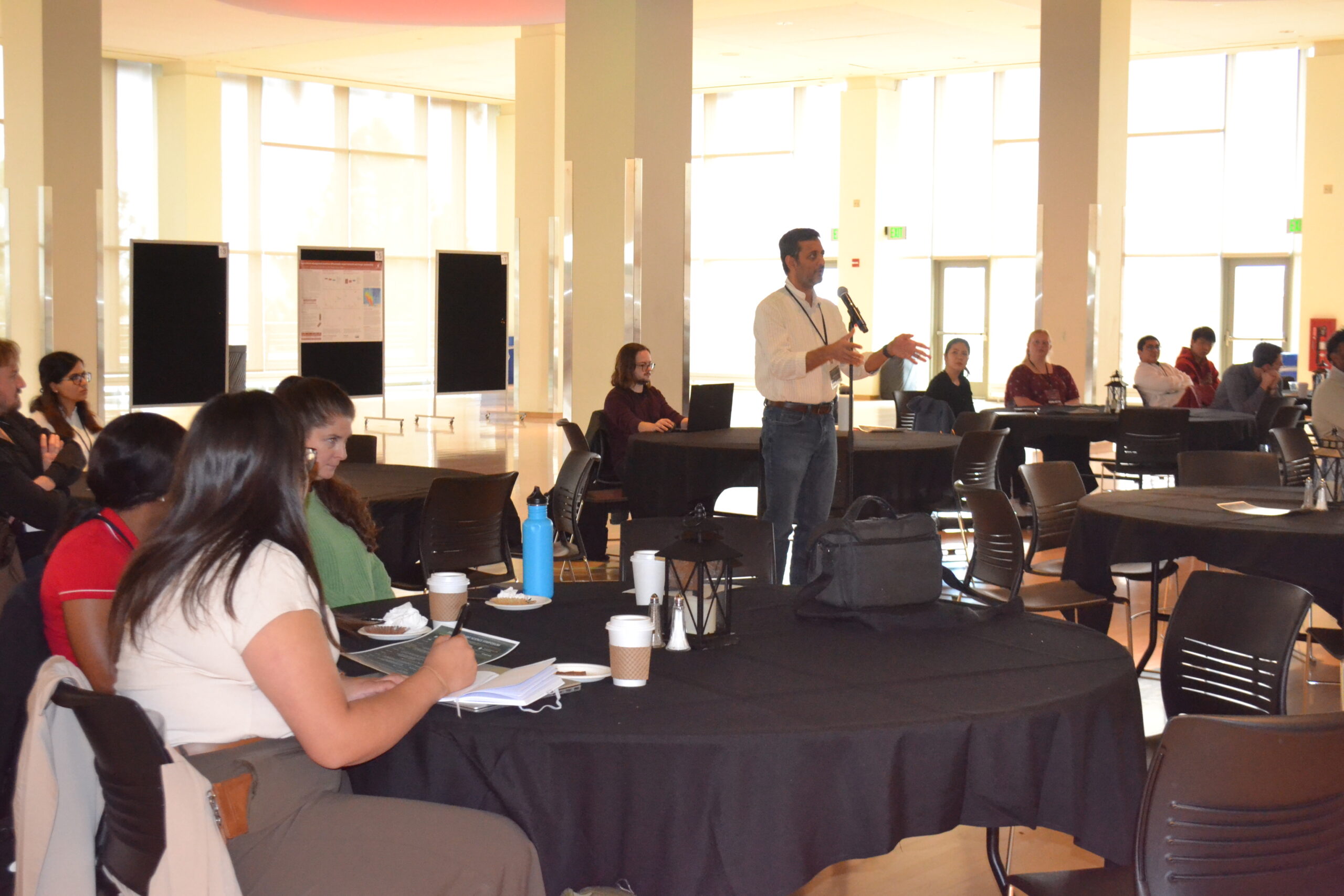
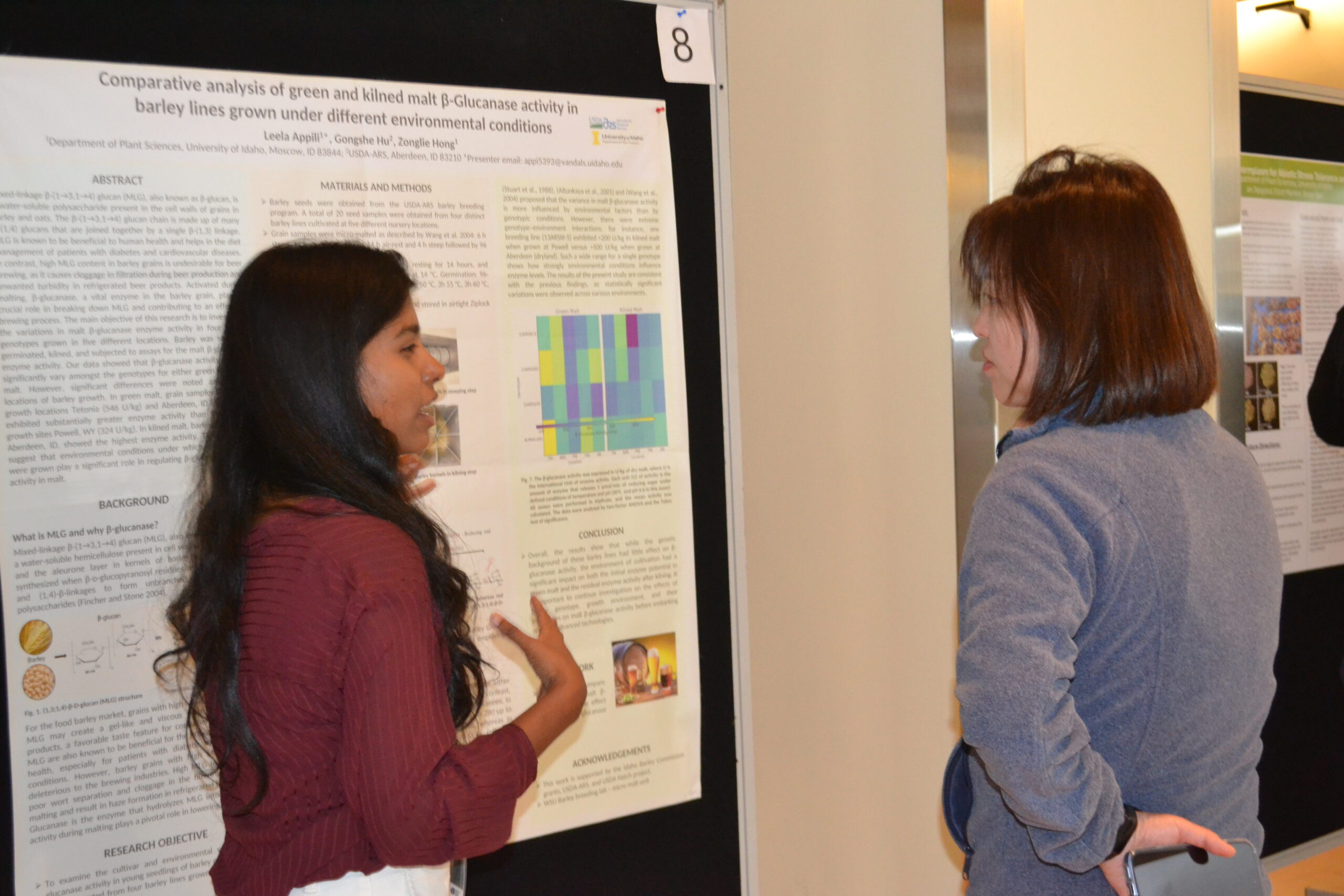
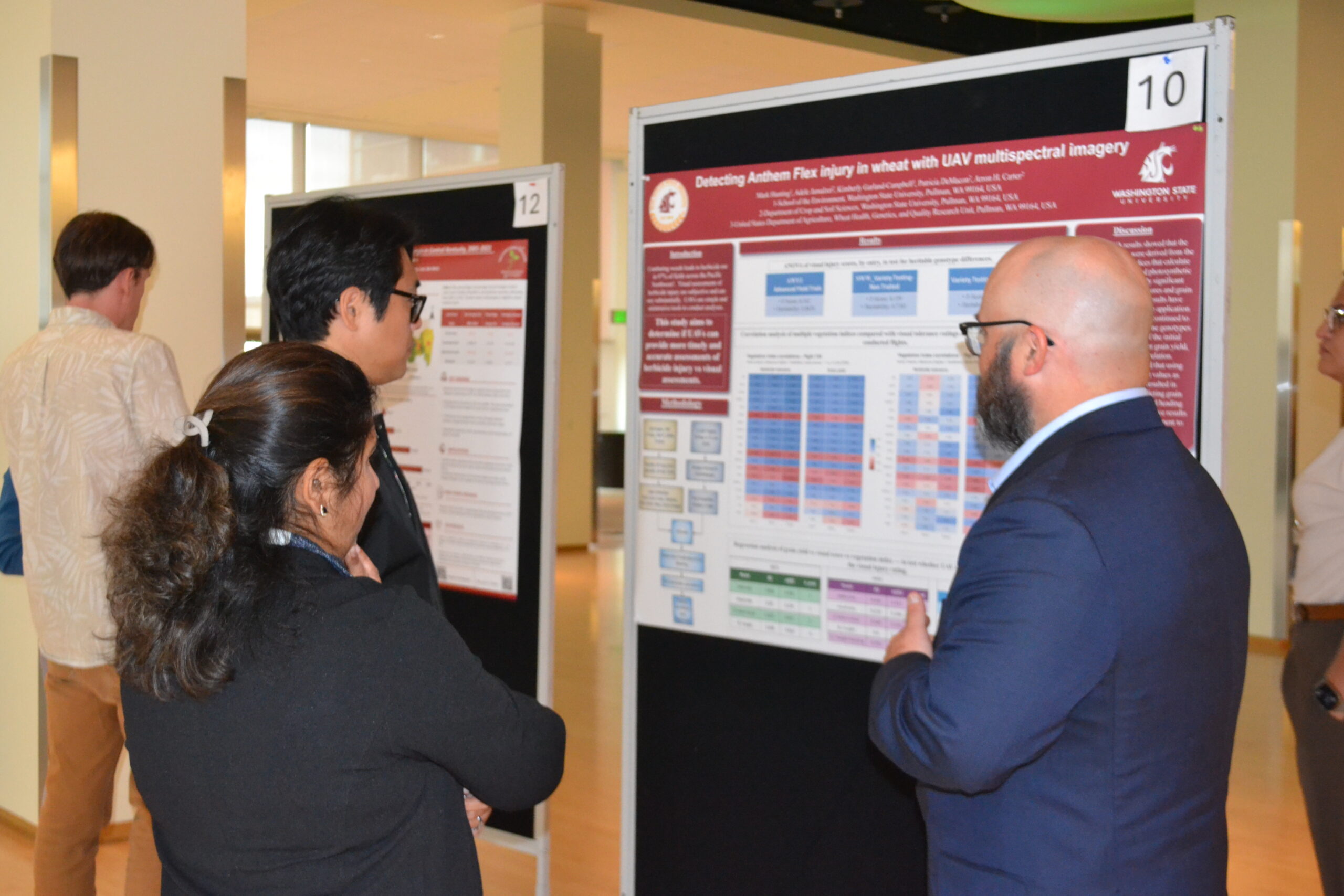
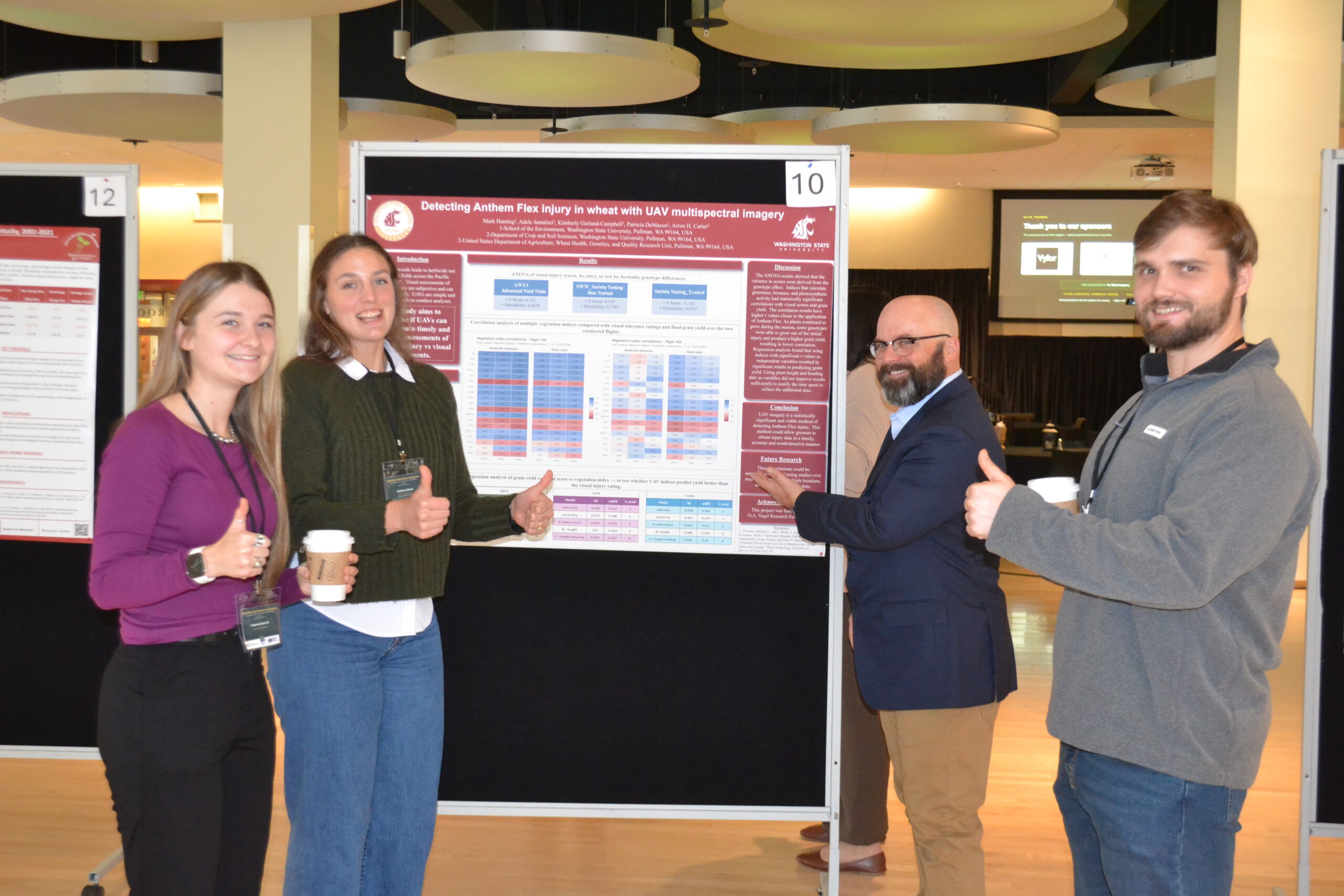
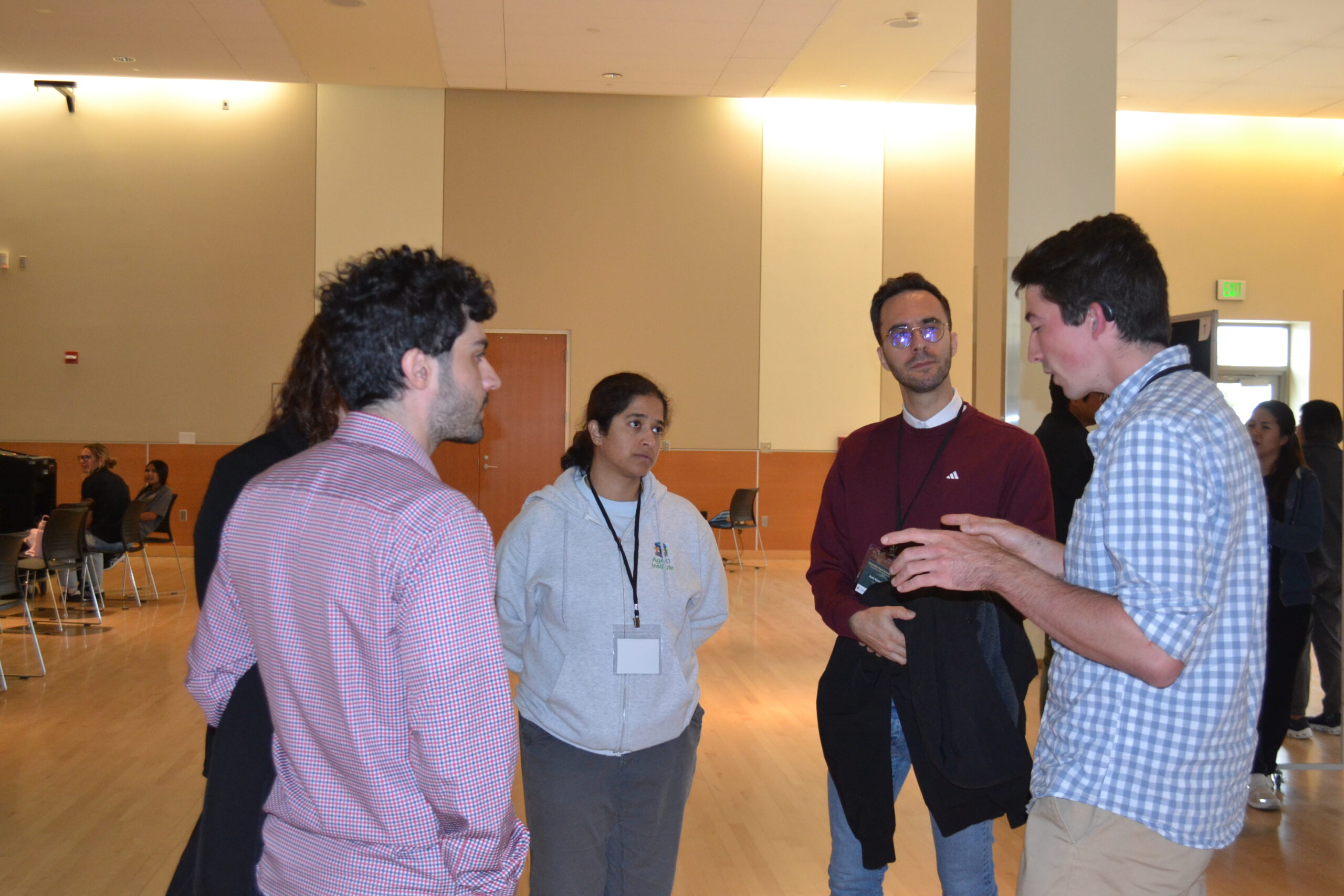
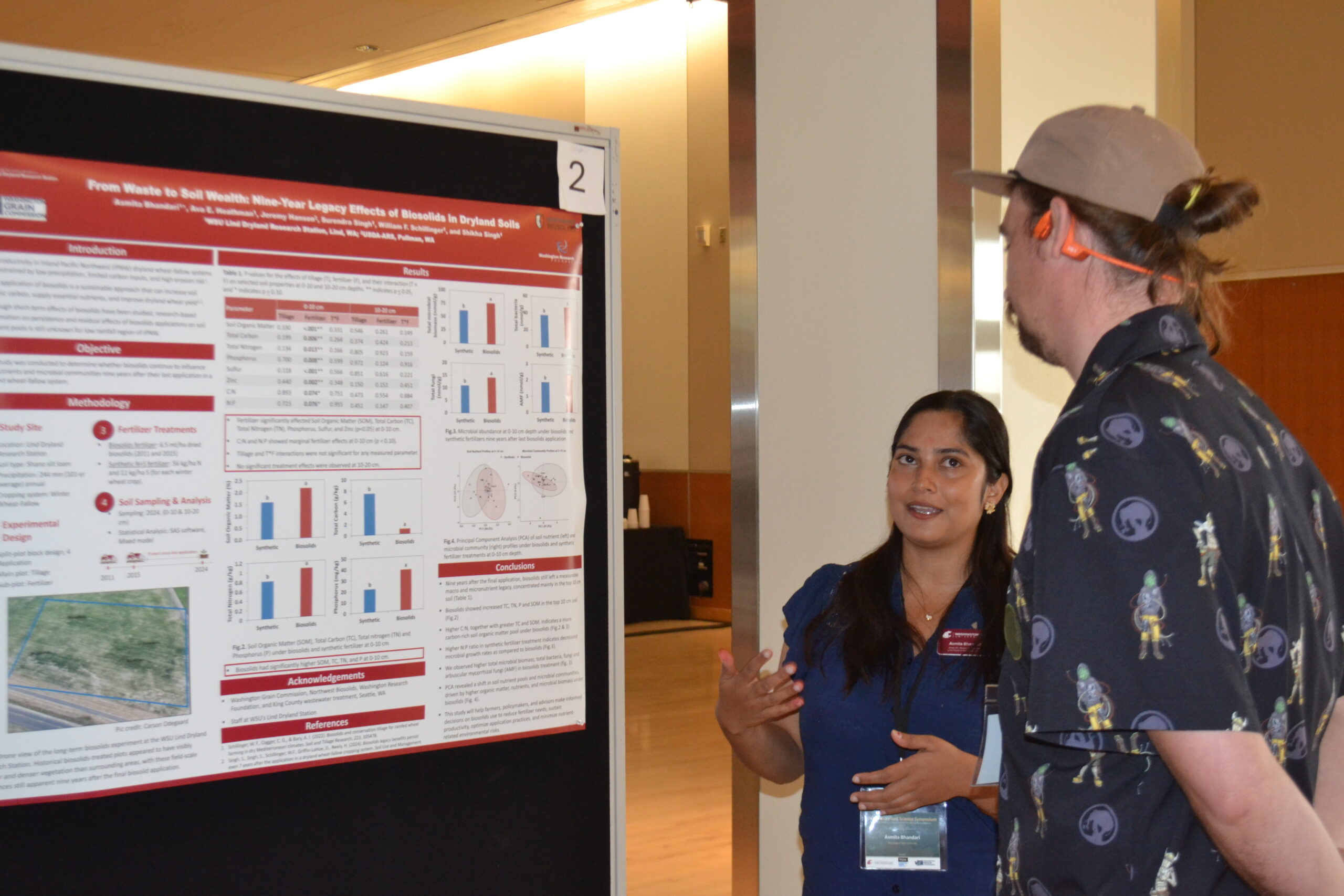
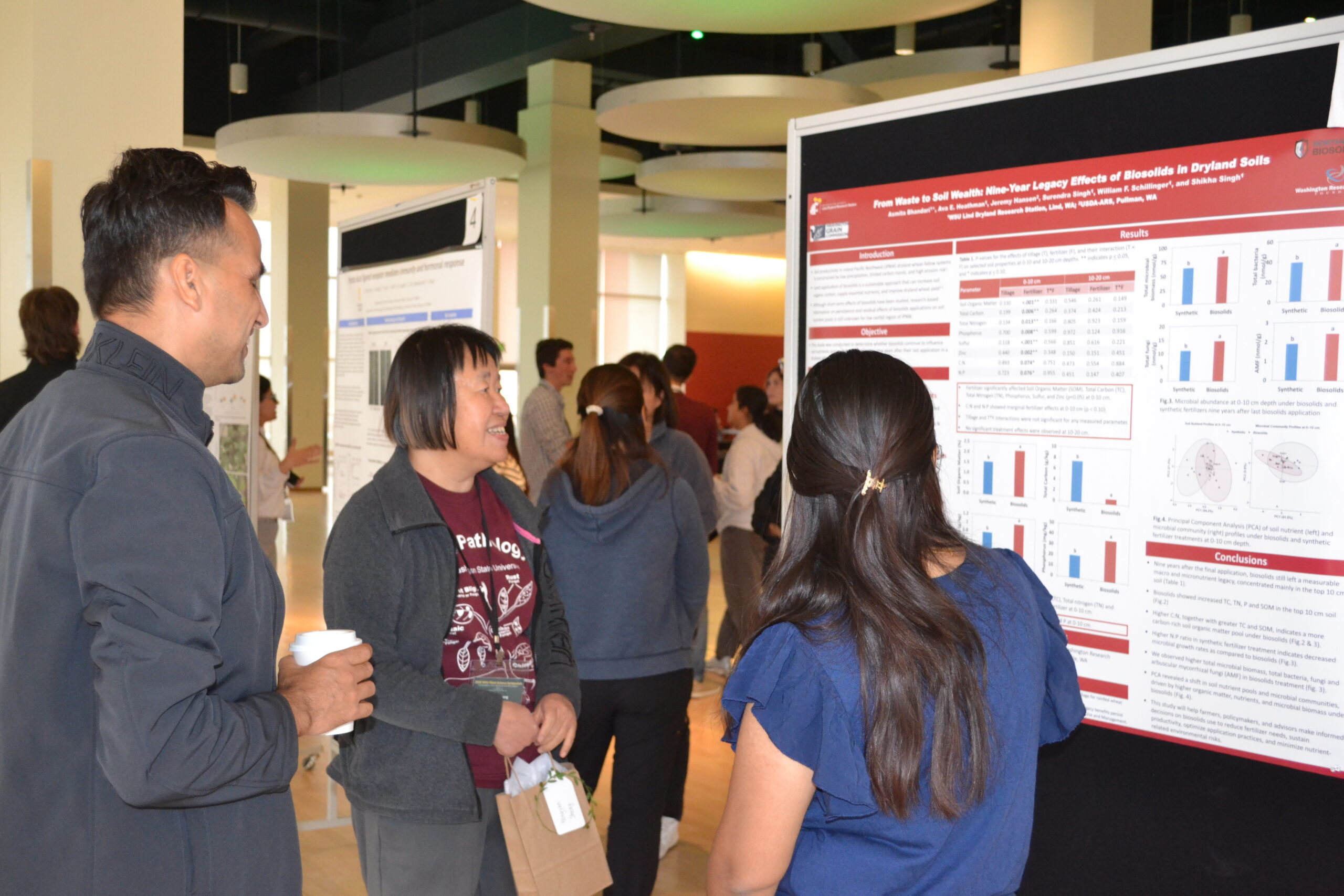
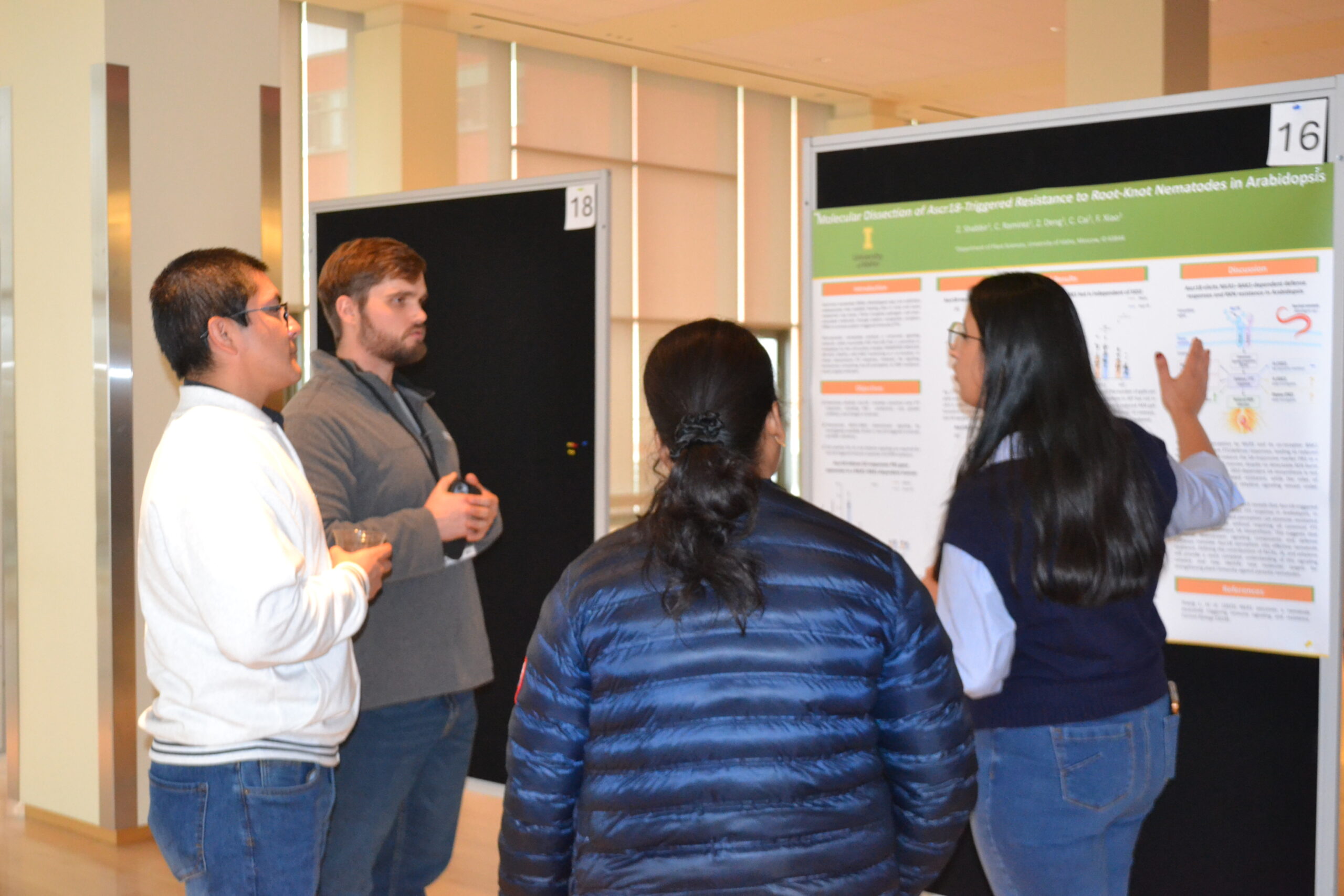
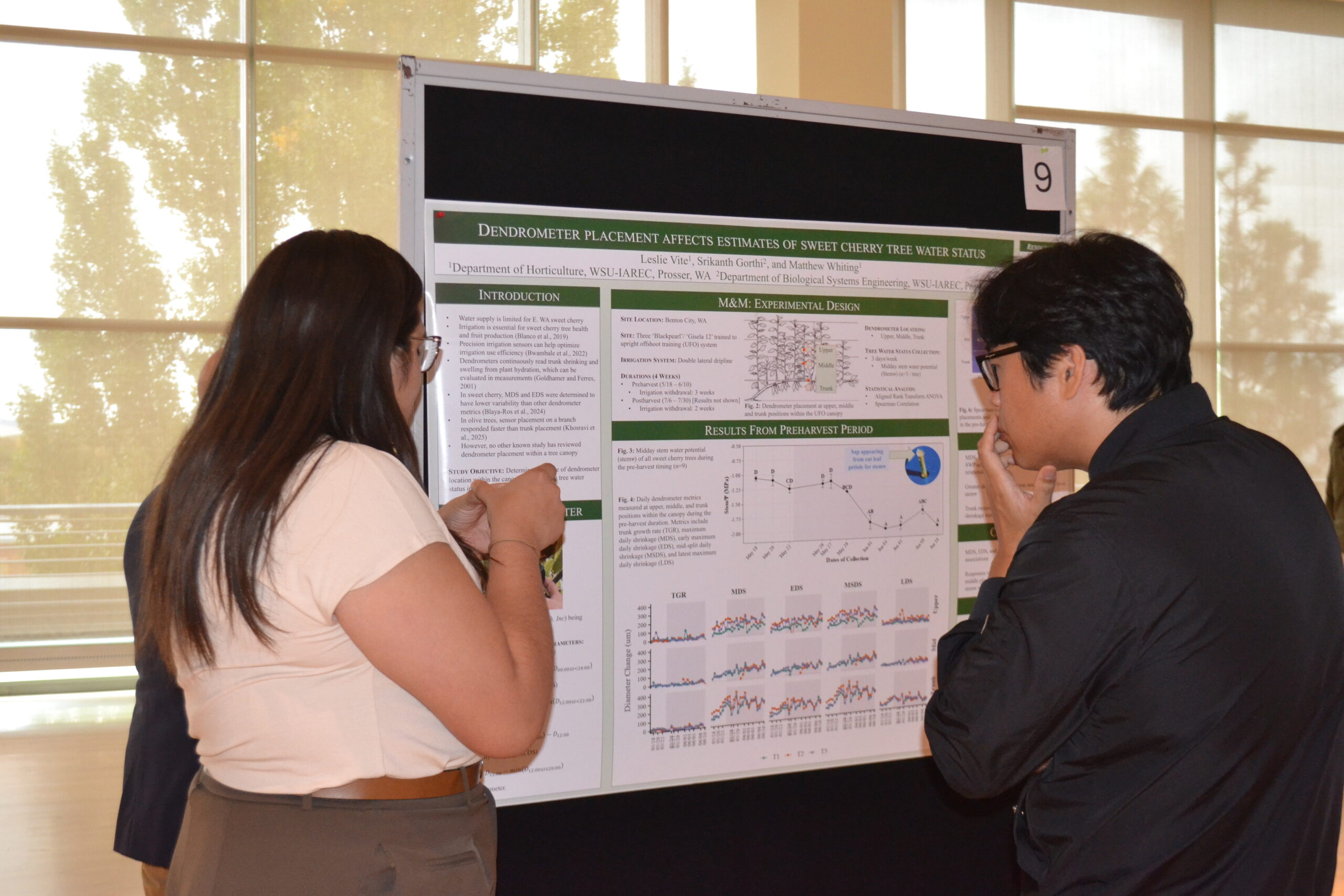
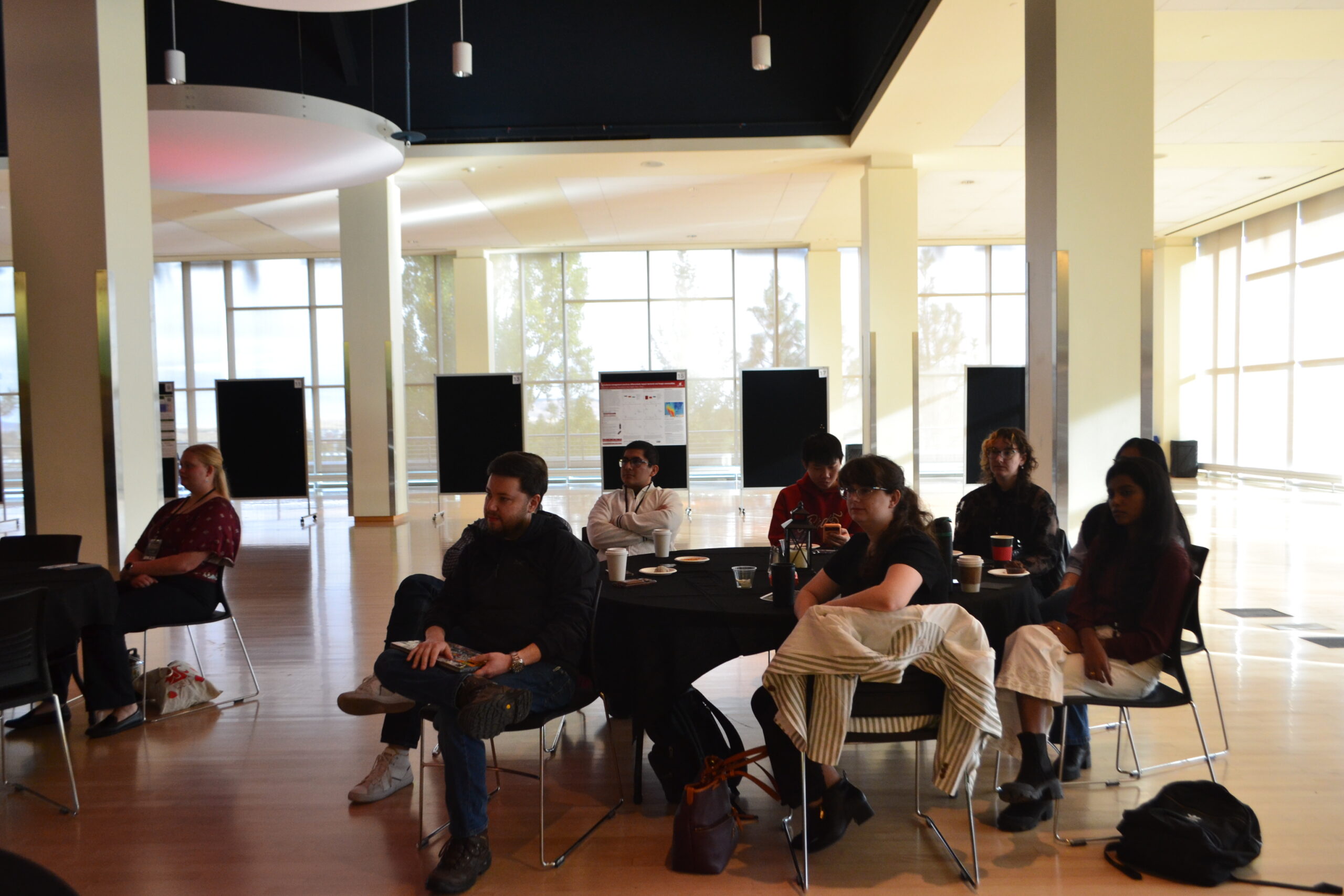
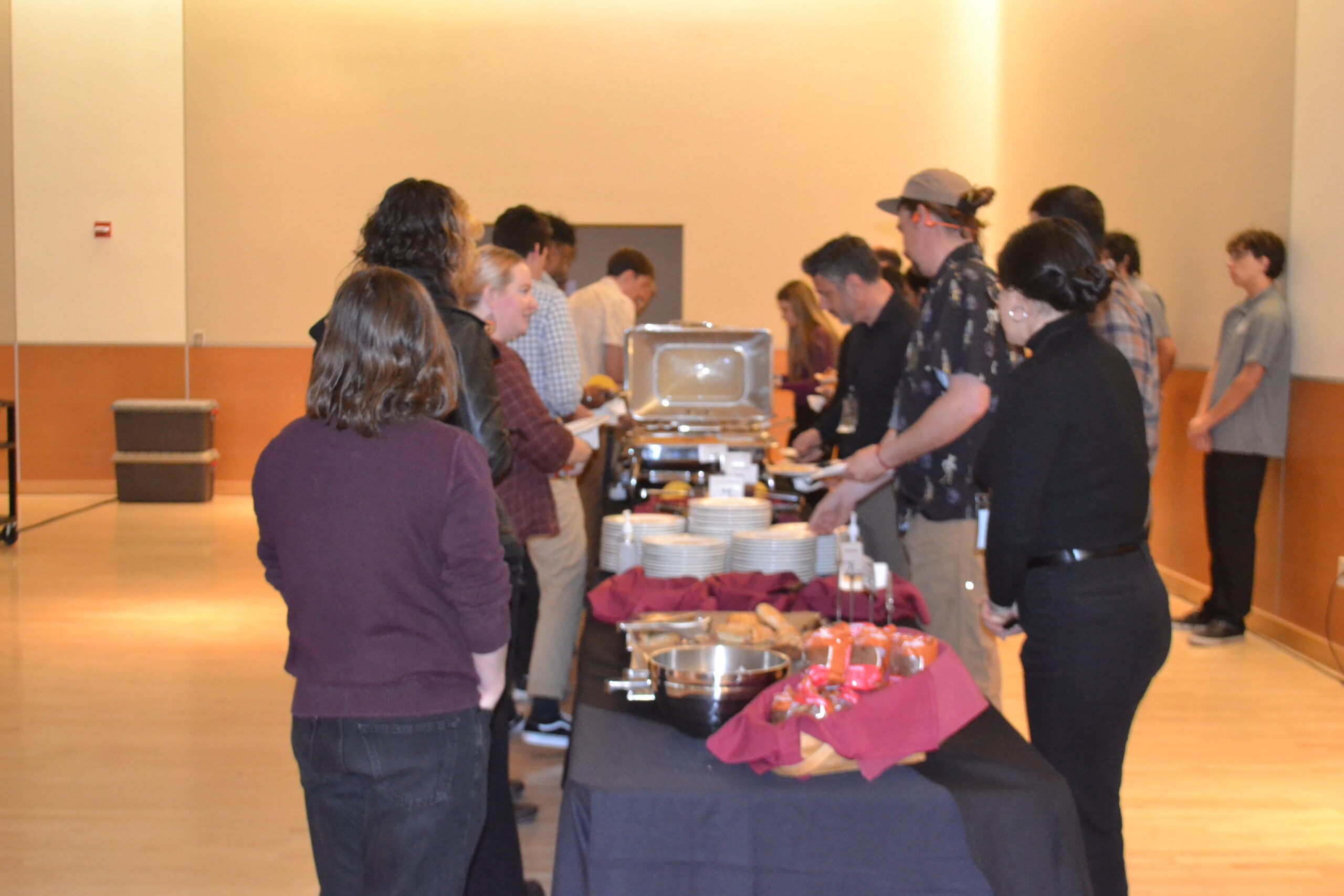
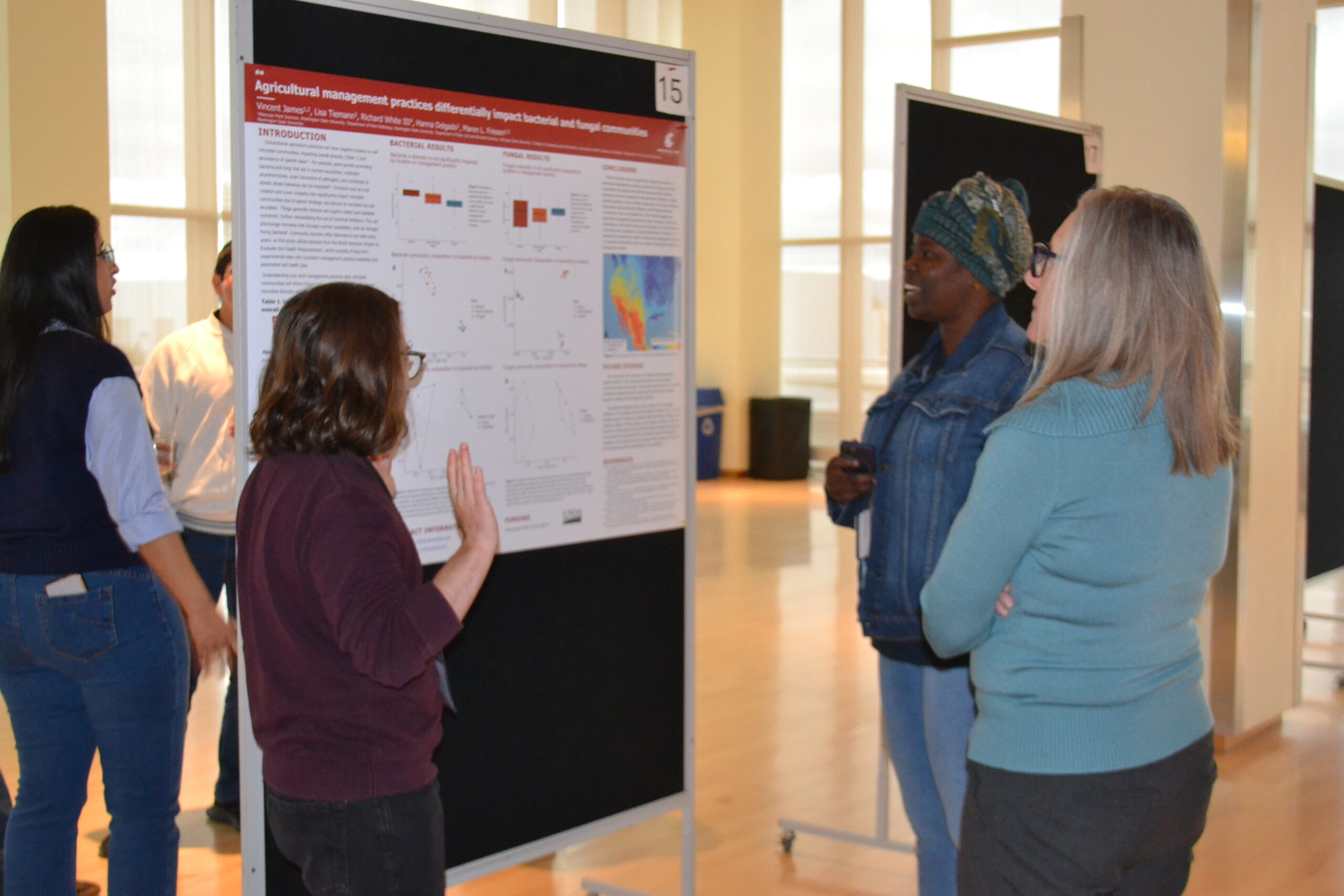
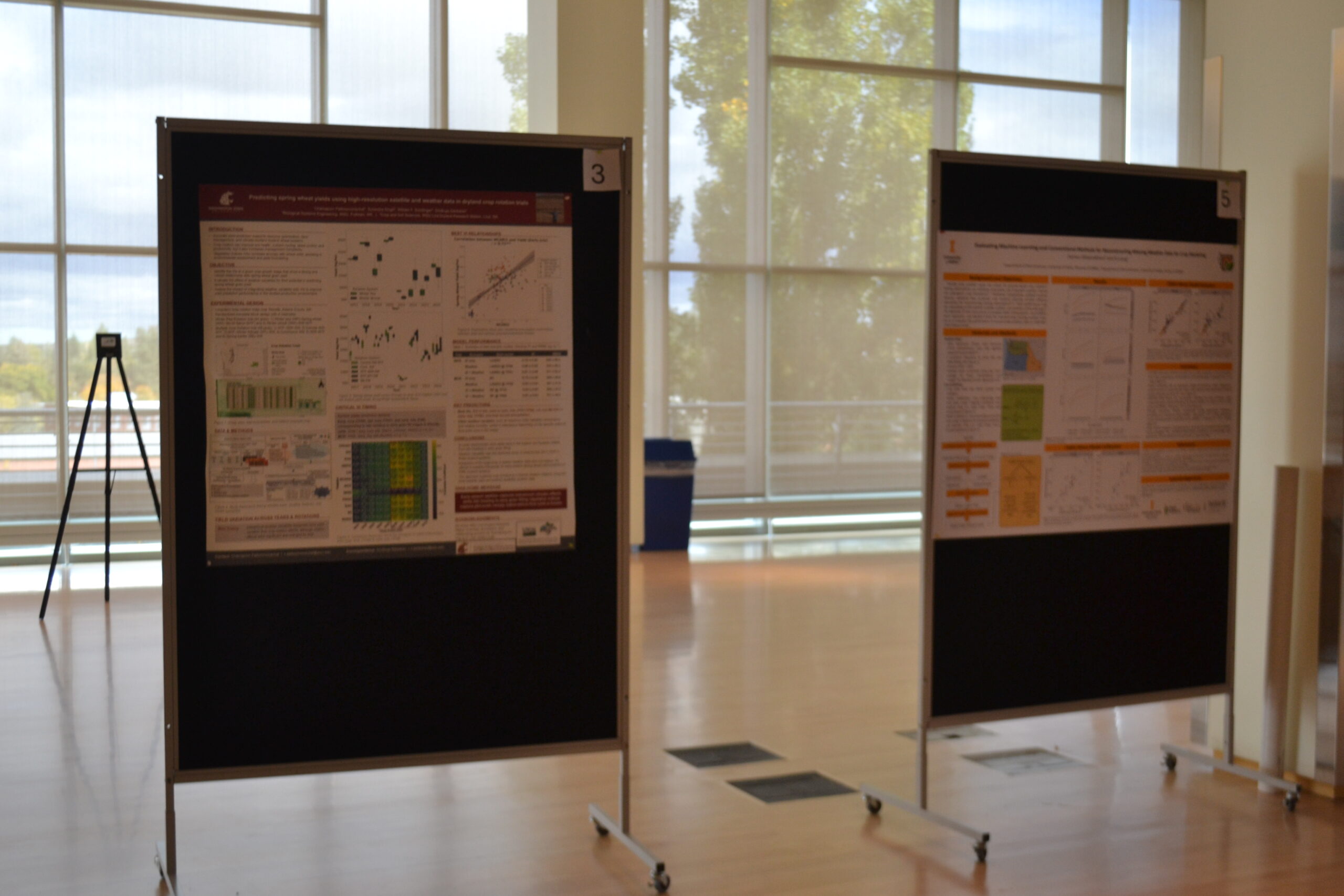
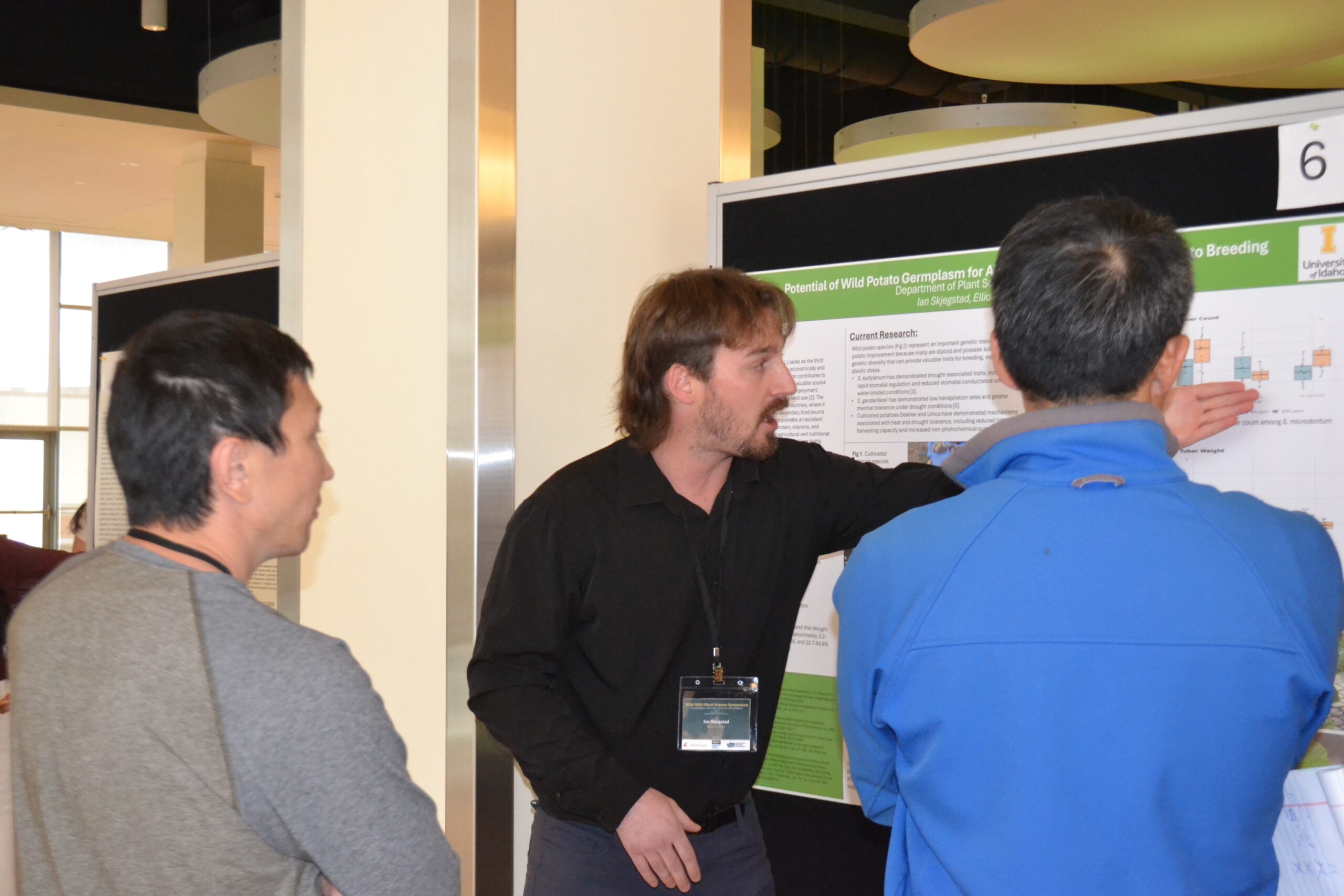
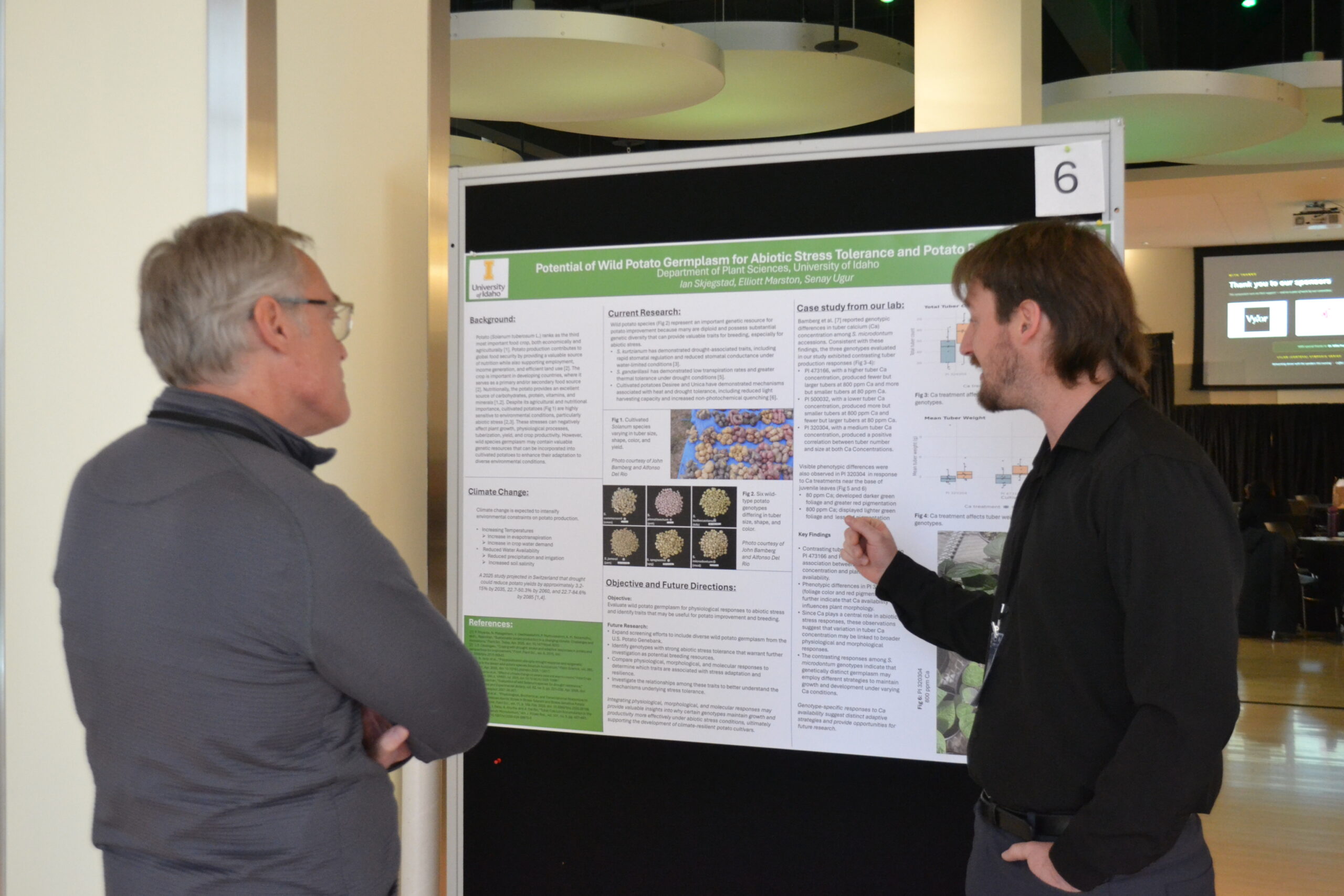
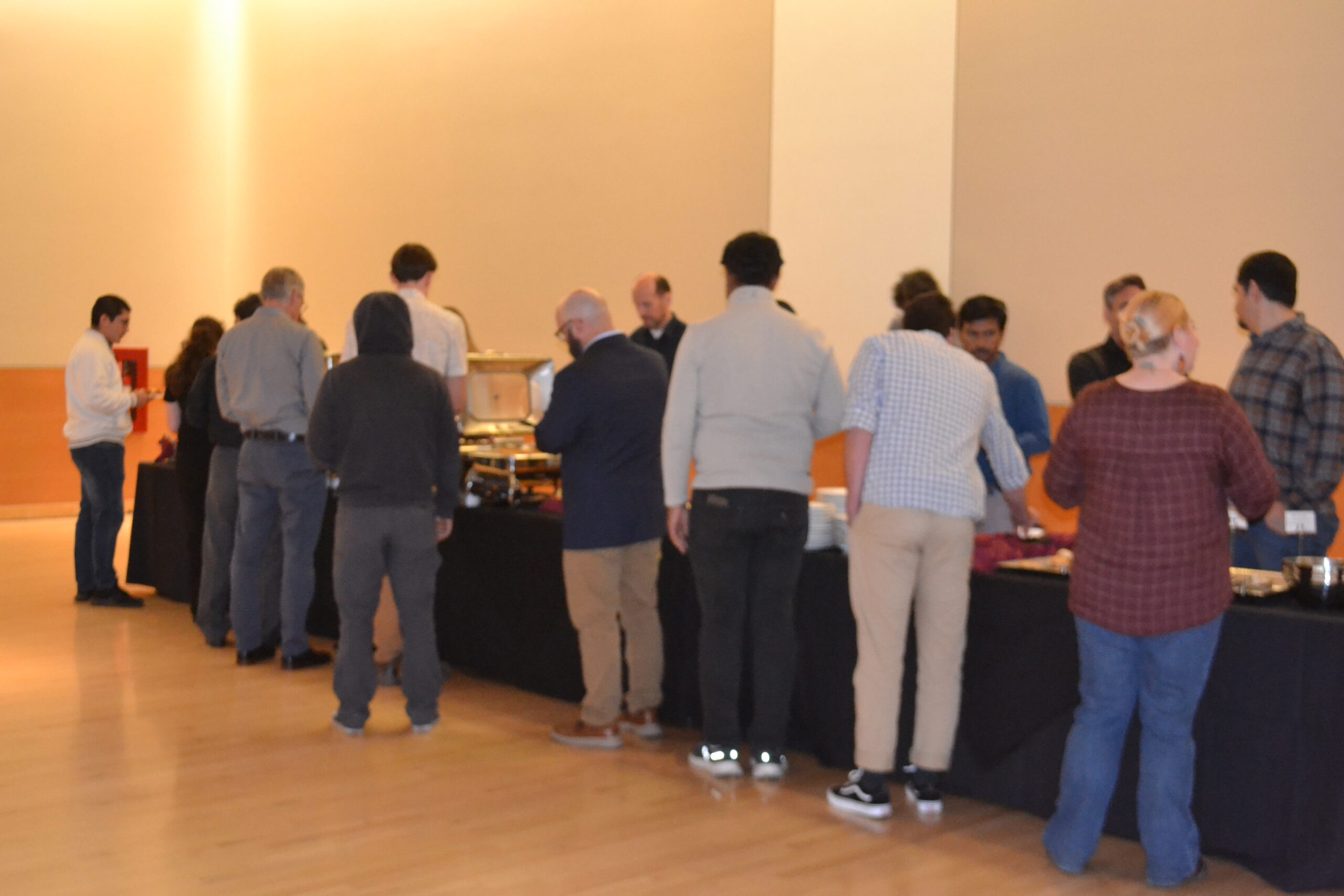
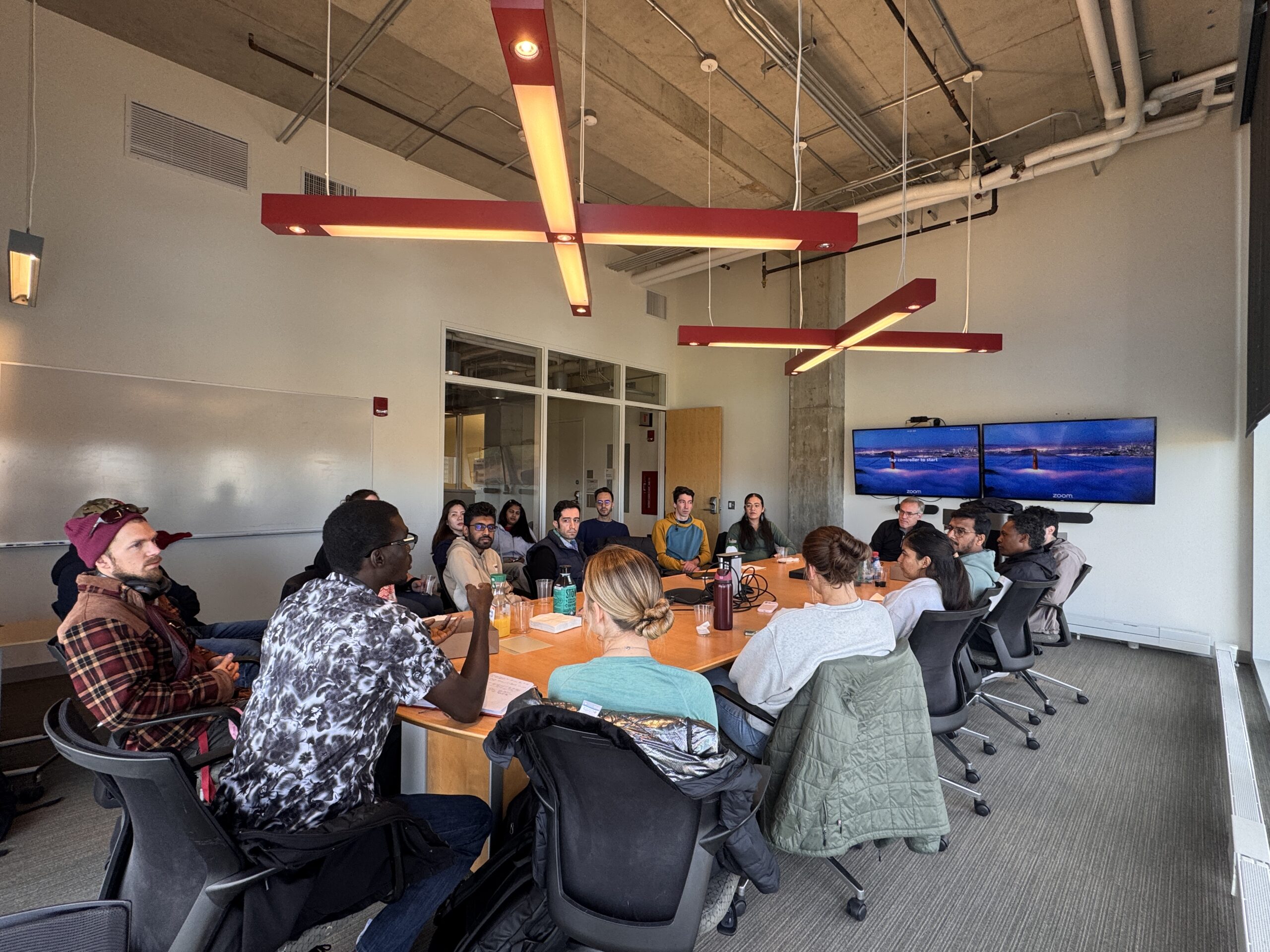
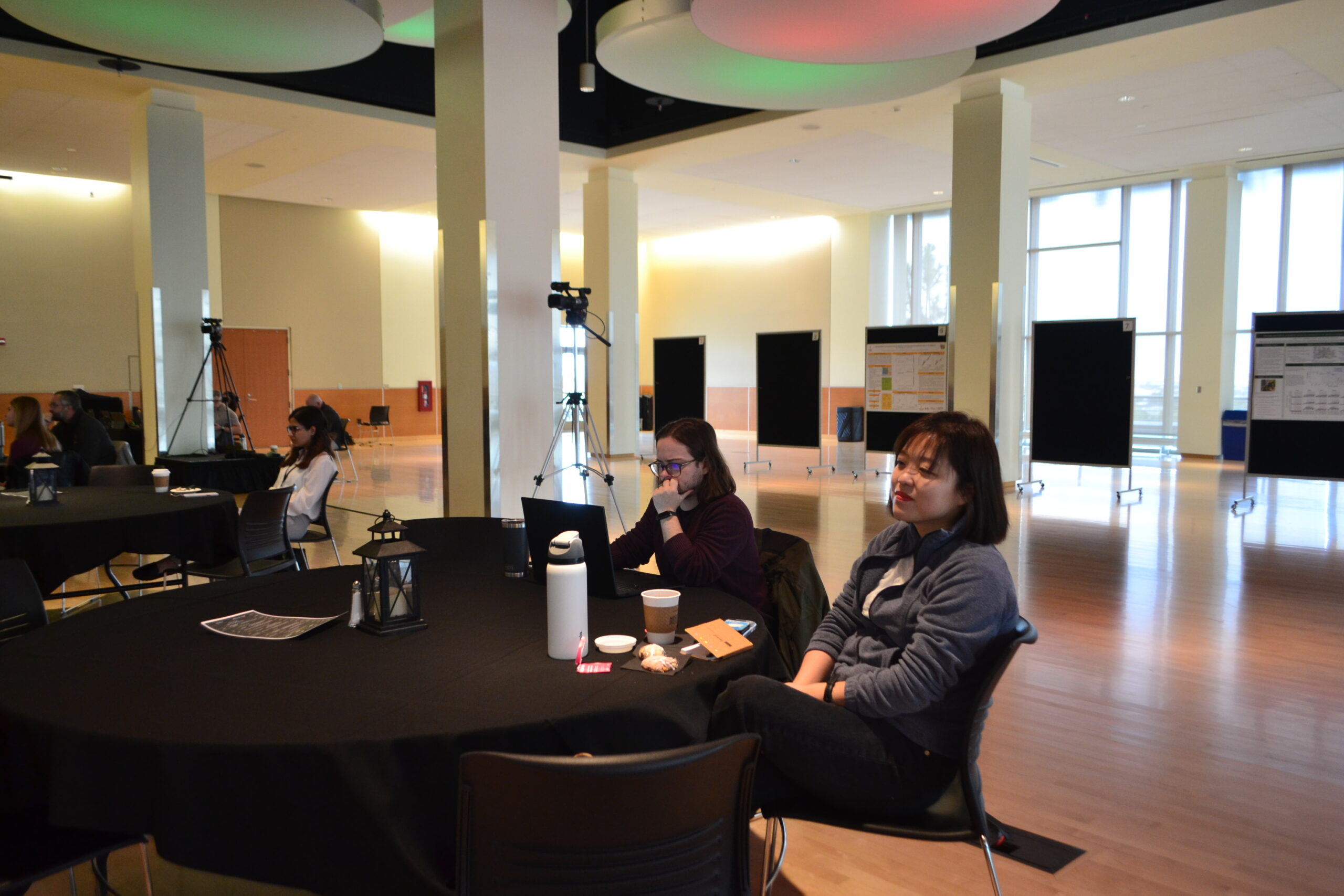
2026 Gallery
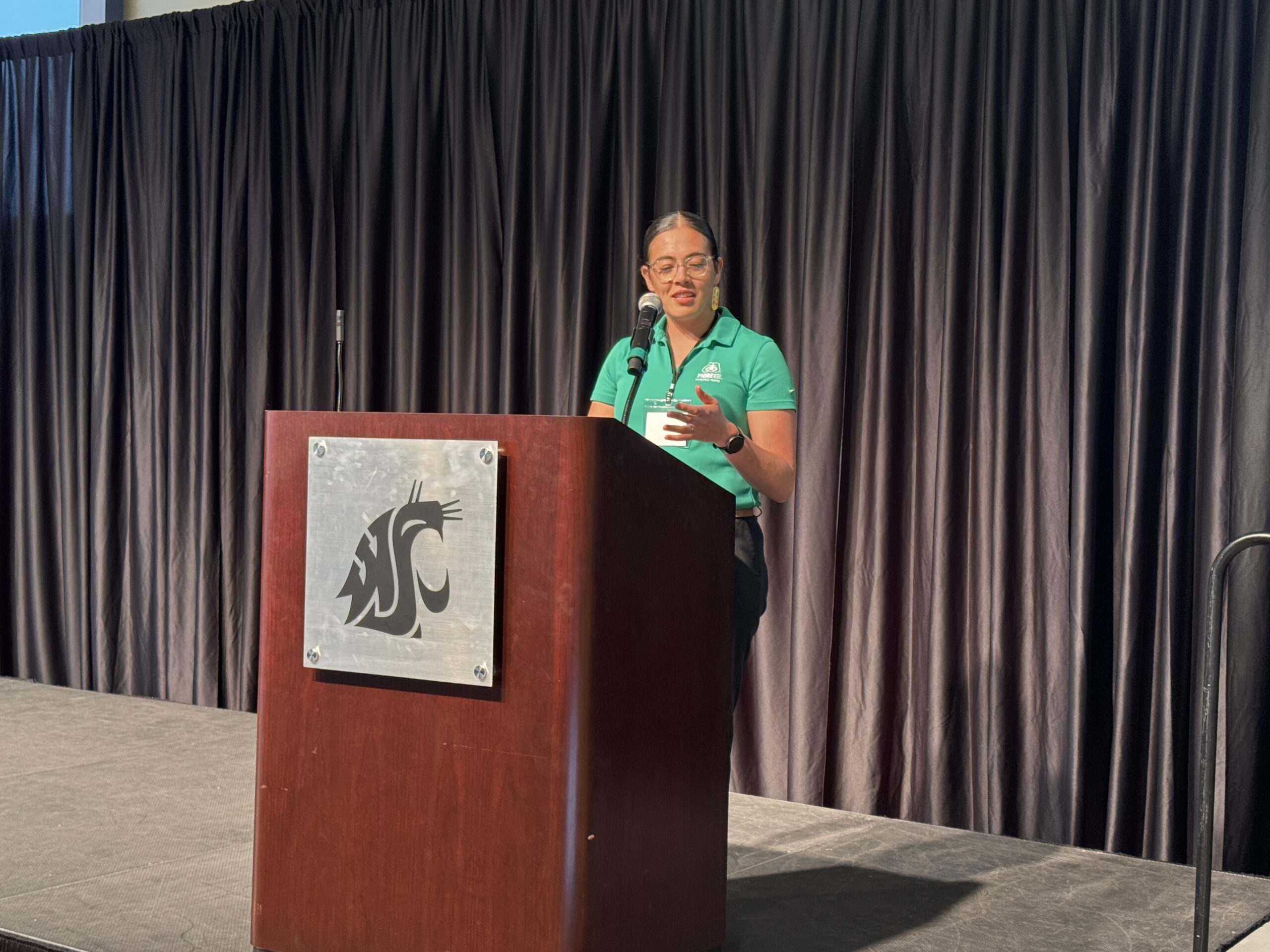
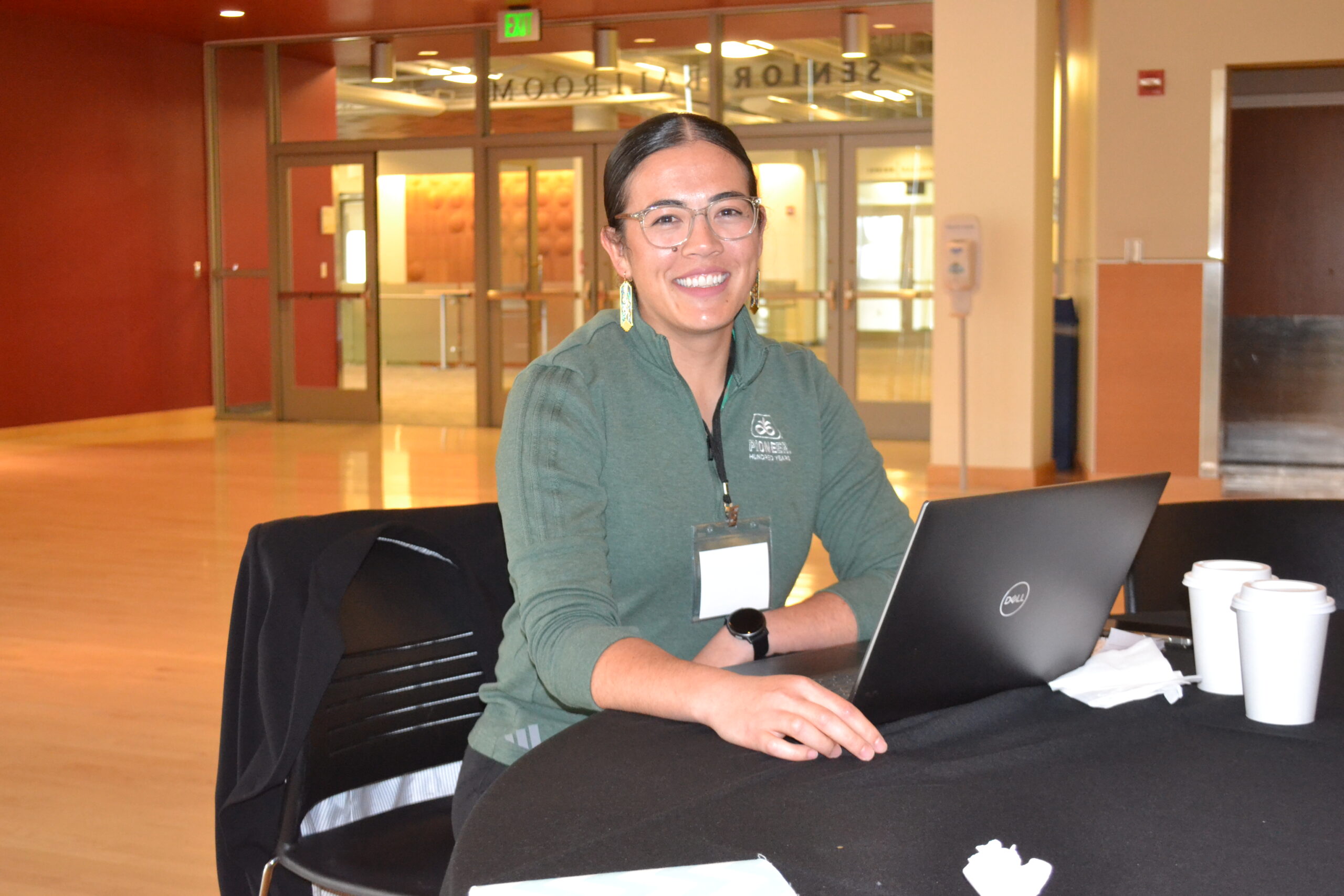
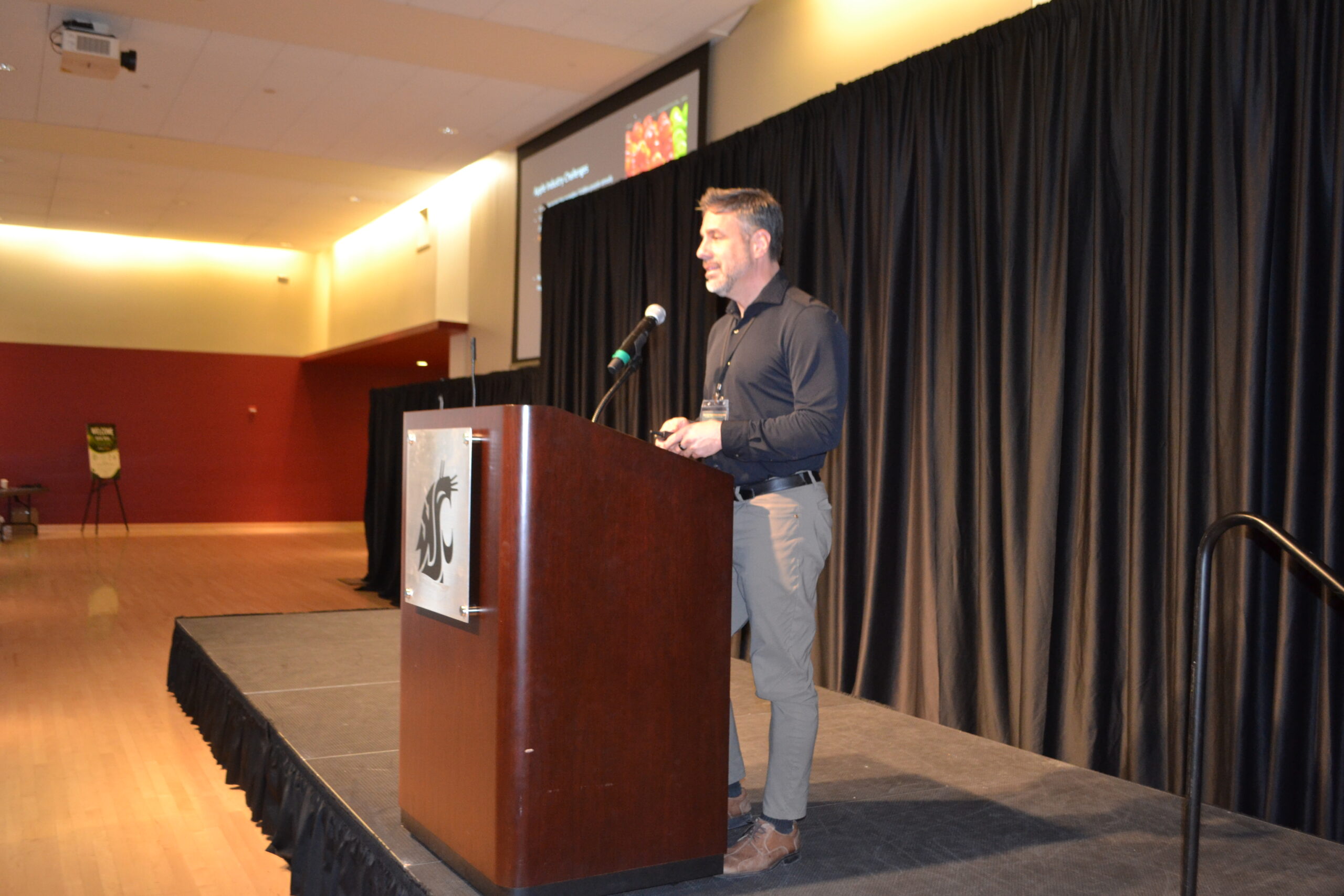
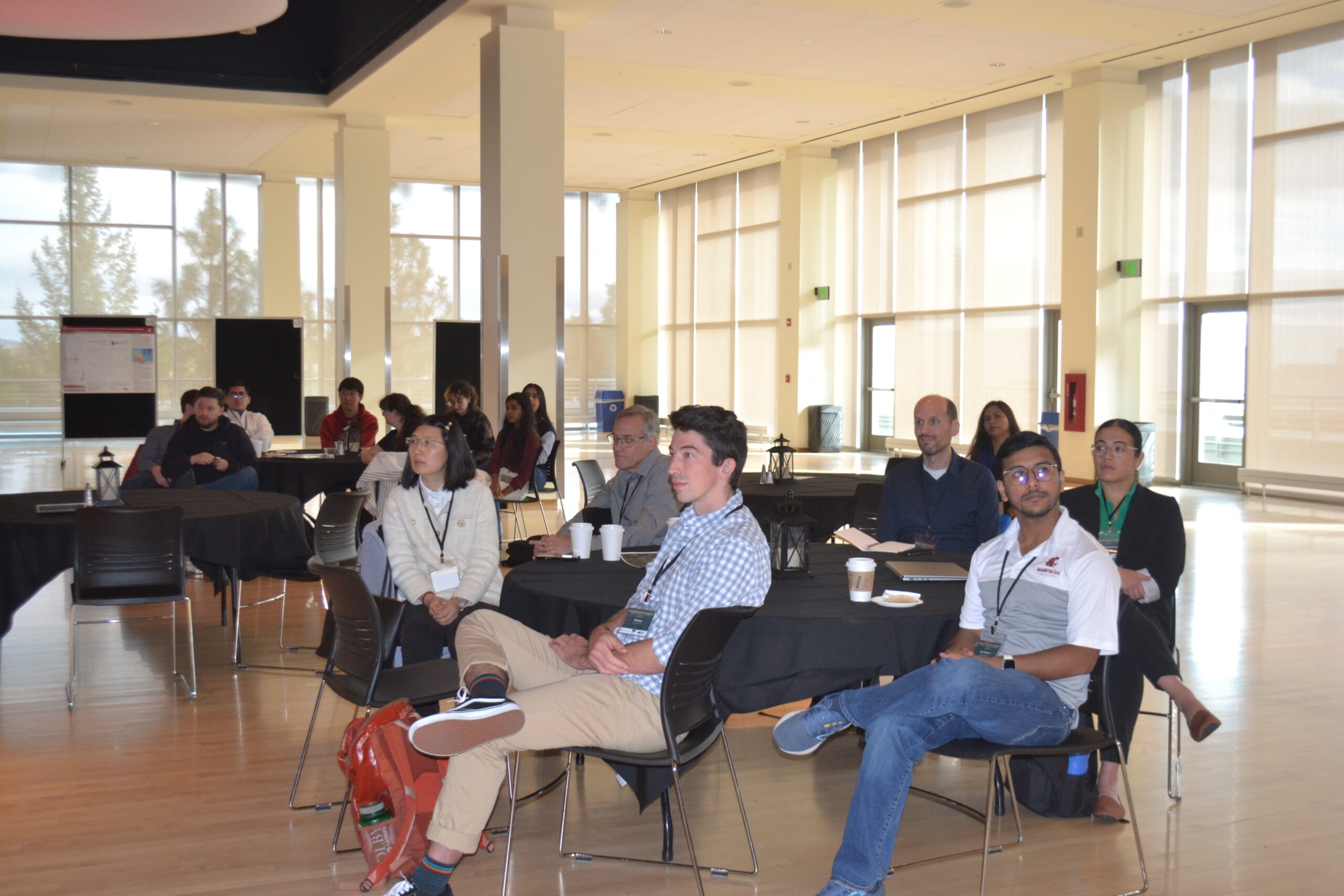
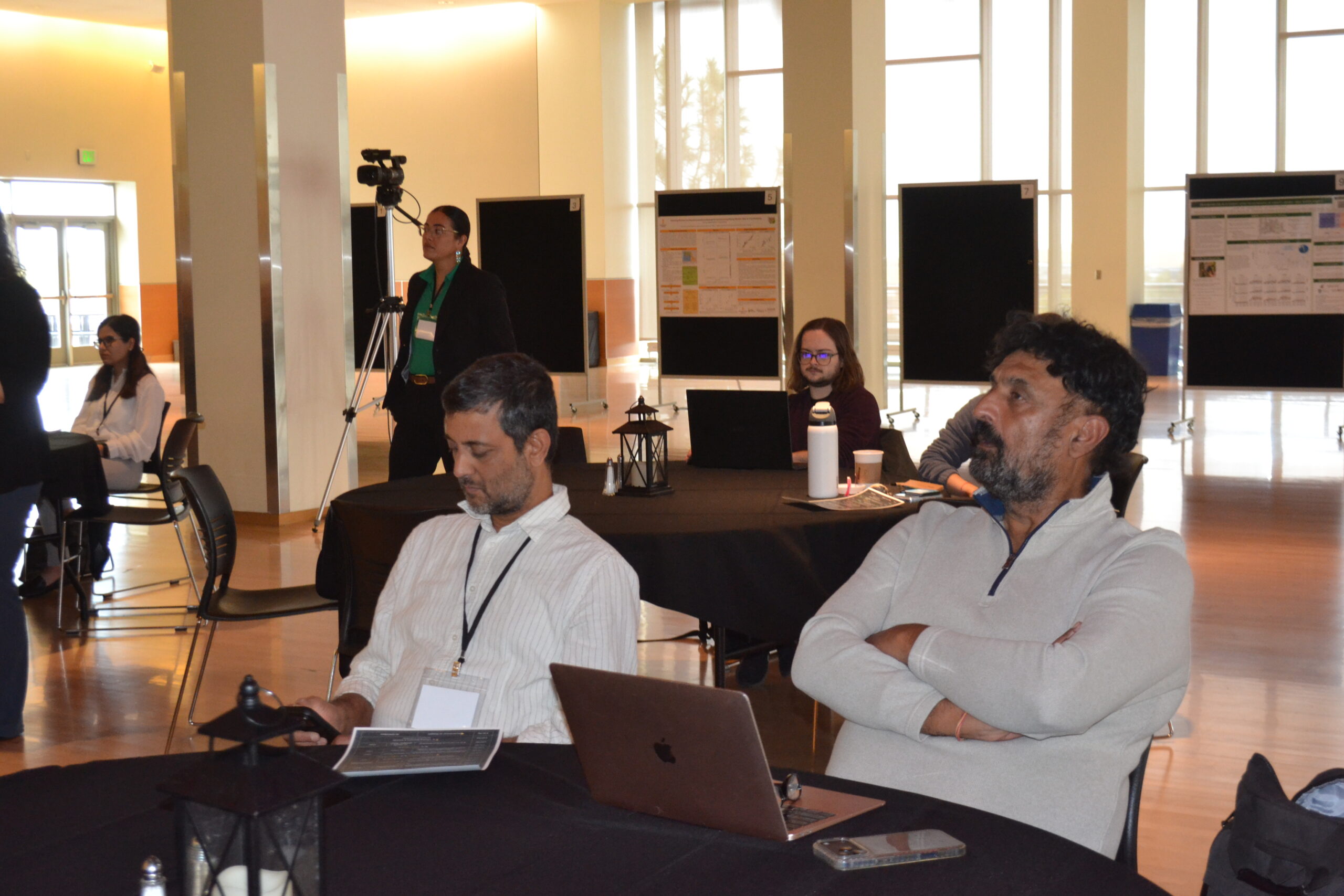
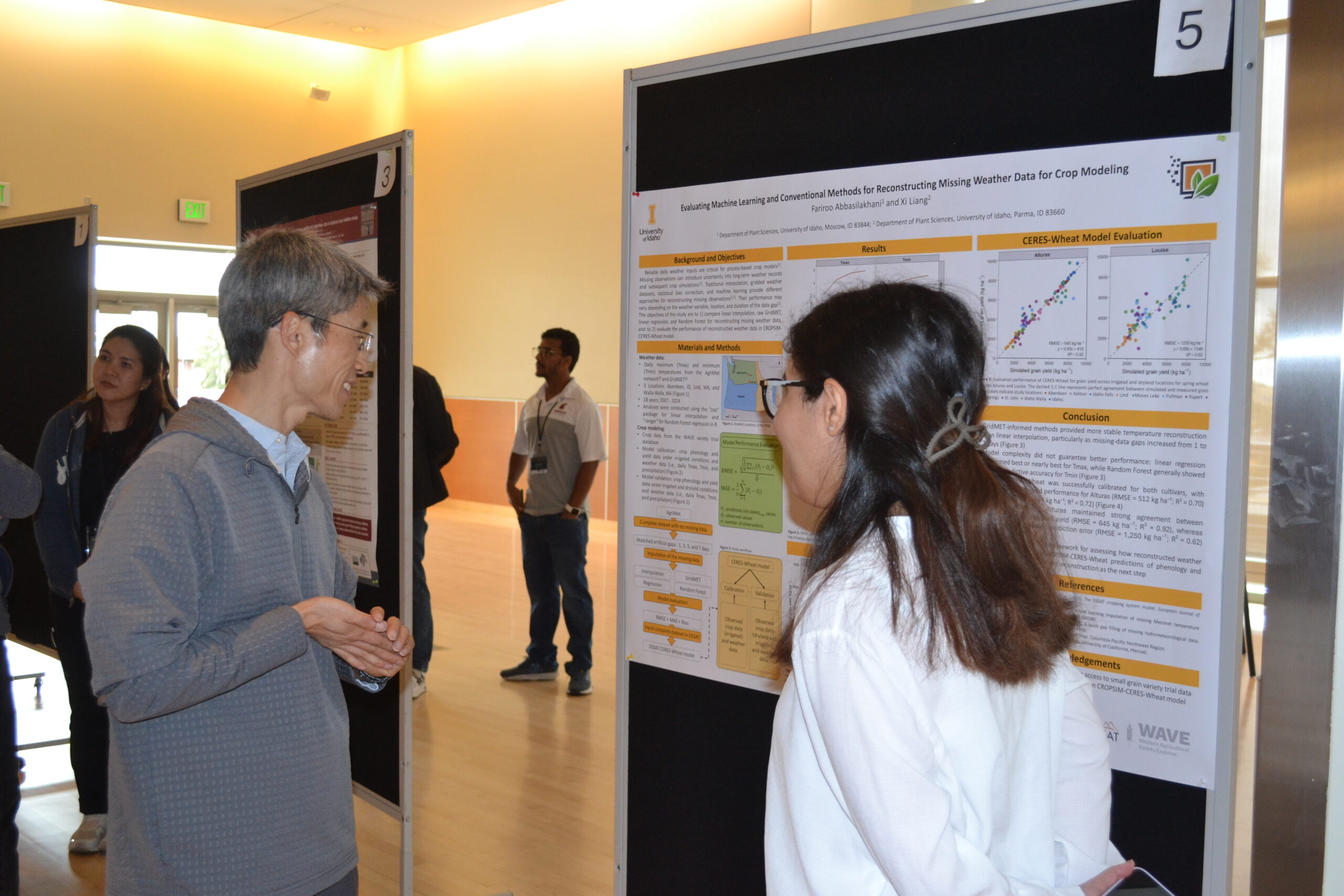
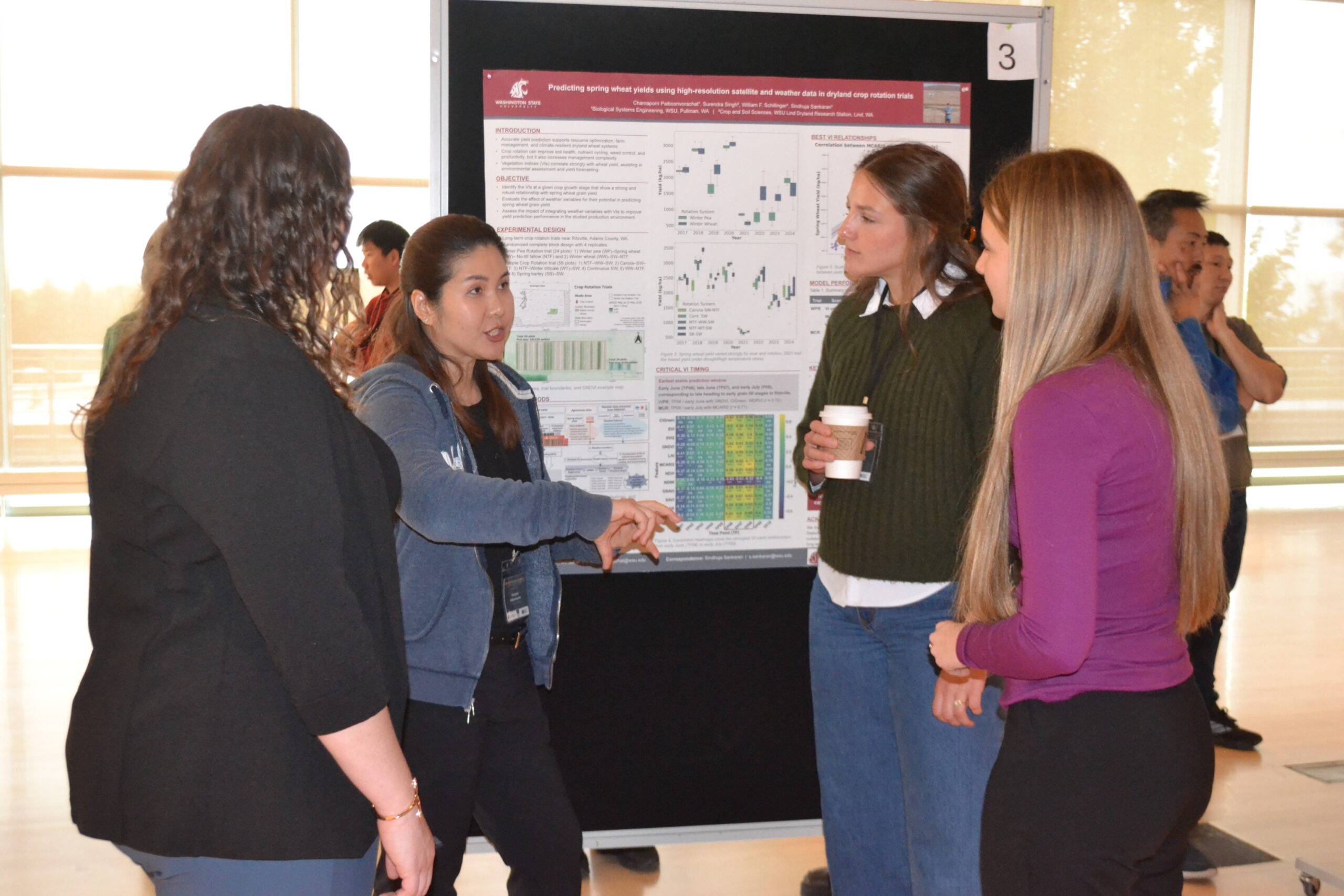
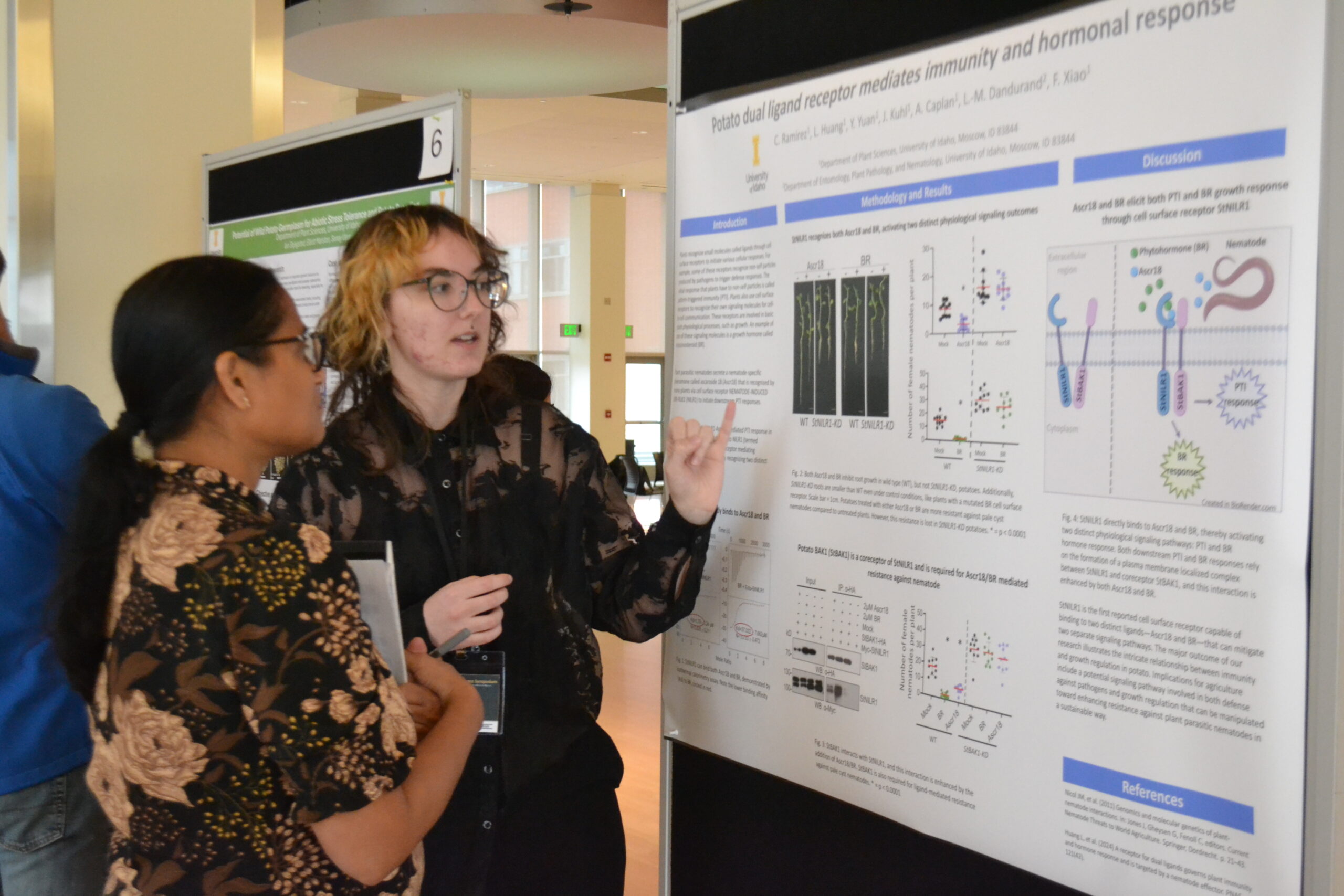
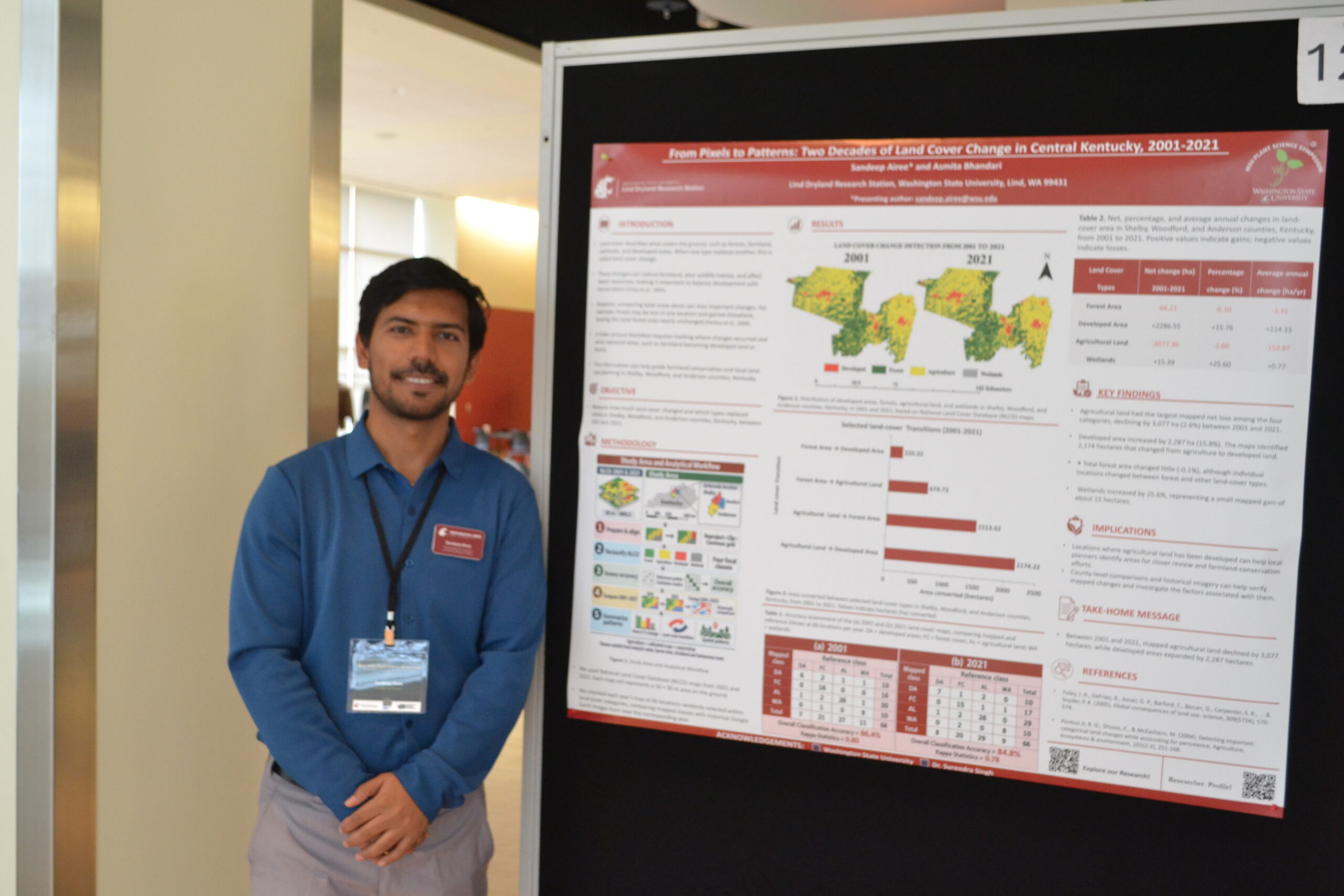
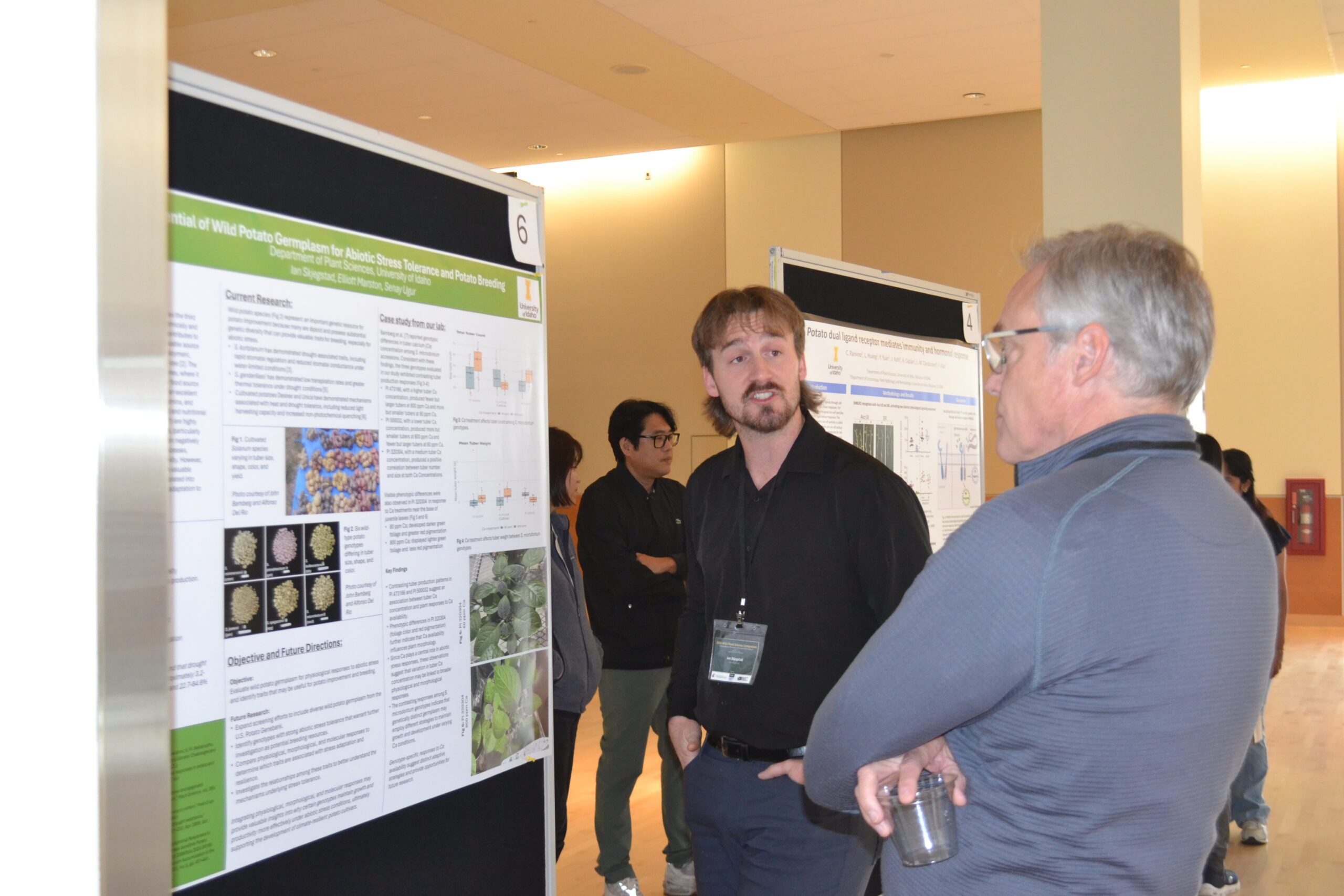
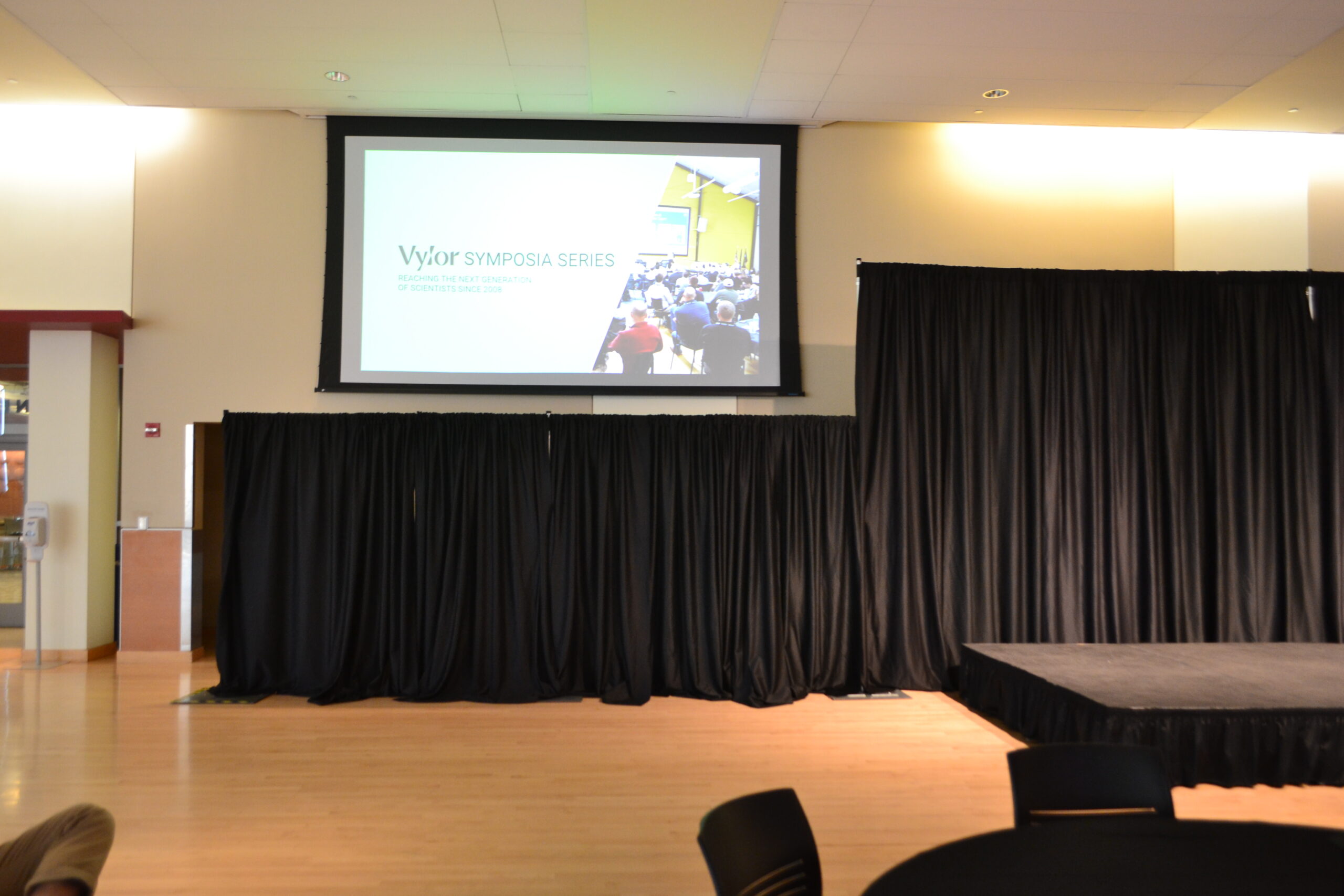
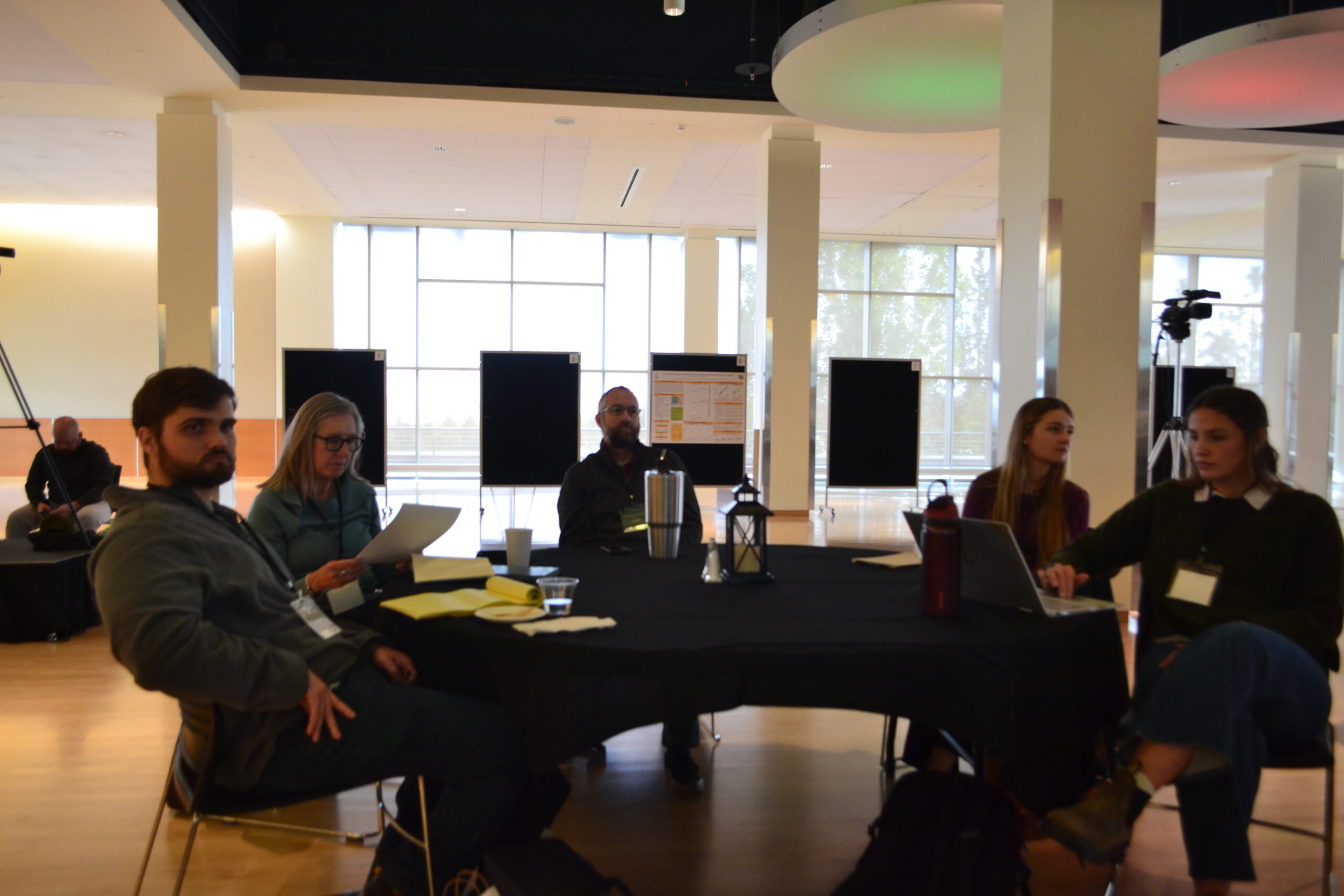
2025: Advancing Agriculture: Integrating Science, Technology, and Sustainability
Exploring new agricultural technology and focusing on strategies to deal with challenges in crop production in a given environment.
2025 Poster Presentation Winners
- First place: Tana Arlynn
- Second place: Nataniel Jablonski
- Third place: Jeremy Boutin
- Undergraduate winner: Ian Skjegstad
2025 Speakers

Ines Hanrahan

Robert Brueggeman

Juliet M. Marshall

Jian Jin
Prior to joining Purdue, Dr. Jin conducted research at DuPont Pioneer (now Corteva), where he was most recently a Technology Leader working on crop phenotyping and led a team for the company’s new controlled environment phenotyping systems for automated plant screening.
Dr. Jin’s major research interest at Purdue is to develop the next generation plant sensor technologies, along with machine vision, image processing, and data modeling.
2025 Organizers
Melinda Zubrod
Adele Jamalzei
Marita White

Chamaporn Paiboonvorachat

Martin Churuvija

Olufunke Ayegbidun
Gagandeep Kaur
2025 Gallery


2024: Plant Science Symposium
Challenges in Crop Production Across Diverse Environments
2024 Speakers
Ksenija Gasic
Jacob Blauer
Lee DeHaan
Micheal Neff
Cristiano Lemes
2024 Student Speakers
Marie Dorval
Thapa Sahil
Akshdeep Kamboj
Elliot Marston
2024 Organizers

Andrew Herr
Melinda Zubrod

Peter Schmucker
Marita White
Adele Jamalzei
Aisha
Faishal
Matthew Brook
2024 Gallery


2021: Plant Science Symposium
2021 Poster Presentation Winners
- First Place: Lauren Braley
- Second Place: Bailey Hallwachs
- Third Place: Sandra Gomez
- Fourth Place: Abhilash Chandel
- Fifth Place: Bixia Zhang
- Popular Choice: Ammar Elakhdar
- Honorable Mention: Wenzhuo Wu
2021 Speakers
Morgan Halane
Satyanarayana Tatineni
Sarathi Weraduwage
2021 Student Speakers
Kathleen Hickey
Erica Biasuz
2019: Foundations for the Future: Embracing New Agricultural Technology
Feeding the future depends on innovation in agriculture, including new technology, diverse crops, and improvement to classic methods.
2019 Speakers
Joyce Van Eck
Topic: Fast-tracking Improvement of Groundcherry and Goldenberry by CRISPR: Ripening the Potential of Underutilized Fruit Crops
Sayed Azam-Ali
Topic: Forgotten Foods to Feed the Future
Argelia Lorence
Topic: Harnessing the Power of -omic Approaches to Better Understand the Role of the Inositol Pathway to Ascorbate in Confering Plants Enhanced Growth and Resilience to Abiotic Stresses
Lav Khot
Topic: Transitioning to Smart Agriculture: Technology Landscape
Amanda Cavanagh
Topic: Engineering an Alternative Photorespiration Pathway to Improve Photosynthesis and Crop Yield
Rosana Serikawa
Topic: Product Development – From Discovery to Orphan Crops Registrations
2019 Student Speakers
Niall Miller
Topic: The Effects of Domestication on the Legume-Rhizobia Mutualism
Anil Adhikari
Topic: Hybrid wheat: a promising technology for feeding the future
Holly Lane
Topic: Correlating Near-Infrared Spectra of Kernels to Grain Yield in Maize
2019 Gallery


2018: Diversity in Agriculture
Diversity is inherent to plant breeding, not only in the germplasm and environments we study, but also regarding the people, techniques, and ideas.
Symposium recording can be found in: Symposium Recording
2018 Speakers
Paul Christou
Topic: Thirty five years of plant biotechnology: Personal reflections and the importance of diversity
Linda MacKechnie
Topic: Terraces and Islands: Career Migration in Plant Biology
Debora Menicos
Topic: Increasing diversity is the main key to improvement for plants breeding and for professional development
Nilsa Bosque-Perez
Topic: Utilizing crop diversity to enhance resistance to insect pests
Teresa Capell
Topic: Corn domestication: diversity and artistic creativity for science communication
Elizabeth Lee
Topic: Diversity-Variation-Change: Lessons that we can learn from plant breeding
Renee Lafitte
2018 Gallery


2017: Pioneering Ideas in Agriculture
A unique focus on entrepreneurial endeavors with innovative approaches to agriculture.
2017 Speakers
Amit Dhingra
Topic: Does graduate school produce innovative thinkers?
Patrick Schnable
Topic: Entrepreneurship and Academia: Three case Studies
Roger Muren
Topic: Innovation in the private seed industry
Jason Cavotorta
Topic: Challenges & Opportunities in Agricultural Start-ups
Nicholas Staropoli
Topic: Genetic Literacy Project and its role in achieving public scientific literacy related to agricultural biotechnology
Matt King
Topic: From satellites to sequencing: driving precision agriculture through collaborations and innovation
2017 Gallery


